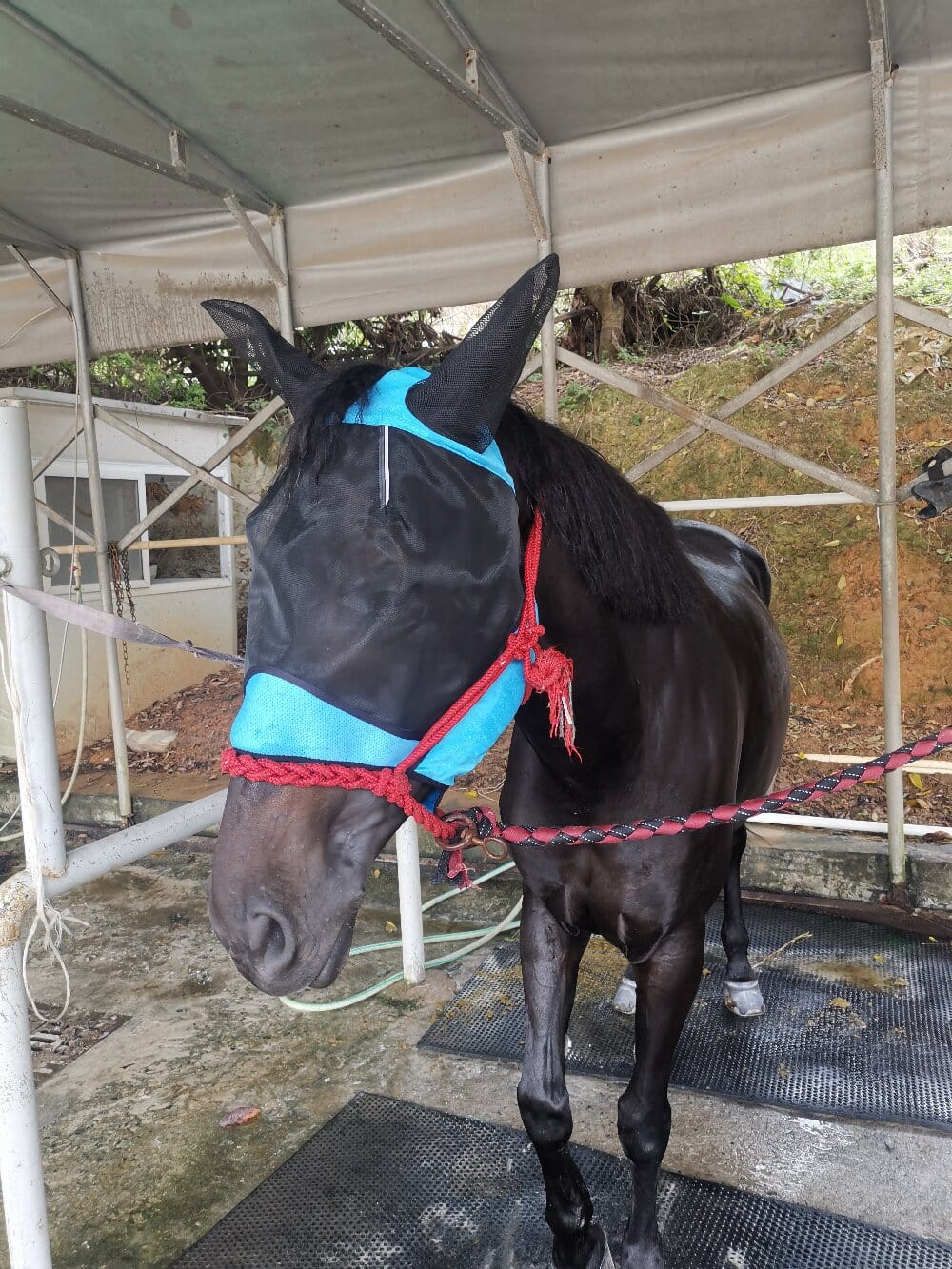
I have spent the last three summers testing fly protection on my two horses, and the humble horse fly mask has become the piece of gear I scrutinize the most. What began as a simple purchase has turned into a side-by-side experiment across brands, materials, and designs, and I want to share what I have learned so you can choose more confidently than I did the first time around.
Flies are not just a nuisance. They cause eye irritation, spread infections, and can trigger head-shaking and stress that affect training and rest. A good fly mask for horses acts as a physical barrier, reducing exposure without restricting vision or rubbing the face. In my comparison, the difference between a cheap mask and a well-designed one showed up within days: the cheap ones fogged up, slipped, or frayed, while the better masks stayed put through turnout, riding, and rain.
Comparing Materials: Mesh Density and Durability
I compared three material types side by side: standard nylon mesh, fine bug mesh, and reinforced woven fabric. The fine mesh blocked the smallest gnats far better than standard mesh, which let tiny insects through. Reinforced fabric lasted longest but ran warmer in midday heat. My takeaway is that mesh density should match your local pest pressure, and durability matters most if your horse is turned out on rough pasture. Stitching quality separated the winners from the losers more than fabric type alone.
Fit and Coverage: Where Most Masks Fall Short
Fit was the single biggest differentiator in my comparison. Masks with adjustable touch-and-close straps around the muzzle and poll stayed in place, while elastic-only designs crept up or twisted. I also compared ear coverage versus no ears, and full-face styles versus standard eye coverage. Earless masks suited horses that dislike ear pressure, but they left the ears exposed to biting flies. Extended nose coverage helped horses with sensitive muzzles, yet it needed to clear the bit and nostrils properly.
- Adjustable straps outperformed fixed elastic in every test.
- Darted eye areas reduced rubbing and improved comfort.
- Removable ears offered flexibility across seasons.
- Fleece edging minimized chafing on thin-skinned faces.
Horse Fly Mask vs. Fly Sheets and Sprays
No single product solves everything, so I compared masks against fly sheets, leg wraps, and sprays. Sprays gave short-term relief but needed constant reapplication. Fly sheets protected the body but not the face. The mask proved the most consistent defense for the head, especially during peak fly hours. Used together with a sheet and a good repellent, the mask filled the gap that other gear simply could not cover.
Visibility, Breathability, and Comfort Compared
I worried that dark mesh would limit vision, but in practice, well-made masks with light-colored mesh kept horses calmer. Breathability varied widely: some masks trapped heat, while ventilated designs stayed cooler. I also compared UV-blocking options, which helped horses with photosensitivity. Comfort came down to details like soft binding, flat seams, and a shape that follows the head rather than pulling at the eyes.
Care, Longevity, and Value
I tracked washing and wear across a full season. Masks with reinforced seams and quality hook-and-loop closures survived repeated washing without stretching. Cheaper options lost shape and elasticity quickly, which made them false economy. Hand washing in cool water and air drying extended the life of every mask I tested, and having a spare on hand meant I never had to choose between a dirty mask and no protection.
Conclusion
After comparing materials, fit, coverage, and durability, I am convinced the best horse fly mask is the one that fits your horse’s head shape, matches your local fly pressure, and holds up to washing. Prioritize adjustable straps, fine mesh, and soft edging, and treat the mask as part of a broader fly-control routine. A little comparison shopping up front saves a lot of head-shaking later.