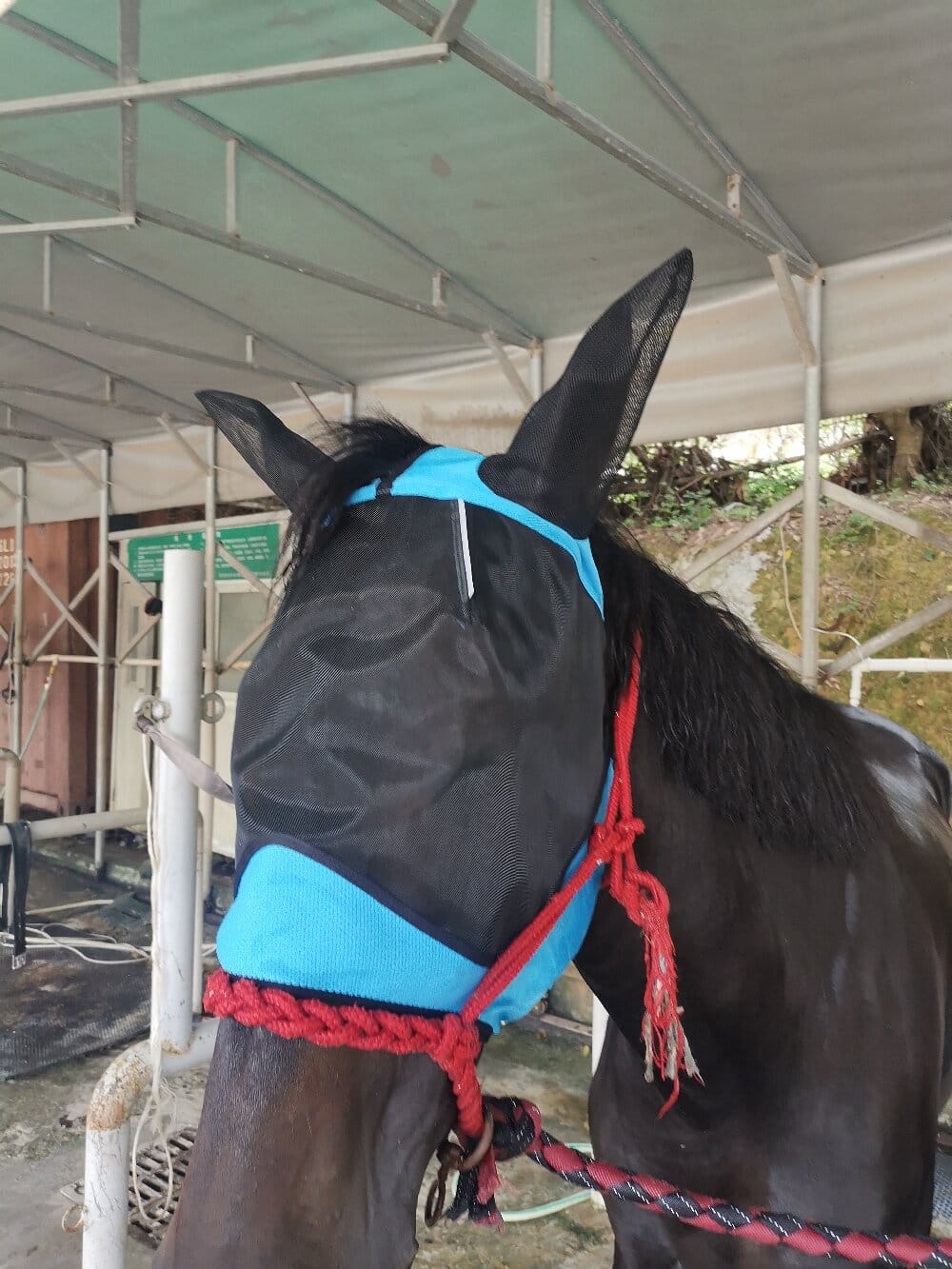
For centuries, equestrians have recognized that a horse fly mask is more than a simple accessory; it is a vital tool for safeguarding equine health. Historical records from ancient Egypt and Rome describe rudimentary face coverings made from woven reeds and leather, designed to shield working horses from biting insects. These early inventions laid the groundwork for the sophisticated protective gear used today. Understanding the evolution of the horse fly mask reveals not only changing materials and designs but also a enduring human commitment to animal welfare.
Medieval and Renaissance Developments in Fly Protection
During the Middle Ages, horses were indispensable for agriculture, warfare, and transport. Medieval farriers and stable masters began sewing crude masks from coarse linen and hemp. These coverings, often soaked in herbal repellents like pennyroyal or wormwood, offered limited but meaningful relief from gnats and flies. By the Renaissance, European craftsmen introduced shaped leather masks with perforated eye areas, allowing horses to see while still blocking insects. This period marked a shift from ad hoc wraps to purpose-built equine face protection, a precursor to the modern horse fly mask.
The Industrial Revolution and Material Innovation
The 19th century brought mass production and new textiles. Cotton mesh, wire gauze, and early synthetic fibers replaced heavy leather and linen. Veterinary journals from the 1890s document fly masks with adjustable straps and ear covers, reflecting a growing scientific interest in equine comfort. Railroads and urbanization increased horse populations in confined spaces, making fly-borne diseases like conjunctivitis and sweet itch more visible. Consequently, the horse fly mask became a standard item in stable management, no longer a luxury but a necessity.
Modern Horse Fly Mask Design: From Function to Refinement
The 20th century witnessed dramatic refinement. Mid-century manufacturers introduced UV-resistant mesh, fleece-lined edges, and ergonomic cuts that reduced rubbing. The rise of recreational riding and showing in the 1970s and 1980s spurred demand for stylish yet functional masks in various colors and sizes. By the 1990s, research into insect-borne diseases such as equine infectious anemia highlighted the preventive role of physical barriers. Today’s horse fly mask often features:
- Fine, breathable mesh that excludes even tiny biting midges
- Reinforced stitching and elastic or hook-and-loop closures for secure fit
- Extended nose and ear coverage for full facial protection
- Reflective trim for visibility in low-light conditions
These innovations reflect decades of trial, error, and veterinary feedback, transforming a simple cloth into a precision health device.
Cultural and Economic Shifts in Equine Care
Historically, fly masks were homemade or blacksmith-made. By the late 20th century, specialized equine brands emerged, creating a global market. The shift from utilitarian to consumer-driven design mirrored broader trends in animal husbandry, where owners increasingly sought products combining durability, comfort, and aesthetics. Economic studies of the equine industry show that fly mask sales spike in warm months, underscoring their seasonal importance. Moreover, educational campaigns by veterinary associations have cemented the horse fly mask as a first line of defense against summer dermatitis and eye infections.
Conclusion: A Legacy of Protection
From woven reeds to high-tech mesh, the history of the horse fly mask demonstrates how practical wisdom evolves into refined science. Each era contributed improvements—herbal repellents, leather shaping, synthetic fabrics, and ergonomic design—yet the core purpose remains unchanged: shielding horses from flying pests and the diseases they carry. Today’s equestrians inherit a legacy of care, and the humble fly mask stands as a testament to centuries of observation, innovation, and compassion for the horse.