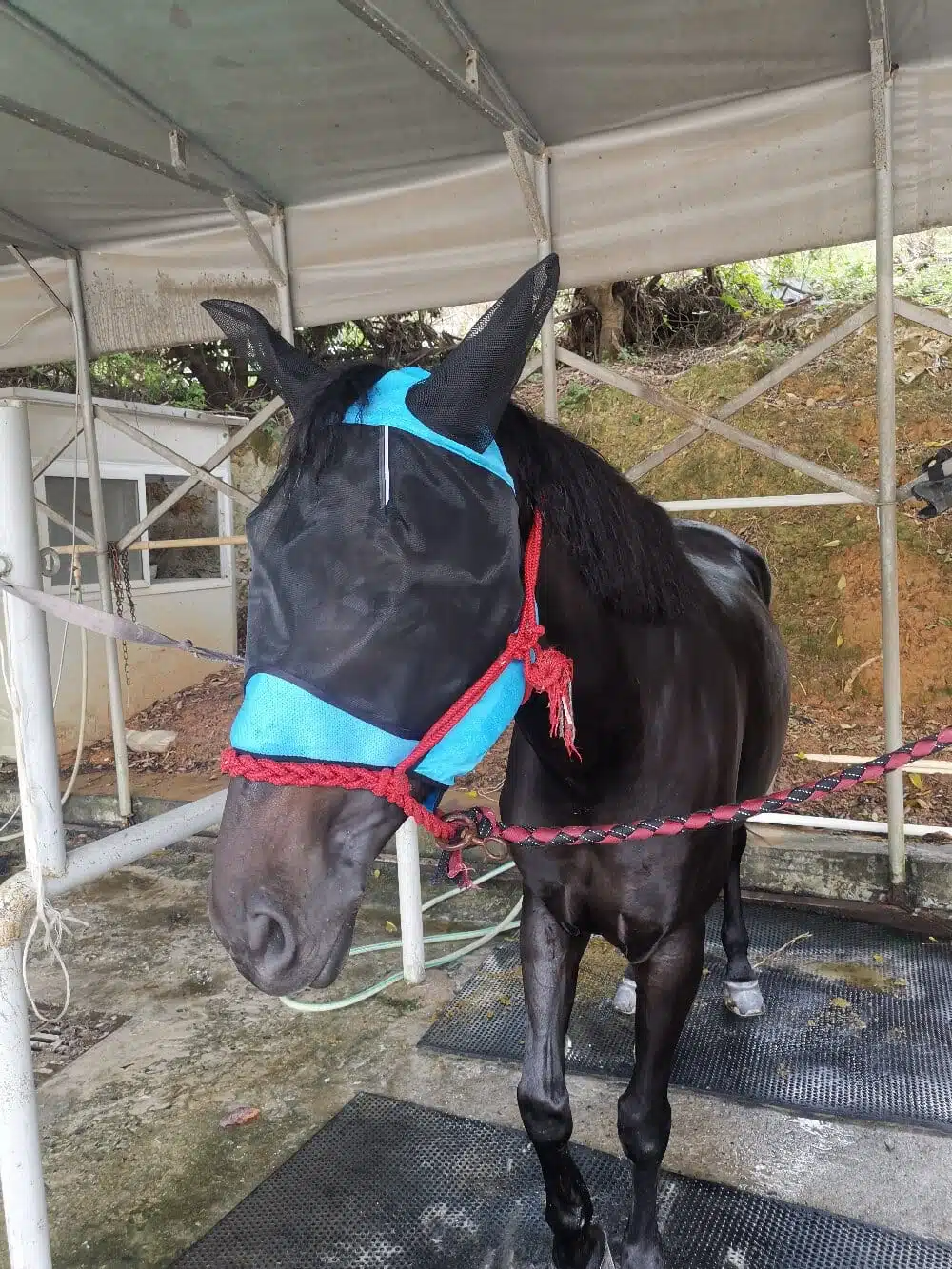

Watching a horse swish its tail in frustration is a familiar summer sight, but when the head tosses and face rubbing start, it’s often a sign that flies have won the battle. That’s exactly where a horse fly mask comes in. Once a simple mesh hood, this essential piece of fly gear has evolved into a sophisticated piece of equine protection, and the latest trends show just how far the design has come. From UV-blocking fabrics to ergonomic fits, today’s fly masks are more than pest control—they’re part of a broader shift toward comfort, welfare, and smart pasture management.
Fly season seems to stretch longer every year, and horse owners are responding with more strategic gear. The modern horse fly mask sits at the intersection of several trends: rising awareness of equine eye health, growing interest in UV protection, and a push toward longer turnout with fewer interruptions. Veterinarians frequently note that face flies and stable flies can contribute to eye irritation, conjunctivitis, and general stress, so shielding the face has moved from optional accessory to daily necessity for many yards.
Design Trends Shaping Today’s Fly Masks
Manufacturers are listening to riders and barn managers, and the results are visible in the details. Here are the design directions defining the current market:
- Breathable, fine-mesh fabrics: Newer weaves block tiny biting insects while maximizing airflow, which matters during humid afternoons.
- Ergonomic fits: Sculpted ear openings, darted brow sections, and adjustable throat straps reduce rubbing and keep the mask in place during rolling.
- Extended nose coverage: Longer nose sections protect against flies and sunburn on pink-skinned muzzles.
- Fleece and soft-edge trims: Pressure points around the ears and forehead are being cushioned to prevent hair loss and sores.
- Durable hardware: Reinforced stitching and quick-release closures are becoming standard as buyers demand multi-season longevity.
UV Protection and Equine Eye Health
One of the most talked-about developments is the integration of UV-blocking materials. Horses with pale faces, or those prone to photosensitivity, benefit from masks that filter harmful rays alongside insects. This dual-purpose approach appeals to owners managing horses with recurrent uveitis or sensitive skin, and it reflects a larger trend: gear that multitasks. A fly mask that also shades the eyes can support comfort during long turnout hours, particularly in sunny climates where ultraviolet exposure adds up day after day.
Smart Features and Materials to Watch
The latest generation of masks borrows ideas from human sportswear. Moisture-wicking liners, antimicrobial treatments, and reflective piping for visibility are appearing on premium models. Some brands now offer modular designs—removable nose pieces, replaceable ear covers, and interchangeable straps—so one mask adapts to different conditions. Color options have expanded too, with high-visibility neon and subtle earth tones letting owners match gear to their stable’s style. Fit technology is another talking point, with size charts based on actual head measurements rather than generic cob, full, and draft categories.
Choosing the Right Fly Mask for Your Horse
With so many options, selection comes down to the individual horse. Consider these practical steps:
- Measure your horse’s head and compare against brand-specific sizing guides.
- Decide on coverage: ears only, standard face, or extended nose protection.
- Check for soft edging if your horse is prone to rubs.
- Look for UV-blocking fabric if sun exposure is a concern.
- Inspect closures and stitching for durability before purchase.
It’s also wise to introduce the mask gradually and check it daily for fit and wear, especially during the first week of use.
Conclusion
The horse fly mask has moved well beyond basic mesh. Today’s models combine breathable fabrics, thoughtful ergonomics, UV protection, and durable construction to support equine welfare through the toughest fly months. Whether you’re managing a sensitive-skinned show horse or a pasture-kept companion, the latest trends offer more ways than ever to keep faces protected, comfortable, and fly-free.