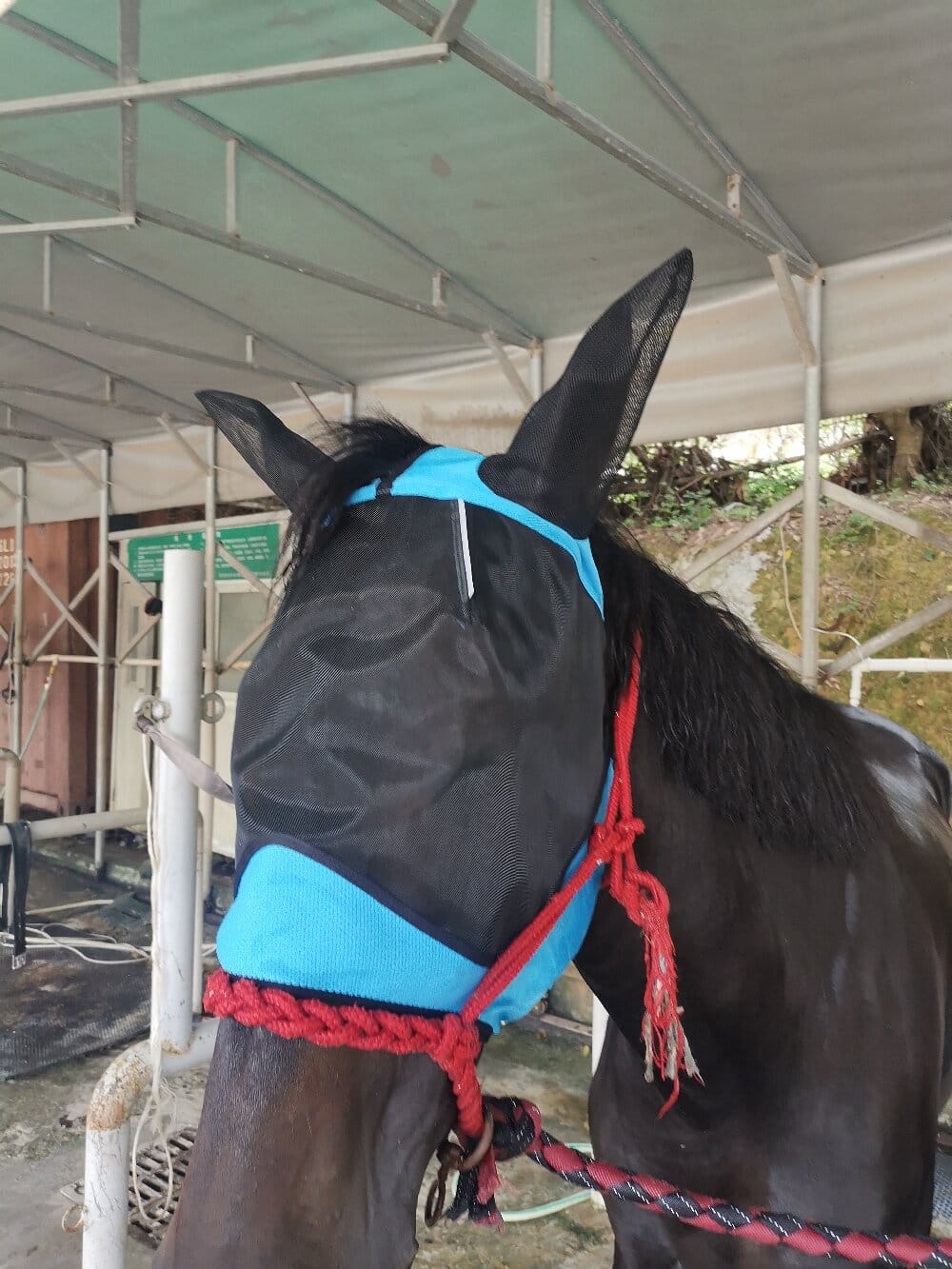
If you own or care for a horse, you already know that flying insects are more than a nuisance—they can cause eye irritation, infections, and constant stress during turnout. A well-fitted horse fly mask is one of the simplest, most effective tools in your daily management routine. But choosing and using one correctly requires a methodical approach. In this guide, you will learn a practical, step-by-step methodology for selecting, fitting, and maintaining a fly mask so your horse stays comfortable and protected all season long.
A Methodical Approach to Selecting the Right Horse Fly Mask
Rather than grabbing the first mask you see at the tack shop, treat the selection process as a structured evaluation. Work through these criteria in order:
- Assess your horse’s specific needs. Does your horse have sensitive eyes, a history of uveitis, or a light-colored face prone to sunburn? Horses with pink skin around the eyes often benefit from masks with UV-blocking fabric.
- Measure accurately. Use a soft tape to measure from the top of the poll to the bottom of the jaw, and around the widest part of the face. Compare your numbers to the manufacturer’s sizing chart—sizes vary significantly between brands.
- Evaluate the design. Look for darts or shaping around the eye area so the mesh stays away from the eyelashes, and check that ear coverage is optional if your horse dislikes ear holes.
- Inspect closure systems. Hook-and-loop straps are common, but consider double closures or buckle options for horses that are skilled at removing headgear.
Fitting and Introducing the Mask: A Step-by-Step Method
Proper fit determines whether a fly mask helps or harms. Follow this sequence when you first put one on your horse:
- Introduce the mask slowly during a calm moment, allowing your horse to sniff it before placement.
- Fasten straps snugly enough that the mask cannot slip over the eyes, but loose enough to slide two fingers underneath.
- Check clearance around the eyes—the mesh should never press directly against the eyeball or lashes.
- Observe your horse for the first fifteen minutes; watch for rubbing, head shaking, or attempts to remove it.
- Recheck fit after the first day, since straps can loosen with movement and rolling.
A mask that shifts or rubs will quickly become a source of irritation, defeating its purpose. Patience during introduction pays off with a horse that accepts the mask calmly.
Maintenance and Rotation: Keeping Your Fly Mask Effective
Even the best fly mask loses effectiveness if neglected. Establish a routine: rinse the mesh weekly with mild soap to remove dust and sweat, inspect seams and straps for wear, and keep a spare mask on hand so one can dry while the other is worn. Rotation also extends the life of each mask and ensures your horse is never unprotected on a warm, buggy day.
Conclusion
Protecting your horse from flies does not have to be complicated—it simply requires a consistent method. By assessing your horse’s needs, measuring carefully, fitting deliberately, and maintaining the mask regularly, you turn a basic piece of tack into a reliable layer of comfort and health. Approach your horse fly mask selection with this methodology, and you will keep your horse’s eyes safe, calm, and fly-free throughout the season.