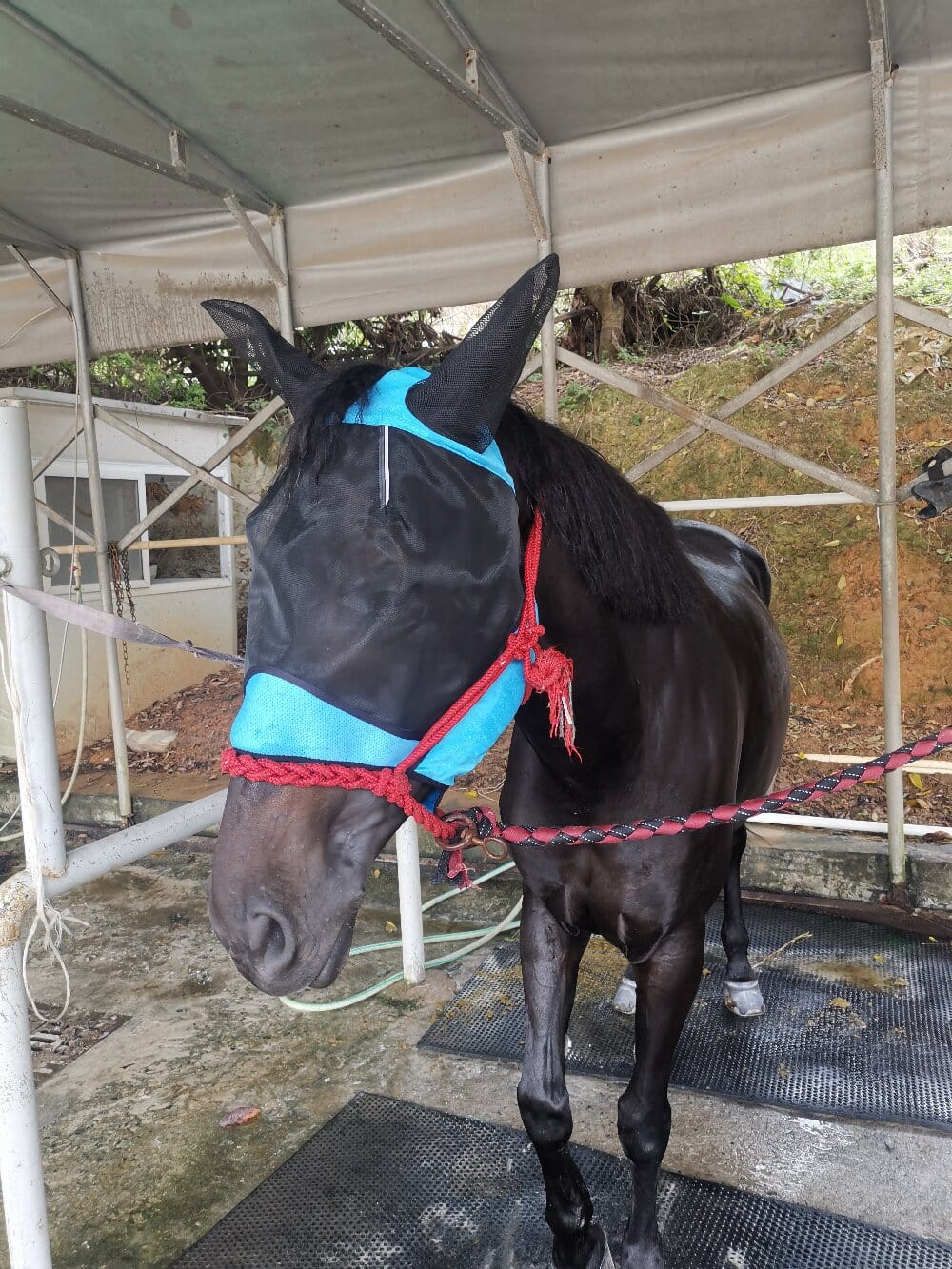
If you have ever watched your horse stamp, swish, and rub its face against a fence post, you already know how miserable flying insects can make them. A well-chosen horse fly mask is one of the simplest, most cost-effective pieces of protective gear you can add to your tack room. From casual trail riders to competitive barns, owners across disciplines rely on these lightweight face covers to reduce irritation, prevent eye injuries, and support overall comfort during fly season. This practical guide walks through what fly masks do, how to size and fit them, which features matter most, and how to keep them clean and effective.
Flies, gnats, and midges target the eyes, ears, and muzzle because the skin there is thin and sensitive. Constant biting leads to head shaking, rubbing, and sometimes corneal scratches that require veterinary care. A quality fly mask acts as a physical barrier, keeping insects away from the face without restricting vision. For horses with pink skin or a history of uveitis, the added UV protection is a meaningful bonus. Many owners also report calmer, more relaxed horses during turnout, which makes the mask a worthwhile investment for both welfare and performance.
Choosing the Right Horse Fly Mask for Your Horse
Not all masks are created equal, and the best choice depends on your horse’s build, turnout routine, and sensitivity level. Consider these factors before you buy:
- Coverage style: Standard masks shield the eyes and face; masks with ear covers add protection against biting midges; full-face models extend down the nose.
- Material: Fine mesh offers visibility and airflow, while heavier fabrics resist abrasion for horses that rub aggressively.
- Fit and adjustability: Look for wide hook-and-loop straps, elastic throat closures, and fleece edging to prevent rubbing.
- UV rating: If your horse has photosensitivity or pink skin, prioritize masks with documented UV blocking.
- Durability: Reinforced binding and double-stitched seams hold up better through daily turnout.
Measure your horse’s head from the poll to the noseband and around the jaw before ordering. Sizing charts vary by brand, so always check the manufacturer’s guidance rather than assuming a cob or horse size will fit.
How to Fit a Horse Fly Mask Correctly
A mask that slips, twists, or presses on the eyes causes more harm than good. Follow this quick fitting routine:
- Slide the mask on from the front, positioning the ear openings comfortably around the base of the ears.
- Fasten the throat strap snugly, then check that you can still fit two fingers underneath.
- Confirm the mesh sits away from the eyes and lashes, with no wrinkles pressing inward.
- Watch your horse move in turnout for a few minutes to spot any slipping or rubbing.
- Recheck fit weekly, especially during growth periods or after clipping.
Care, Maintenance, and Common Mistakes
Dirt and sweat degrade mesh quickly, so rinse your horse fly mask by hand every few days during peak season and allow it to air dry. Avoid washing machines unless the label permits it, and never use fabric softener, which clogs mesh pores. Rotate between two masks so one is always clean and dry. Common mistakes include leaving a damp mask on for long periods, ignoring frayed edges that can scratch the cornea, and using a mask as a substitute for fly repellent around the body and legs. Pair the mask with sprays, fans, and manure management for a complete insect-control strategy.
Final Thoughts
A properly fitted horse fly mask is a small investment that delivers real returns: fewer eye injuries, less stress, and happier turnout time. Match the style to your horse’s needs, check the fit regularly, and keep it clean. With a little attention, this everyday piece of protective gear will serve your horse well season after season.