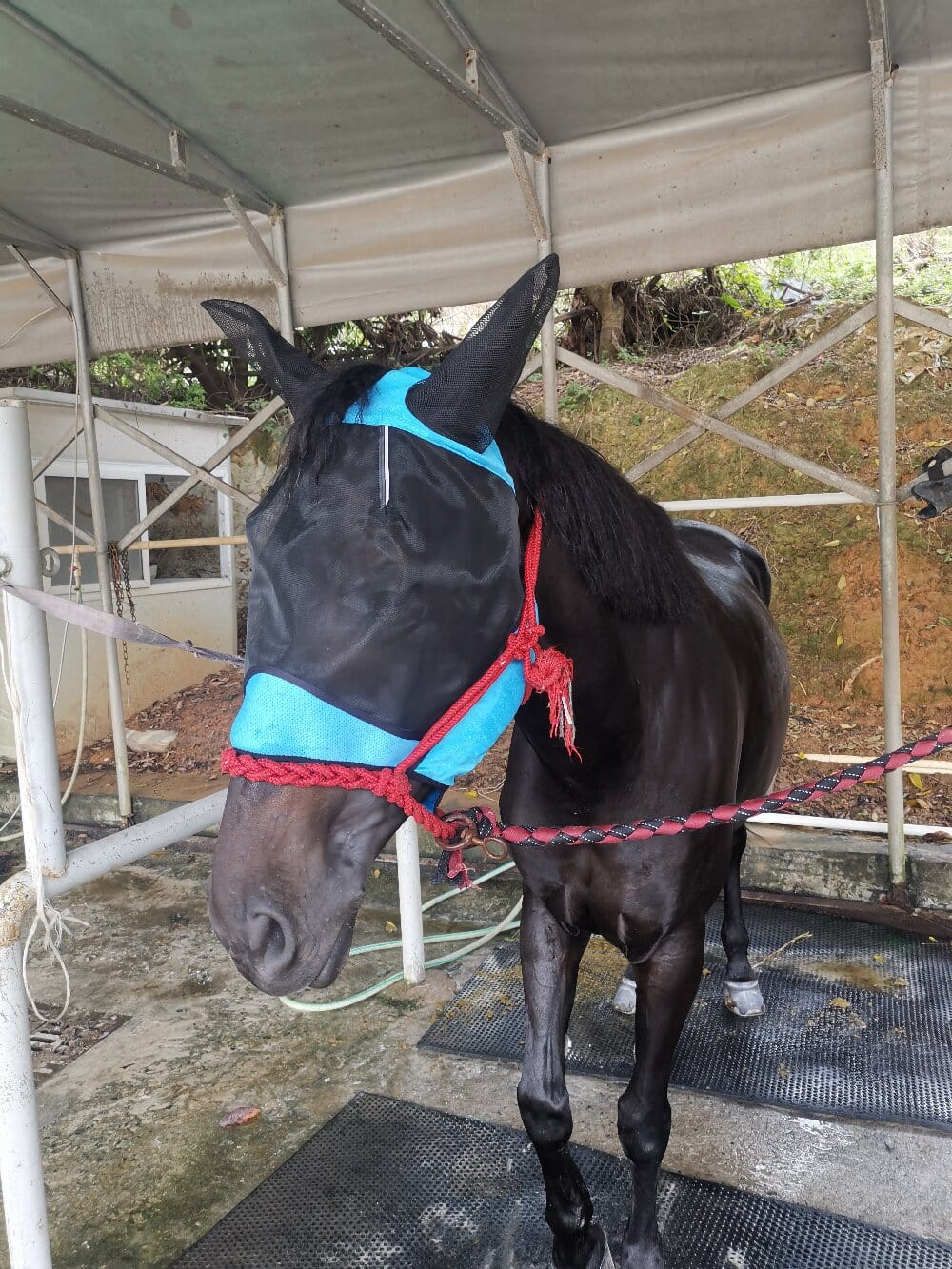
A horse fly mask is one of the simplest yet most effective pieces of protective equipment available to horse owners, and understanding how to select and use one properly can make a meaningful difference in a horse’s comfort and health. From a methodology perspective, evaluating fly masks requires a structured approach: identifying the threats, assessing fit and materials, testing in real conditions, and reviewing outcomes over time. This guide examines the topic through multiple lenses—veterinary, practical, behavioral, and economic—so that owners, barn managers, and riders can make informed decisions rather than relying on guesswork.
Why Fly Protection Deserves a Methodical Approach
Flies, gnats, and midges are more than a nuisance. They can cause eye irritation, conjunctivitis, and summer sores, and they contribute to the spread of diseases such as equine infectious anemia. A methodical approach means first mapping the local insect pressure: stabling density, nearby water sources, pasture layout, and seasonal patterns all influence which pests are present. Only after this assessment can an owner choose a mask style—full-face, ear-included, or nostril-covering—that matches actual conditions rather than marketing claims.
Veterinarians often emphasize that prevention is cheaper than treatment. From their perspective, a well-fitted mask reduces the incidence of corneal ulcers and insect bite hypersensitivity. Researchers studying equine welfare add that consistent protection lowers stress indicators such as head tossing and fence-walking. Meanwhile, trainers focus on performance: a horse bothered by flies cannot focus on work, so a mask becomes part of the daily training routine.
Selecting the Right Horse Fly Mask: A Step-by-Step Method
A repeatable selection process helps owners avoid costly mistakes. The following steps reflect best practices drawn from equine retail specialists, farriers, and long-time barn managers:
- Measure the head. Use a soft tape to record the distance from poll to muzzle and around the jaw. Sizing charts vary by brand, so measure rather than guess.
- Evaluate materials. Look for breathable mesh with UV protection, soft binding at the edges, and fleece padding where straps contact skin.
- Check visibility and ventilation. The eye area should be dark but not obstructed; good airflow prevents overheating in summer heat.
- Test fastenings. Hook-and-loop straps should be secure yet easy to adjust, and breakaway designs add safety if a horse catches the mask on fencing.
- Observe behavior. After fitting, watch for rubbing, head shaking, or attempts to remove the mask—signs that fit or material needs adjustment.
Field testing matters as much as the initial fit. A mask that works in the stable may fail in turnout, where rolling, grazing, and social grooming put stress on straps and seams. Owners should inspect masks daily for wear and wash them regularly to prevent dirt buildup that can irritate skin.
Comparing Perspectives: Cost, Durability, and Horse Comfort
Different stakeholders weigh features differently. Budget-conscious owners may prioritize price and repairability, while competition riders value durability and a secure fit during exercise. Behaviorists note that some horses readily accept masks while others need gradual desensitization—introducing the mask for short periods with positive reinforcement. Manufacturers, meanwhile, continue to refine designs with ear coverage, nose fringes, and reflective trim for visibility.
Secondary considerations include compatibility with fly spray routines, helmet use during riding, and seasonal rotation between lightweight summer masks and heavier turnout versions. Keeping a simple log of fit issues, replacement dates, and insect activity helps owners refine their choices year after year.
Conclusion
Treating fly protection as a structured methodology—assessing pest pressure, measuring and fitting carefully, testing in real conditions, and reviewing results—leads to better outcomes than buying on impulse. A properly chosen horse fly mask protects eyes, reduces stress, and supports overall equine health, while the multi-perspective view from veterinarians, trainers, and behaviorists confirms that thoughtful selection and routine maintenance are the keys to lasting comfort and value.