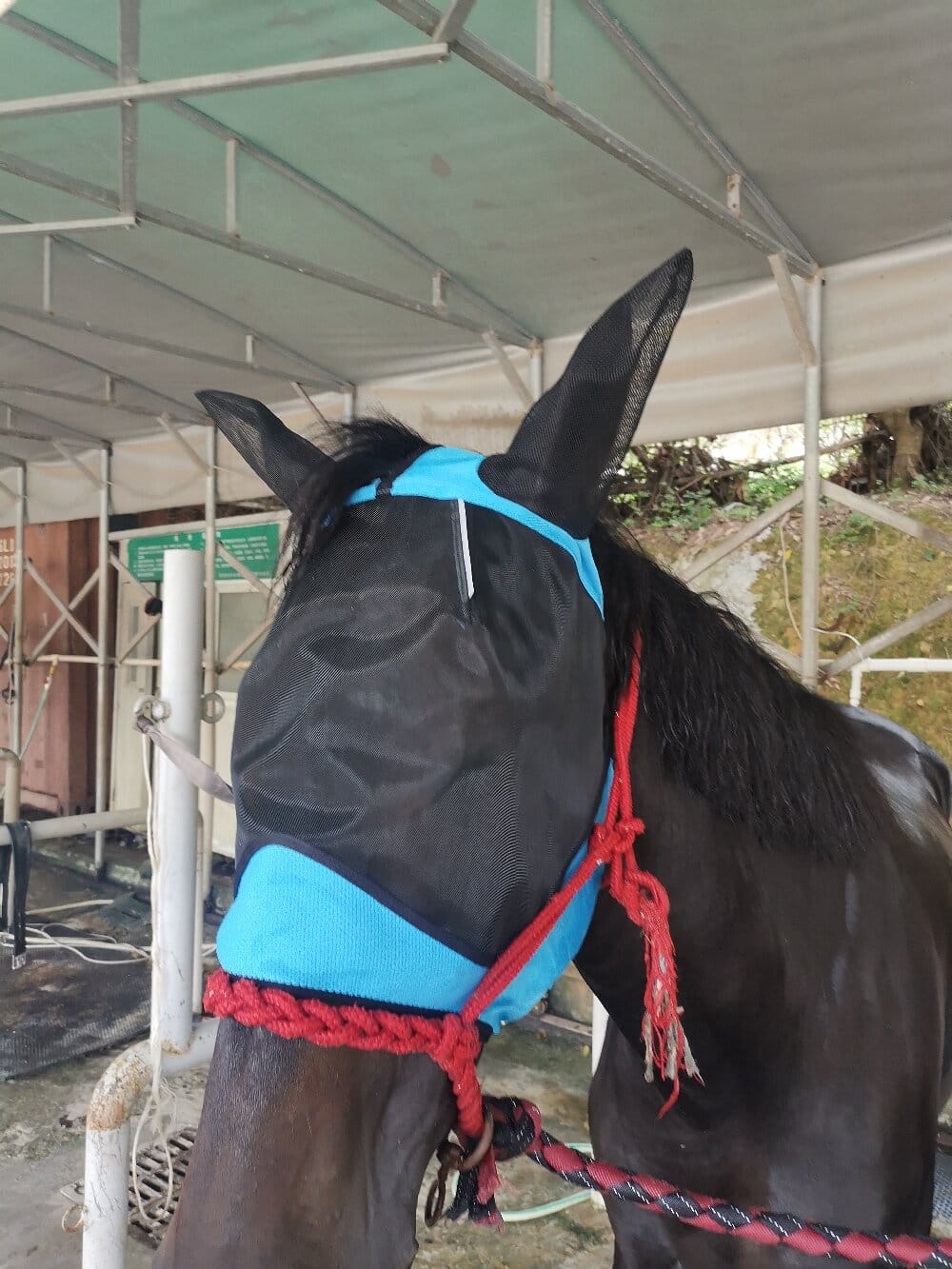
Across centuries and continents, the horse fly mask has been far more than a piece of functional tack; it is a small but telling artifact of how different cultures negotiate the relationship between working animals, insects, and the shared environment. From the dusty caravans of North Africa to the manicured paddocks of the English countryside, the humble fly veil reveals shifting attitudes toward animal welfare, craftsmanship, and even status. To understand the horse fly mask is to read a quiet chapter in the cultural history of equestrian life.
The Horse Fly Mask as a Marker of Equestrian Tradition
In many pastoral societies, protecting a horse from biting insects was never a purely practical concern—it was a moral one. A well-cared-for animal signaled a responsible owner, and the fly veil became a visible badge of that diligence. Among Bedouin horsemen, for instance, head coverings for horses were often fashioned from available cloth and leather, reflecting a deep-rooted ethos of resourcefulness and devotion to the mount. In contrast, European stable traditions of the eighteenth and nineteenth centuries elevated the fly mask into a mark of refinement, with tailored veils appearing in illustrated stable manuals and country-house inventories. The same object, in different hands, told different stories about class, climate, and courtesy toward animals.
Materials, Craft, and Regional Identity
The physical evolution of the fly veil is itself a cultural record. Consider how regional resources shaped design:
- North Africa and the Middle East: lightweight woven fabrics and leather strips, suited to heat and sand.
- Northern Europe: heavier canvas and early mesh, built for wet summers and robust native breeds.
- Modern global market: synthetic mesh with UV protection, fleece binding, and ergonomic ear cutouts.
Each iteration reflects not only climate and craft but also local beliefs about comfort and dignity for the horse. A veil with fringed edges in one region may echo ceremonial trappings; a minimalist mesh in another speaks to contemporary performance culture. These variations remind us that equestrian equipment is never culturally neutral—it carries the fingerprints of the people who make and use it.
Ritual, Season, and the Rhythms of Rural Life
In agricultural communities, the arrival of fly season has long been a calendrical marker, and putting the veil on a horse is a small seasonal ritual. Older stable hands speak of “veiling up” as a springtime rite, tied to the first warm days and the buzzing return of pests. This rhythm connects modern horse care to older folk practices, in which protecting livestock was interwoven with folklore, weather lore, and communal knowledge. Even today, the act of fastening a fly mask can feel like a gesture of continuity—a link between generations who have all faced the same seasonal nuisance.
Welfare, Ethics, and the Horse Fly Mask Today
Contemporary debate around the horse fly mask reflects broader cultural conversations about animal welfare and responsible ownership. Riders and veterinarians increasingly discuss fit, ventilation, and stress reduction, treating the veil as part of a humane management strategy rather than a mere accessory. This ethical turn is cultural as much as scientific: it shows a society rethinking what it owes to the animals in its care. Well-designed masks that shield the eyes and ears from flies, while allowing airflow and peripheral vision, embody that balance between protection and freedom.
Conclusion
Seen through a cultural lens, the horse fly mask is a modest object with a rich biography. It records regional craftsmanship, class distinctions, seasonal rituals, and evolving ethics of animal care. Whether hand-stitched in a desert encampment or engineered in a modern factory, the veil continues to express a timeless human impulse: to shelter the creatures that carry us, and in doing so, to say something about who we are.