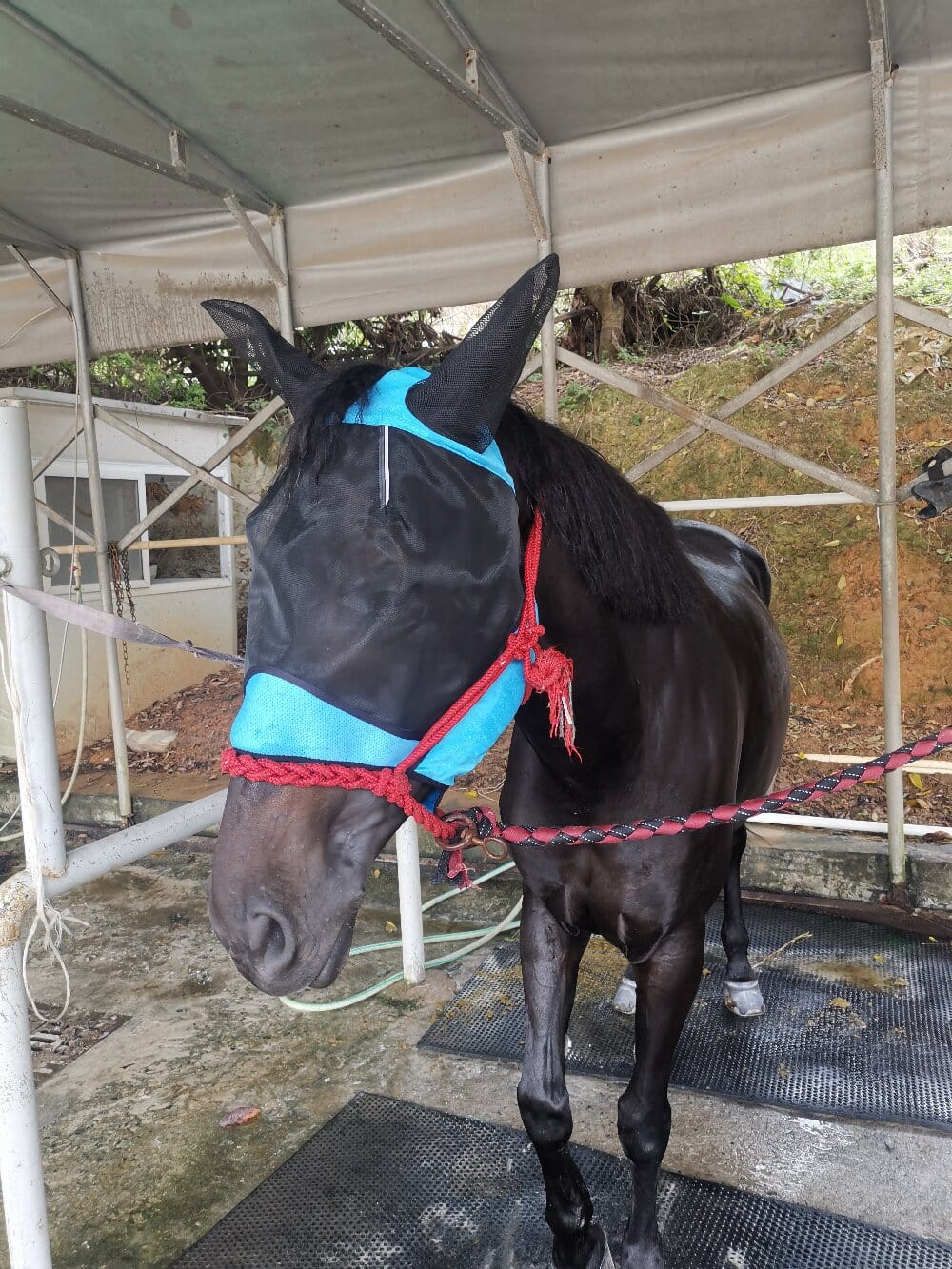
Every equestrian knows the summer struggle: head-shaking, stamping, and irritated skin caused by flies and biting insects. A horse fly mask has become an essential piece of summer tack, but walk into any tack shop or browse online, and you will find dozens of designs claiming to be the best. Rather than accepting marketing claims at face value, a comparative analysis of materials, fit, and features helps horse owners make smarter, more informed purchases for their animals.
Comparing Materials: Mesh Density and UV Protection
The first point of comparison among fly masks is the fabric itself. Standard mesh masks offer basic insect barriers, while denser weaves block smaller nuisances like midges and gnats. From a veterinary perspective, masks with UV-blocking fabric provide added value for horses with pink skin or photosensitivity. Cheaper masks often use coarser mesh that tears easily, whereas premium options feature soft, breathable micro-mesh. Consumers should weigh durability against ventilation — a mask that traps heat can be just as uncomfortable as the flies it repels.
Fit and Comfort: A Multi-Perspective View
Trainers, veterinarians, and everyday owners each evaluate fit differently. Trainers prioritize masks that stay in place during turnout and riding, with secure throat straps and ear coverage. Veterinarians focus on masks that avoid rubbing, particularly around the eyes and muzzle, since ill-fitting gear can cause corneal irritation. Owners, meanwhile, appreciate adjustable straps and fleece padding that accommodate different head shapes. Comparing these perspectives reveals a simple truth: there is no universal fit, so sizing charts and return policies matter as much as the product itself.
Horse Fly Mask Features Worth Comparing Side by Side
When lining up products, several features deserve close scrutiny:
- Eye clearance: Masks with rigid or domed eye areas keep mesh away from the cornea, reducing rubbing risk.
- Ear coverage: Removable or built-in ear covers protect against biting midges, a common cause of head shaking.
- Nose extension: Longer masks shield the muzzle from sunburn and flies, but must not restrict breathing.
- Fastening system: Hook-and-loop closures are convenient but can wear out; snap or buckle options may last longer.
- Washability: Masks that survive repeated laundering offer better long-term value than disposable styles.
Comparing these details side by side prevents buyers from overpaying for features they do not need or overlooking essentials their horse does.
Price Versus Longevity: The Value Comparison
Budget masks appeal to owners managing multiple horses, but frequent replacements can erase initial savings. Mid-range masks often strike the best balance, offering reinforced seams and UV fabric at reasonable cost. Premium masks justify their price through ergonomic design and extended warranties. From a practical standpoint, the true cost is calculated per season of use, not per purchase — a comparison every horse owner should make before checkout.
Conclusion: Choosing Through Comparison
No single fly mask suits every horse, discipline, or budget. By comparing mesh quality, fit, protective features, and long-term value, owners can select gear that genuinely improves their horse’s comfort during fly season. Thoughtful comparison, rather than impulse buying, remains the most reliable path to a happy, head-shake-free horse.