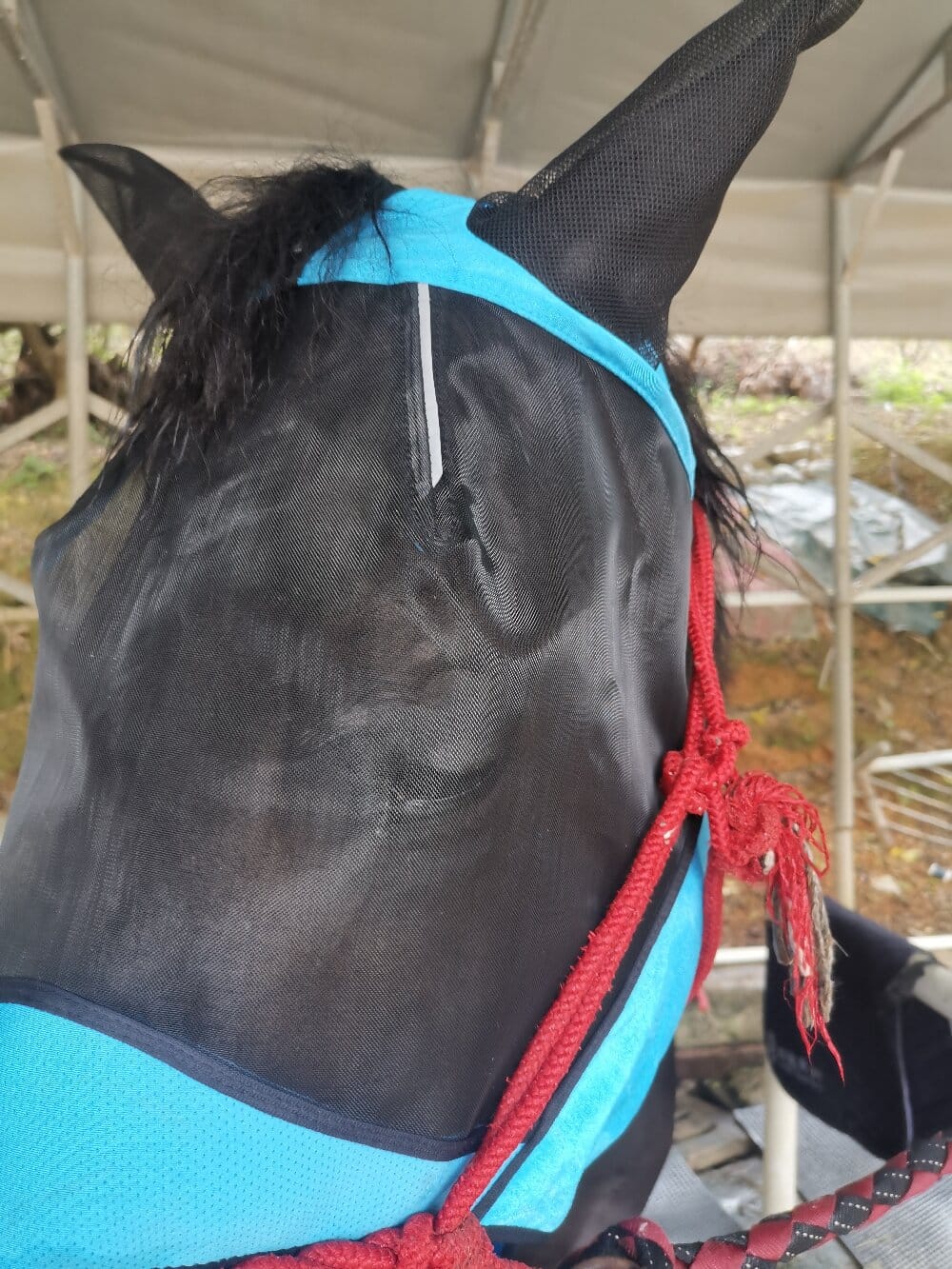
In the equine equipment sector, the horse fly mask has evolved from a simple mesh hood into a sophisticated piece of protective gear shaped by material science, veterinary insight, and changing weather patterns. Manufacturers, barn managers, and equine veterinarians now view fly protection as part of a broader seasonal health strategy rather than a mere summer accessory. This shift has pushed innovation in fabrics, fit systems, and durability standards, making the category one of the more dynamic segments in equine care.
From a manufacturing standpoint, the horse fly mask category has seen notable segmentation over the past decade. Entry-level products typically feature basic polyester mesh and elastic straps, while premium lines incorporate UV-blocking textiles, reinforced binding, and ergonomic ear and nose coverage. Suppliers report growing demand for masks that combine insect barriers with ultraviolet protection, particularly in regions where horses face both intense sun and heavy fly pressure.
Retailers and equine health professionals increasingly emphasize fit and ventilation. A poorly fitted mask can rub the face, trap heat, or slip during turnout, which defeats its purpose and may cause skin irritation. As a result, brands are investing in adjustable closures, fleece-lined edges, and contoured patterns that accommodate different head shapes, from refined Thoroughbreds to stocky draft crosses.
Design and Material Considerations Buyers Should Evaluate
Industry experts point to several technical factors that separate effective fly masks from ineffective ones:
- Mesh density: Fine mesh blocks tiny biting insects such as midges and no-see-ums, while coarser weaves offer more airflow but less protection.
- UV rating: Fabrics tested for UV blocking help reduce sunburn risk on pink-skinned areas and support comfort during peak daylight hours.
- Reinforcement zones: Double-stitched binding and durable edge tape extend product life, especially for horses turned out in groups.
- Ear and muzzle options: Removable ear covers and extended nose panels address specific regional pest pressures.
- Fastening systems: Hook-and-loop closures remain popular, but some manufacturers are testing quick-release buckles for safety and convenience.
Veterinarians also note that breathability matters as much as barrier strength. A mask that traps moisture can create a warm, humid environment favorable to skin conditions, so airflow design is a genuine health consideration, not just a comfort feature.
Multi-Perspective View: What Different Stakeholders Look For
Each stakeholder in the equine industry approaches protective facewear with distinct priorities. Manufacturers focus on cost-effective production, consistent sizing across SKUs, and compliance with textile safety standards. Barn managers prioritize durability and ease of laundering, since masks are often rotated among horses and washed frequently during peak fly season. Veterinarians tend to evaluate whether a mask interferes with vision, eyelid movement, or healing after eye injuries, and they often recommend consulting a professional before using coverage on horses with pre-existing eye conditions.
Owners, meanwhile, balance price against longevity and fit. Many report that investing in a well-constructed mask reduces replacement frequency and lowers the risk of rubs, making the total cost of ownership comparable to cheaper alternatives. This multi-stakeholder perspective explains why the market increasingly rewards products that document their material specifications and fit guidance clearly.
Practical Guidance for Seasonal Fly Protection
Industry best practice suggests introducing a new horse fly mask gradually, checking for rubbing behind the ears and along the cheekbones, and removing it daily for inspection. Rotation between two masks extends fabric life and allows proper cleaning. Pairing face protection with fly sprays, leg wraps, and stable management strategies delivers more reliable relief than any single product. As pest seasons lengthen in many regions, these integrated approaches are becoming standard recommendations from equine care professionals.
Conclusion
The horse fly mask has matured into a technically driven category defined by mesh engineering, UV protection, and ergonomic fit. For buyers, the key takeaways are to prioritize breathable, well-fitted designs, verify material specifications, and treat face protection as one component of a comprehensive equine health plan. As innovation continues, expect further advances in fabric technology and sizing systems that serve both horses and their caretakers more effectively.