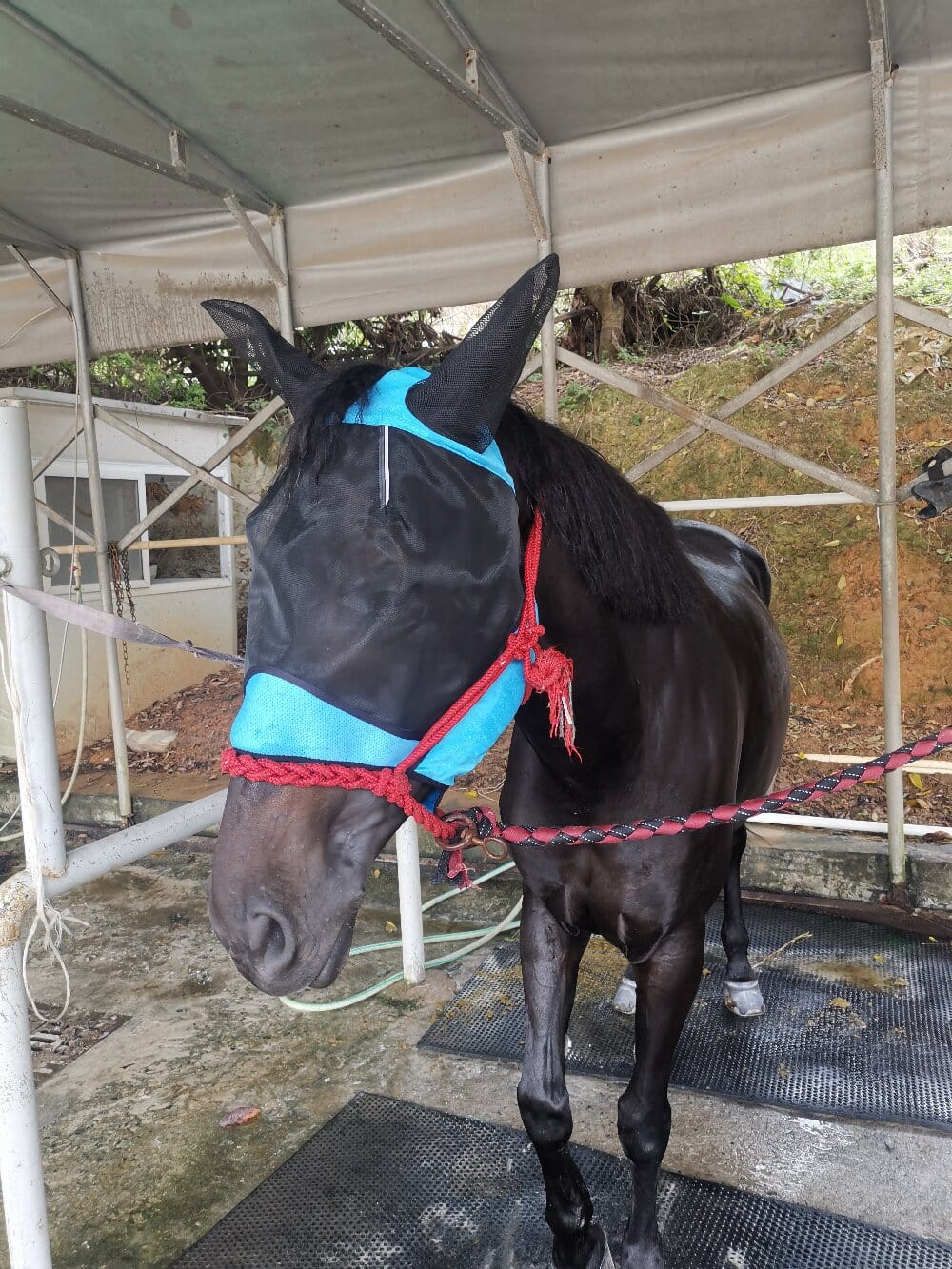
A horse fly mask is a specialized piece of equine equipment designed to shield the animal’s eyes, ears, and face from flying insects, ultraviolet radiation, and airborne debris. From a methodology perspective, evaluating the effectiveness of this protective gear requires a systematic approach that considers material science, anatomical fit, environmental conditions, and behavioral outcomes. Researchers and equine caretakers alike benefit from structured observation protocols when assessing how a fly mask performs across different seasons, climates, and activity levels. This article examines the methodological framework used to select, apply, and evaluate fly masks for horses, offering practical guidance grounded in evidence-based assessment.
Methodological Criteria for Selecting a Horse Fly Mask
A rigorous selection methodology begins with defining the specific threats the mask must address. Horse flies, stable flies, bots, and mosquitoes each present different challenges, and the mesh density, color, and construction of the mask should correspond to the dominant pest profile in a given environment. The following criteria form a standard evaluation framework:
- Mesh density and visibility: Finer mesh excludes smaller insects but may reduce airflow and visibility; the optimal balance depends on local insect pressure.
- Fit and adjustability: Straps, fleece edging, and ear coverage must accommodate individual head shapes without causing rubbing or restricting the visual field.
- UV protection rating: Masks marketed for summer turnout should specify the level of ultraviolet blockage, particularly for horses with pink skin or prior squamous cell carcinoma concerns.
- Durability and washability: Field trials typically measure seam integrity, strap elasticity, and colorfastness after repeated laundering cycles.
Each criterion should be scored systematically, allowing caretakers to compare products objectively rather than relying on anecdotal preference.
Application Protocols and Fit Assessment
Proper application is as important as product selection. A standardized fitting procedure involves positioning the mask so that the eye darts sit centrally over the eyes, checking that ear covers do not fold or compress the auricle, and verifying that throat straps allow two fingers of slack. Observational assessment should follow application: caretakers monitor for head shaking, attempts to rub the mask off, or changes in grazing behavior during the first hours of wear. These behavioral indicators serve as reliable proxies for comfort and correct fit. Introducing the mask gradually, initially during supervised turnout, reduces the likelihood of rejection and allows early identification of pressure points.
Evaluating Performance Through Structured Observation
Methodologically sound evaluation extends beyond initial fitting. A practical monitoring schedule includes daily visual inspection for insect bites around the muzzle and ears, weekly checks for wear and seam separation, and seasonal review of whether the mask remains appropriate as fly populations shift. In hotter months, caretakers should assess airflow and check for signs of overheating, removing the mask during peak temperatures if necessary. Pairing the mask with fly repellents, fans, and manure management creates a layered defense strategy, and the mask’s contribution should be judged within that integrated system rather than in isolation. Record-keeping, such as a simple log of bite counts and wear duration, transforms subjective impressions into comparable data.
Conclusion
Treating the horse fly mask as a component of a systematic care methodology yields better outcomes than ad hoc purchasing. By defining pest threats, applying objective selection criteria, following standardized fitting protocols, and monitoring performance through structured observation, equine caretakers can maximize protection while safeguarding comfort. This approach supports both evidence-based decision-making and the practical welfare of the horse throughout fly season.