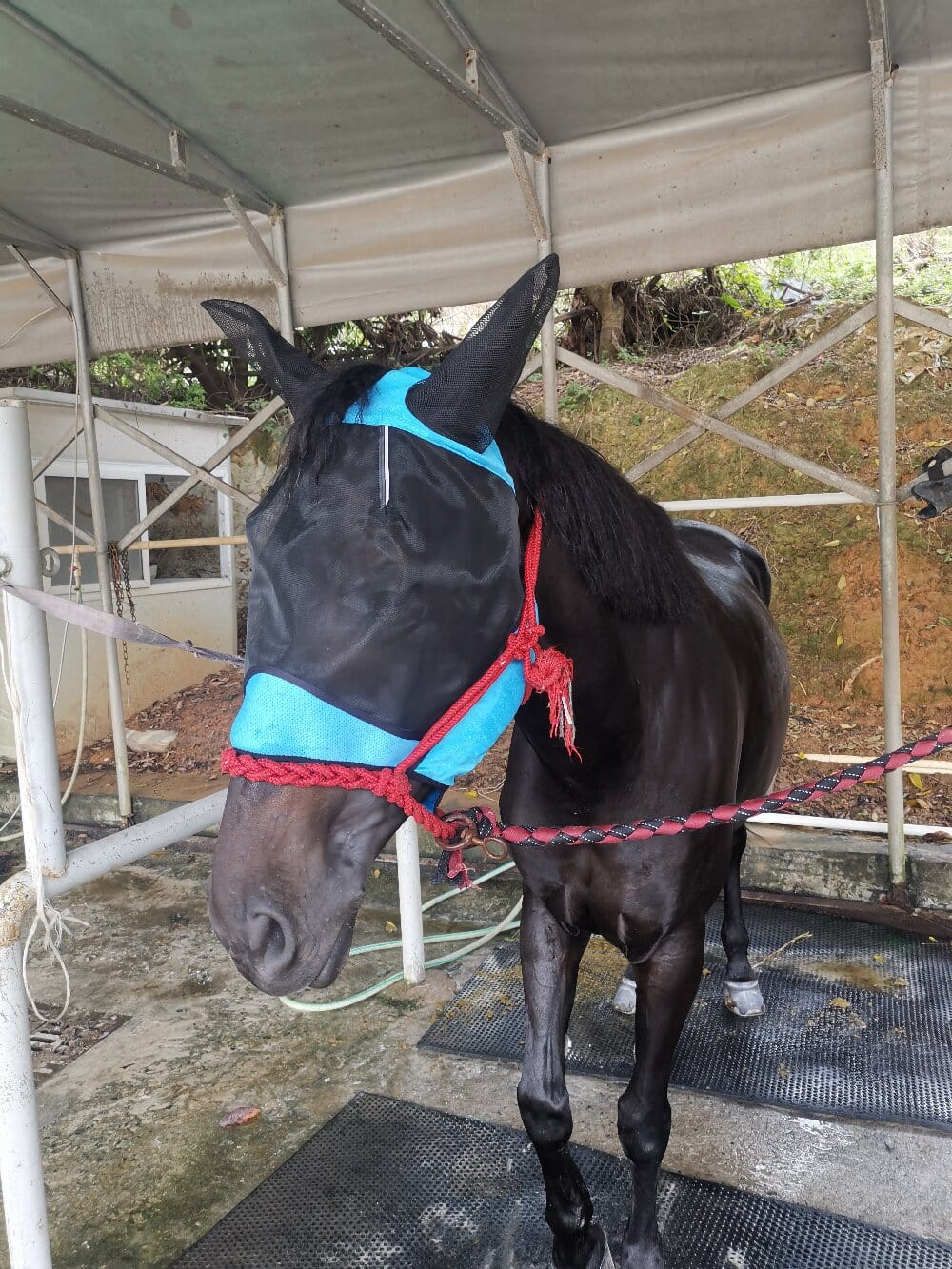
A horse fly mask has become a familiar sight in paddocks and pastures, yet its widespread adoption deserves closer scrutiny. Designed primarily to shield equine eyes from biting insects such as stable flies and face flies, this piece of protective gear is often presented as an essential item for summer turnout. From a critical thinking perspective, however, it is worth asking whether the product delivers consistent benefits, what trade-offs accompany its use, and how owners can evaluate claims made by manufacturers. A reasoned examination of the evidence helps horse owners make informed decisions rather than simply following prevailing trends.
What a Horse Fly Mask Actually Does
The core function of these masks is physical exclusion. Fine mesh fabric covers the eyes and, in some designs, the ears and muzzle, creating a barrier that prevents insects from landing on sensitive areas. Secondary benefits frequently cited include reduced irritation from flies, lower risk of insect-borne eye conditions, and protection against ultraviolet light. Manufacturers often advertise breathability, durability, and comfort, but buyers should recognize that these qualities vary considerably between products. Mesh density, strap design, and fit all influence performance, and a poorly fitted mask can rub the skin or slip out of position, undermining its protective value.
Critical Questions About Horse Fly Mask Effectiveness
Critical thinking requires distinguishing between plausible claims and demonstrated outcomes. Several questions deserve attention:
- Does the mask stay in place during turnout, rolling, and social interaction with other horses?
- Can the mesh obstruct peripheral vision enough to cause stress or behavioral changes?
- Are there documented reductions in fly bites, or is the evidence largely anecdotal?
- How does the product perform after repeated washing and exposure to sun and rain?
Research on equine welfare suggests that fit and visibility are paramount. A mask that shifts or restricts sight may cause anxiety, particularly in nervous animals. Similarly, the assumption that all mesh is equally protective ignores differences in weave and construction. Owners are advised to inspect the product carefully, monitor the horse’s behavior after introduction, and remove the mask if signs of discomfort appear.
Balancing Protection With Welfare Considerations
Even a well-designed fly mask is not a substitute for comprehensive fly management. Pasture hygiene, stabling during peak insect activity, and appropriate repellents remain important components of an integrated approach. Overreliance on a single product can create a false sense of security. Furthermore, prolonged wear raises questions about skin health, temperature regulation, and the opportunity for the horse to groom normally. A balanced strategy involves using the mask when insect pressure is highest and checking the animal regularly for rubbing, irritation, or behavioral indicators of distress.
Practical Guidance for Selecting a Horse Fly Mask
Consumers benefit from a skeptical, evidence-oriented approach when shopping. Prioritize correct sizing over stylish design, examine stitching and fastener quality, and seek products with adjustable straps that accommodate individual head shapes. Reading independent reviews and consulting a veterinarian can clarify whether a mask suits a particular horse’s needs, especially those with sensitive skin or pre-existing eye conditions. Cost is not always a reliable indicator of quality, and expensive features may offer little practical advantage.
Conclusion
Protective equine facewear can be a useful tool, but it should be evaluated with the same rigor applied to any husbandry decision. By asking how a product works, what evidence supports its claims, and what risks accompany its use, owners can move beyond marketing messages and make choices grounded in reason and observation. The most effective approach combines thoughtful product selection, attentive monitoring, and broader fly control measures.