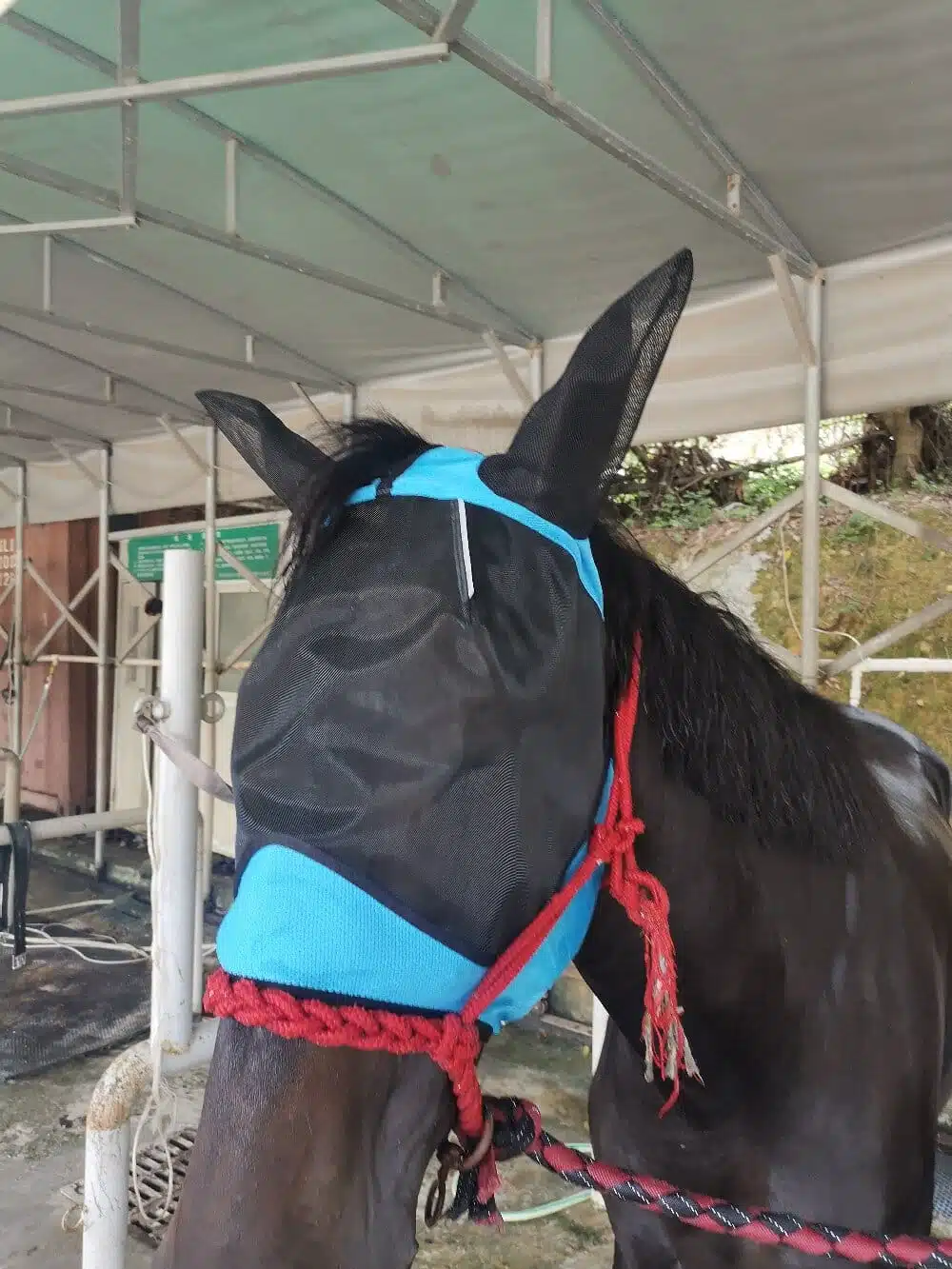

I have tested a lot of fly protection over the years, and the humble horse fly mask has become one of those pieces of tack I refuse to head to the barn without. But here is the thing I learned the hard way: not all masks are created equal. After comparing mesh densities, fit styles, and durability across several seasons, I want to walk you through what actually matters when you are shopping for one.
Flies are more than a nuisance. They cause head tossing, rubbed manes, sore ears, and stress that can affect everything from grazing time to training sessions. A well-fitted fly mask acts as a physical barrier, keeping biting insects away from the eyes, ears, and muzzle without relying on chemical sprays. In my comparison of options, the masks that performed best were the ones that combined fine mesh with a shape that stayed off the eyes rather than pressing against them.
Comparing Mesh Types and Visibility
When I lined up masks side by side, mesh density was the first differentiator. Standard mesh blocks larger flies but still lets a fair amount of light through. Fine or ultra-fine mesh keeps out tiny gnats and midges, which matters enormously if your horse is prone to sweet itch or summer eczema. The trade-off is airflow and visibility. In my experience, a good middle ground is a fine mesh body with a slightly more open panel over the eyes, so the horse is not walking around in a fog. I compared a few budget masks that used stiff, dark mesh and noticed my gelding squinting and shaking his head within minutes, so visibility is not a detail to overlook.
Fit, Fastenings, and Comfort Under Saddle
Fit is where cheap masks and quality masks really part ways. Here is what I look for now:
- Ear placement: Stitched ear covers should sit naturally without pulling, and removable ears are a bonus for horses that dislike the sensation.
- Fleece binding: Soft edging along the brow and nose reduces rub marks, especially during long turnout days.
- Adjustable straps: A throat strap with a quick-release buckle beats a simple hook-and-loop closure for security and safety.
- Eye clearance: The mask should stand slightly away from the eyes, not press flat against them.
I also compared wearing a mask during light riding versus turnout only. For ridden work, a streamlined mask with a secure chin strap stayed put far better than loose designs that shifted with every stride.
Durability and Care: The Long-Term Test
Price rarely tells the whole story. One inexpensive mask I tried lost its shape after two washes, while a slightly pricier option with reinforced stitching and UV-resistant fabric held up for a full season. I now check whether a mask is machine washable in a laundry bag, because grime buildup along the noseband is inevitable. Comparing cost per month of use rather than sticker price changed how I shop entirely.
My Final Takeaway
After all these comparisons, my advice is simple. Prioritize fine mesh, genuine eye clearance, soft binding, and secure fastenings over flashy colors or the lowest price. Measure your horse’s head rather than guessing, and check the fit weekly as the season progresses. The right horse fly mask is an investment in comfort that pays off in calmer, healthier horses and fewer vet visits.