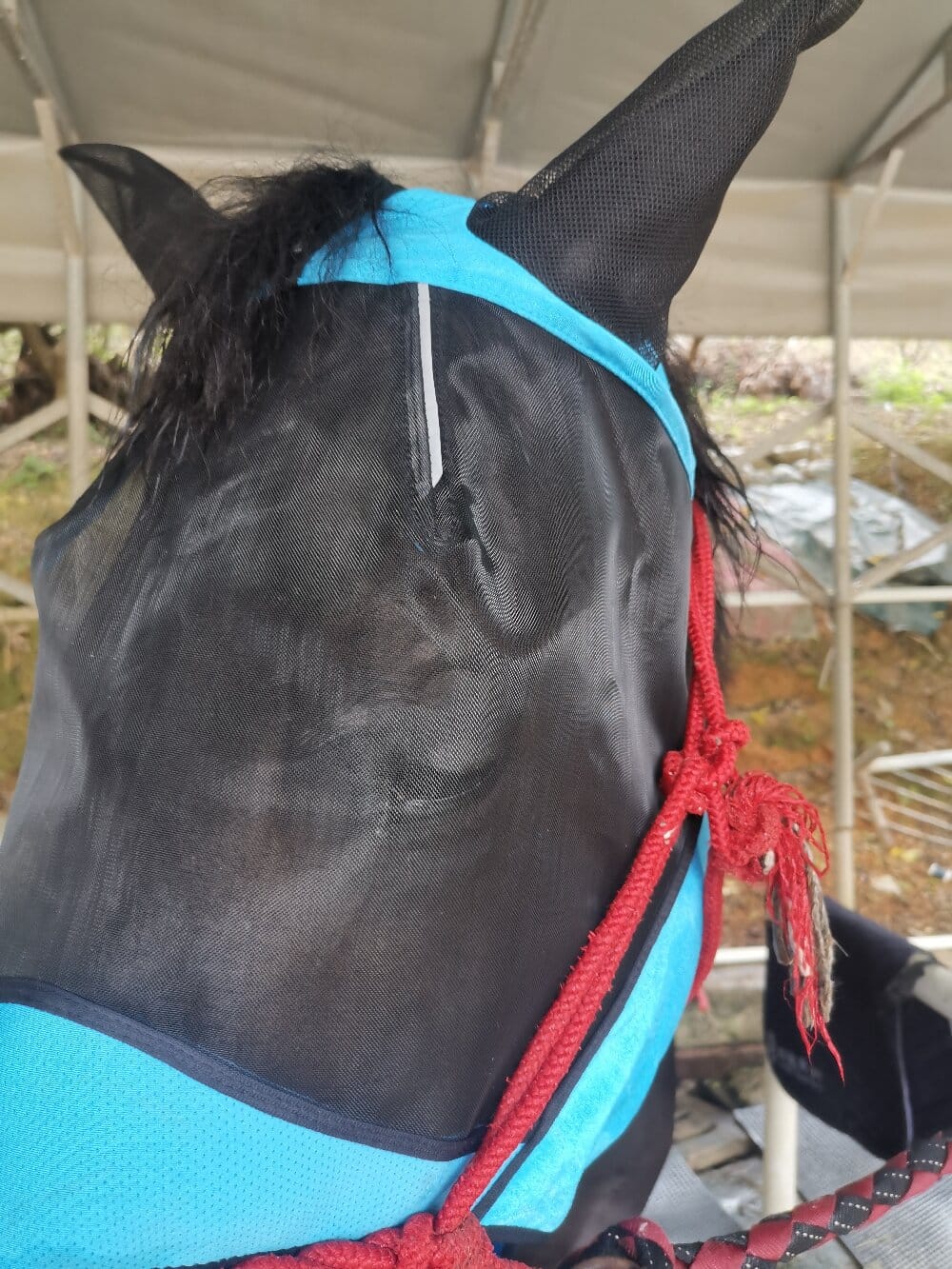
If you have spent any time around horses in 2024, you have likely noticed that fly protection has evolved far beyond the old-fashioned mesh mask. The modern horse fly mask has become a sophisticated piece of equine gear, blending advanced textiles, ergonomic design, and even smart technology. From backyard companions to high-performance sport horses, owners are rethinking how they shield their animals from flies, gnats, and UV rays. This shift reflects broader trends in equine welfare, where comfort, durability, and science-backed protection now drive purchasing decisions.
Rising insect populations, longer fly seasons, and growing awareness of equine eye conditions such as conjunctivitis and uveitis have pushed fly masks into the spotlight. Veterinarians increasingly recommend daily face protection, not just during peak summer months. As a result, the horse fly mask market has expanded rapidly, offering everything from budget-friendly basics to premium designs with cooling fabrics and pressure-point relief. Horse owners are also more educated about fit and function, demanding masks that stay put during turnout yet remain gentle on sensitive skin.
Latest Trends Shaping Fly Mask Design
Several innovations are defining the current generation of equine fly masks. Manufacturers are responding to consumer feedback with features that address real-world frustrations.
- Cooling and breathable fabrics: Newer masks incorporate moisture-wicking mesh and reflective materials that reduce heat buildup, making them suitable for hot climates and intense exercise.
- UV protection ratings: Just as with human sun gear, fly masks now advertise UPF ratings, helping prevent sunburn on pink-skinned areas around the muzzle and eyes.
- Ergonomic ear and brow cuts: Improved patterns reduce rubbing and allow full ear movement, which is critical for horses that dislike tight-fitting gear.
- Smart and reflective options: Some high-end masks include reflective stitching for visibility and, in a few experimental models, integrated sensors that monitor fly activity or body temperature.
- Eco-friendly materials: Recycled mesh and biodegradable packaging are appearing as brands respond to sustainability concerns.
Multi-Perspective: What Different Owners Need
The ideal horse fly mask depends heavily on the horse’s lifestyle and the owner’s priorities. From a veterinary perspective, the key is consistent coverage of the eyes and muzzle without restricting vision or airflow. From a competitive rider’s viewpoint, durability and stay-put performance during turnout or travel matter most. Leisure owners often prioritize ease of cleaning and affordability. Meanwhile, rescue organizations and sanctuaries look for masks that fit a wide range of head shapes and withstand group turnout. This diversity of needs explains why the market now offers specialized designs, including masks with nose extensions, ear covers, and even full-face versions for horses with sensitive skin.
Choosing the Right Fly Mask: Practical Tips
With so many options available, selecting the right mask can feel overwhelming. Keep these guidelines in mind:
- Measure your horse’s head accurately and check sizing charts, as fit varies by brand.
- Look for soft binding around edges to prevent rubs, especially behind the ears.
- Ensure the mesh allows clear vision and does not obstruct the eyes.
- Consider seasonal needs: lighter mesh for summer, fleece-lined options for sensitive skin, and UV-blocking fabrics for pale horses.
- Check for removable or adjustable straps that stay secure but release safely if snagged.
Care and Longevity
Even the best fly mask requires proper maintenance. Rinse masks regularly with mild soap to remove sweat, dirt, and fly debris, and inspect straps and seams for wear. Rotating between two masks extends their lifespan and ensures one is always clean and dry. Store masks away from direct sunlight when not in use to prevent fabric degradation.
Conclusion
The modern horse fly mask represents a meaningful advancement in equine care, combining comfort, protection, and thoughtful design. Whether you are a veterinarian recommending daily eye protection, a competitor seeking durable turnout gear, or a casual owner looking for value, today’s options offer solutions for every need. By understanding current trends and choosing a well-fitted, well-maintained mask, you can help your horse enjoy a more comfortable, fly-free season.