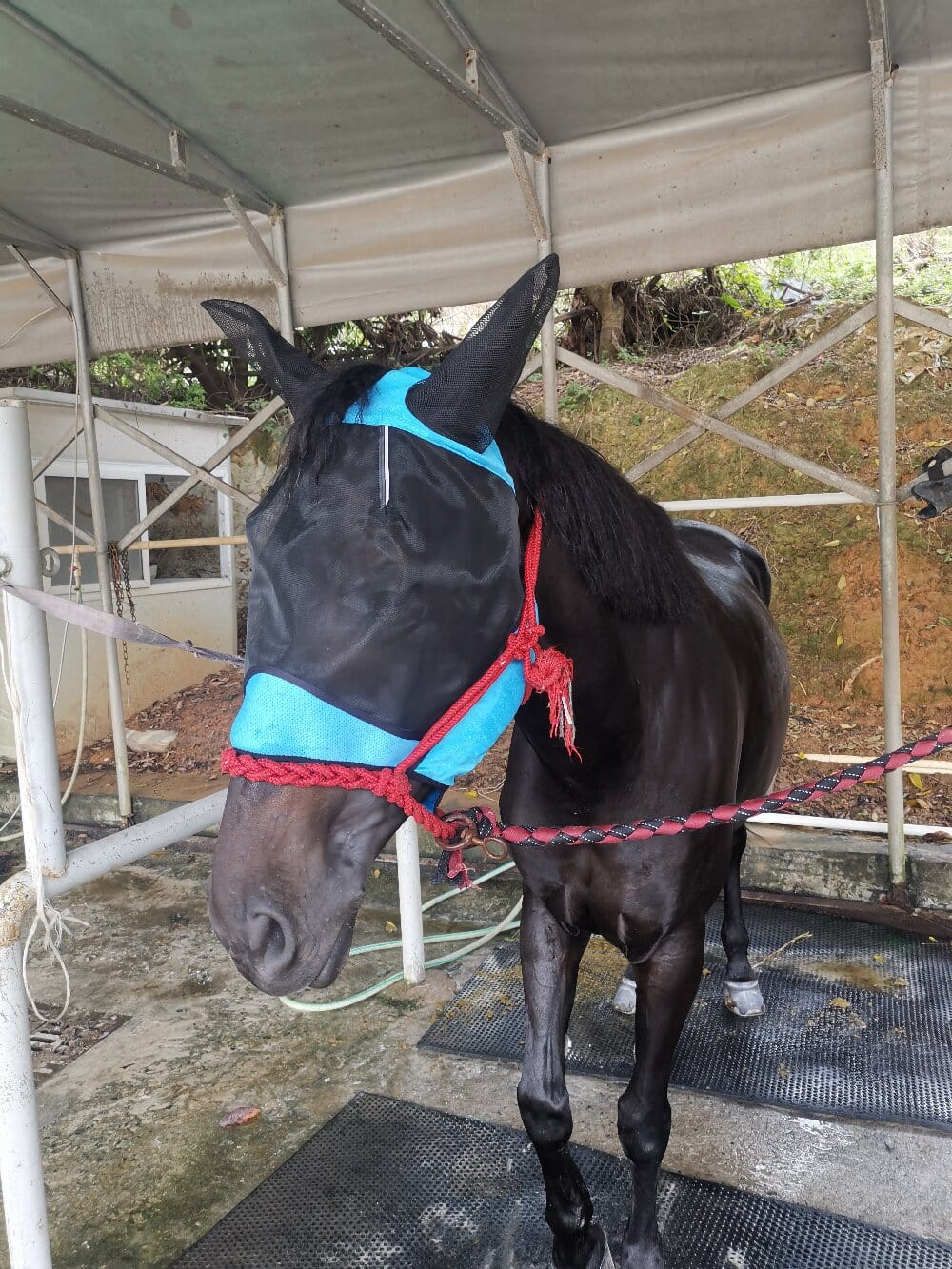
The story of the horse fly mask begins long before synthetic mesh and modern hook-and-loop fasteners. For centuries, equestrians recognized that flies, gnats, and other biting insects posed a genuine threat to their animals, causing irritation, infection, and stress. Historical records from ancient Egypt and Rome mention rudimentary coverings made from woven reeds, leather strips, and cloth that were draped over horses to shield sensitive eyes and ears. These early attempts were crude, but they established a principle that would endure: physical barriers offer the most direct defense against flying pests. The horse fly mask, in its many evolving forms, represents one of the oldest continuous traditions in equine husbandry.
From Folk Remedies to Functional Design in the Horse Fly Mask
During the Middle Ages and into the eighteenth century, stable management texts began to describe more deliberate insect protection. European farriers and grooms often fashioned face coverings from burlap or coarse linen, sometimes treated with oils or herbal preparations believed to repel insects. While the efficacy of these treatments was inconsistent, the underlying design—a mesh or cloth screen positioned away from the eyes—proved sound. By the Victorian era, equine catalogs in Britain and North America advertised “fly veils” and “face nets” for carriage horses and working animals. These items typically featured string ties and simple mesh, and they mark the first commercial appearance of what we would recognize as a horse fly mask.
Materials, Manufacturing, and the Twentieth-Century Refinement
The twentieth century brought transformative changes to equine equipment. The development of durable synthetic fibers such as nylon and polyester allowed manufacturers to produce lightweight, breathable mesh that resisted tearing and weathering. The introduction of elastic edging and adjustable straps improved fit and reduced slippage during exercise. Mid-century equestrian catalogs show a growing variety of designs, including masks with ear covers and fleece-lined browbands. Veterinary research also began to document the benefits of fly protection in reducing eye infections and insect-borne disease transmission, giving scientific weight to a practice long rooted in observation and tradition.
Modern Standards and the Enduring Horse Fly Mask
Today, the horse fly mask is a staple of equine care, available in an array of configurations suited to different climates and activities. Contemporary designs emphasize ultraviolet protection, with many masks blocking a significant portion of harmful solar radiation—a feature particularly valued for horses with lighter coats or sensitive skin. Materials have advanced further, incorporating fine mesh that excludes even tiny biting midges while maintaining airflow. Field studies and user experience have driven refinements in fit, such as longer nose coverage and reinforced binding, addressing common complaints about rubbing and gaps.
Several factors explain the mask’s enduring popularity among horse owners:
- Non-chemical protection that complements topical repellents and insecticides.
- Reduced risk of eye irritation and insect-borne conditions such as conjunctivitis.
- Improved comfort during turnout, travel, and competition in insect-heavy seasons.
- Cost-effective, reusable construction compared with repeated applications of sprays.
Historically, the trajectory of this equipment reflects a broader pattern in equine management: traditional practices are tested, refined, and retained when they demonstrably serve the animal’s welfare. The horse fly mask has survived not through nostalgia but through consistent practical value.
Conclusion
Reviewed across centuries, the horse fly mask illustrates how simple observational wisdom can evolve into a refined, scientifically supported tool. From reed and leather coverings in antiquity to today’s breathable, UV-blocking mesh, the core purpose has remained unchanged: shielding the horse’s face from flying insects and the discomfort they cause. For modern owners and historians alike, the mask stands as a modest but meaningful artifact of equine care—an item whose longevity testifies to its effectiveness and to the enduring bond between humans and horses.