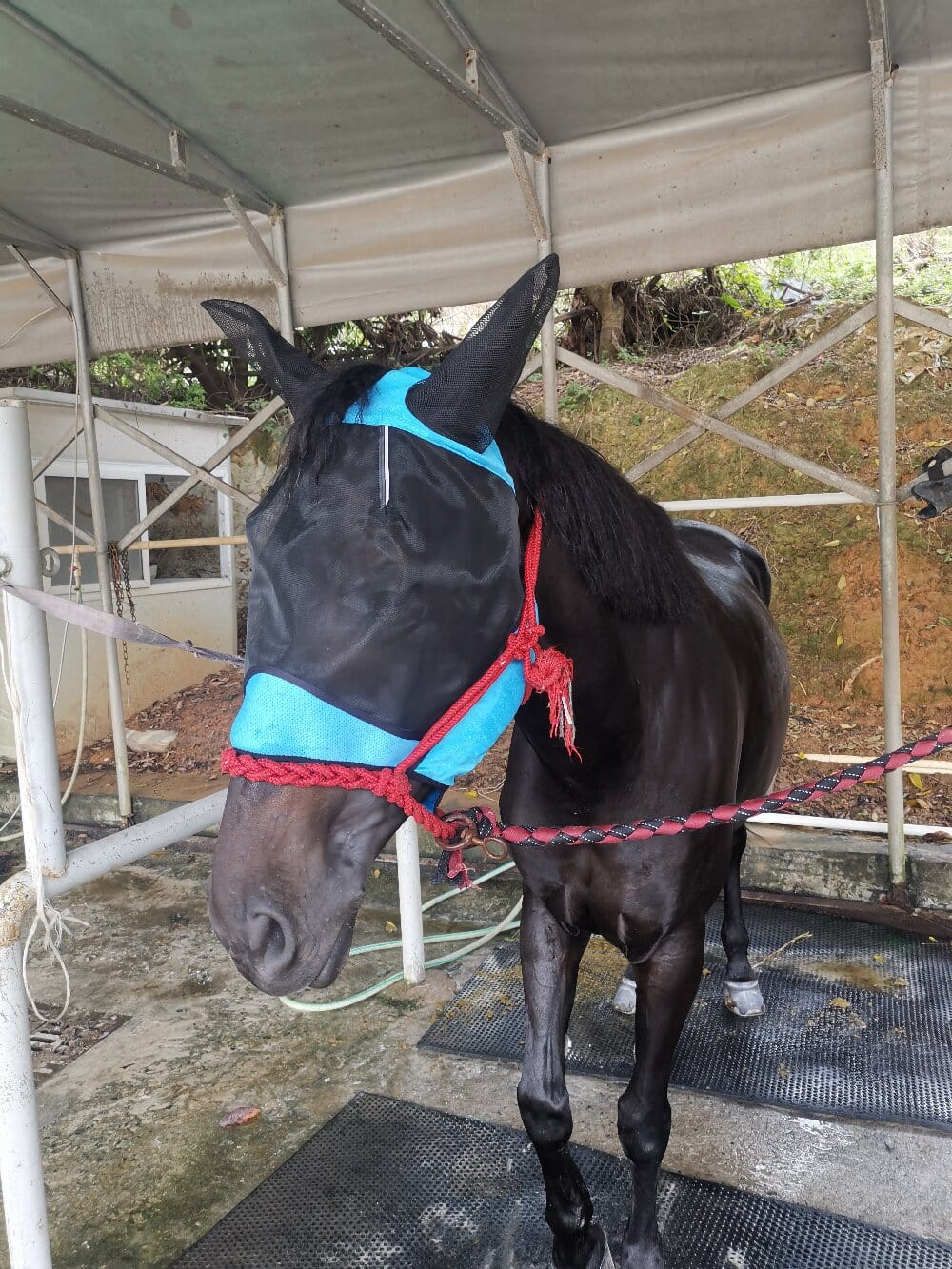
In the equine industry, the horse fly mask has evolved from a simple seasonal accessory into an essential piece of daily protective equipment. As warmer months bring increased insect activity, horse owners, stable managers, and veterinary professionals are paying closer attention to how fly gear affects animal welfare, performance, and long-term health. Industry insights suggest that demand for well-designed fly masks continues to rise, driven by growing awareness of insect-borne disease risks and a broader shift toward preventive care in horse management.
Why the Horse Fly Mask Matters More Than Ever
Flies are more than a nuisance. Biting insects can cause eye irritation, conjunctivitis, and corneal damage, while also serving as vectors for diseases such as equine infectious anemia and pink eye. A properly fitted fly mask creates a physical barrier that reduces these risks without restricting vision or comfort. Manufacturers have responded with improved designs that combine fine mesh fabrics, UV-blocking materials, and ergonomic shaping around the eyes and ears.
From a market perspective, the segment has matured considerably. Where buyers once chose primarily on price, they now evaluate durability, breathability, fit, and field-tested performance. This shift mirrors wider trends in equine equipment, where evidence-based design and rider feedback increasingly shape product development.
Key Features Buyers and Professionals Look For
Industry analysis points to several attributes that define a high-quality fly mask:
- Mesh density and airflow: Fine mesh blocks small insects while maintaining ventilation to prevent overheating.
- UV protection: Fabrics that filter harmful rays help reduce sunburn and photosensitivity issues, particularly in light-skinned horses.
- Ergonomic fit: Ear coverage, fleece padding, and adjustable straps minimize rubbing and slipping during turnout.
- Durability: Reinforced stitching and sturdy binding extend product life across repeated washing and daily use.
- Visibility and safety: Light-colored or reflective options improve visibility in pastures and low-light conditions.
These features are frequently cited in trade publications and buyer surveys as decisive factors, underscoring how technical refinement now drives purchasing decisions in the equine protection category.
Integration into Broader Fly Control Strategies
Veterinarians and barn managers consistently emphasize that a fly mask works best as part of an integrated approach. Combining masks with fly sprays, leg wraps, stable fans, and manure management creates layered protection that reduces insect pressure overall. This systems-based thinking reflects a broader professionalization of equine care, where individual products are evaluated for how well they fit into daily routines rather than as standalone solutions.
Retailers and brands are also responding with education-focused marketing, offering fitting guides, sizing charts, and care instructions. This approach supports customer retention and reduces returns, an important consideration in a competitive equestrian market.
Market Outlook and Practical Takeaways
Looking ahead, the fly mask category appears poised for steady growth, fueled by rising awareness of equine eye health and insect-borne illness prevention. Innovations in fabric technology, sustainable materials, and customizable fits are likely to shape the next generation of products. For buyers, the key is prioritizing fit and function over novelty, while for suppliers, transparency and proven performance will remain the strongest differentiators.
In summary, the horse fly mask has become a cornerstone of responsible horse ownership. By understanding the design features that matter and integrating masks into a comprehensive fly management plan, equine professionals can protect their animals more effectively and support healthier outcomes throughout the fly season and beyond.