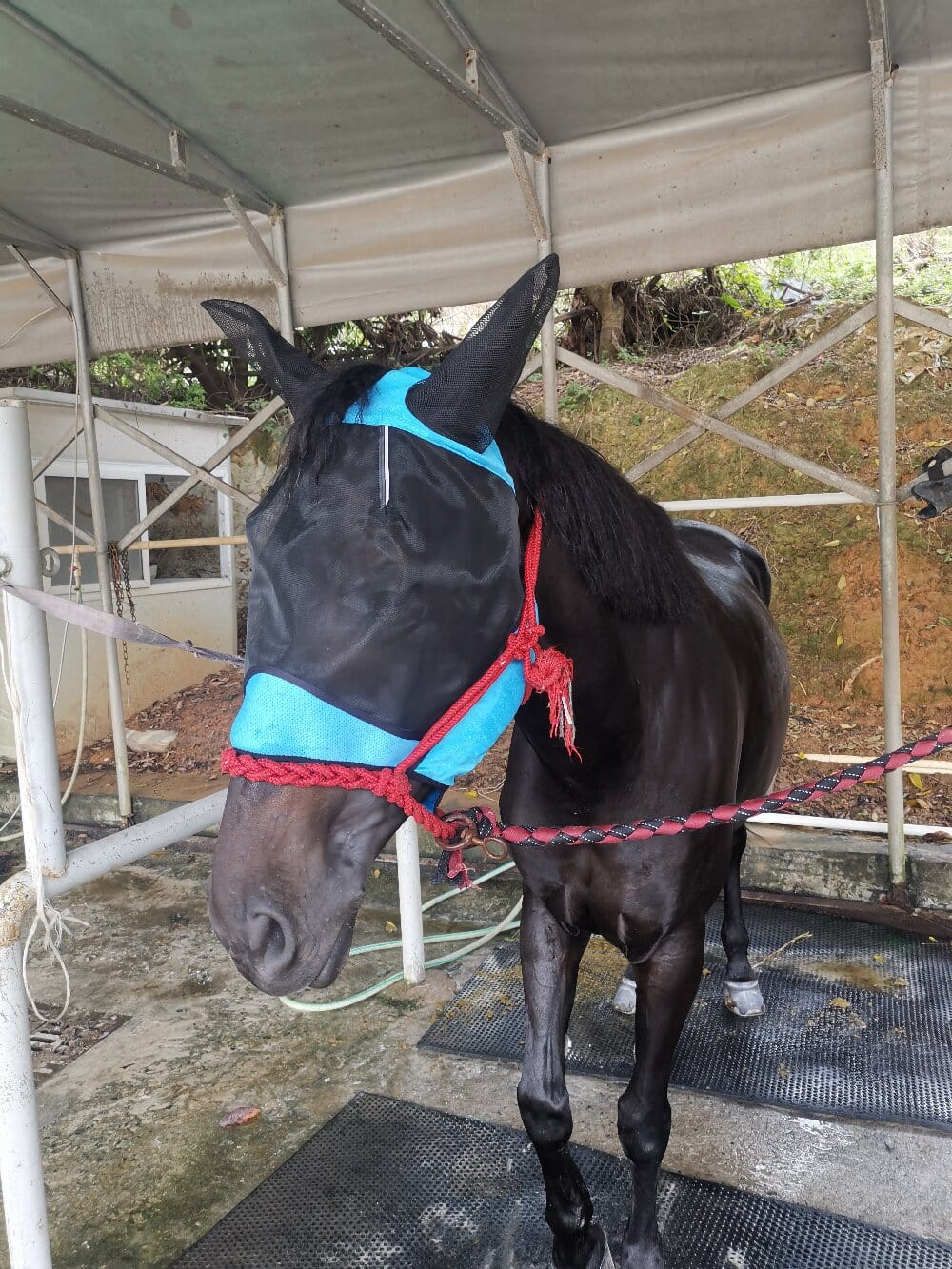
A horse fly mask is an essential piece of equine protective equipment designed to shield a horse’s sensitive face and eyes from flying insects, debris, and harmful UV rays. When comparing the options available on the market, owners quickly discover that not all fly masks are created equal. Materials, fit, visibility, and durability vary significantly, and understanding these differences is key to selecting the right protection for a specific horse and its environment. A comparative look at the leading designs reveals important trade-offs that every equestrian should consider.
The foundation of any fly mask is its mesh. Products generally fall into two categories: fine-mesh and heavy-duty mesh. Fine-mesh masks, often made from tightly woven polyester or nylon, excel at blocking even the smallest gnats and midges. They are ideal for horses with sensitive skin or those prone to sweet itch. Heavy-duty masks, by contrast, use coarser mesh that offers greater airflow and durability against rubbing and tearing, but they may allow tiny insects to pass through.
Another point of comparison is UV protection. Some masks incorporate UV-blocking fabric that can reduce sun bleaching and lower the risk of certain eye conditions. Cheaper alternatives often skip this feature. When weighing cost against long-term health benefits, masks with verified UV ratings tend to offer better value for horses turned out in bright, exposed pastures.
Fit and Fastening Systems Compared
Fit is where fly masks differ most dramatically. A poorly fitted mask can slip, rub, or allow insects to reach the eyes, defeating its purpose. Comparative testing shows three common fastening designs:
- Single Velcro strap under the jaw: Simple and quick to apply, but can shift during vigorous activity.
- Double Velcro straps (jaw and poll): More secure, though slightly slower to put on and remove.
- Elastic or buckle closures: Adjustable and durable, but require more careful sizing.
Ear coverage is another differentiator. Some masks include ear covers to protect against biting flies, while others leave ears exposed for better hearing and airflow. Horses with long or wide heads often need brands that offer extended sizing, so comparing measurement charts before purchase is advisable.
Visibility, Comfort, and Eye Protection
A frequent concern among owners is whether a horse fly mask impairs vision. Comparative studies and rider feedback indicate that well-designed masks position mesh away from the eyes, creating a slight bubble that maintains peripheral vision. Cheap masks that sit flat against the face can obscure sight and cause rubbing. Soft binding around the edges and fleece-lined brow bands are signs of superior comfort and reduce the risk of pressure sores during long turnout sessions.
Durability and Maintenance: A Cost Comparison
Price alone is a misleading metric. A budget mask may need replacement every few weeks, while a reinforced, stitched-edge model can last multiple seasons. Comparing total cost of ownership favors masks with double-stitched seams, reinforced nose panels, and breathable yet tough fabrics. Most fly masks are machine washable, but checking care instructions matters; some materials lose their UV treatment after repeated hot washes. Rotating two masks extends the lifespan of both and keeps protection consistent.
Summary
Choosing the best fly mask requires balancing mesh density, fit, fastening style, visibility, and durability. Fine-mesh designs suit insect-sensitive horses, while heavy-duty options favor durability and airflow. Secure double-strap closures and bubble-style eye clearance generally outperform simpler designs. By comparing these features rather than price alone, owners can provide reliable, comfortable protection that lasts through the fly season.