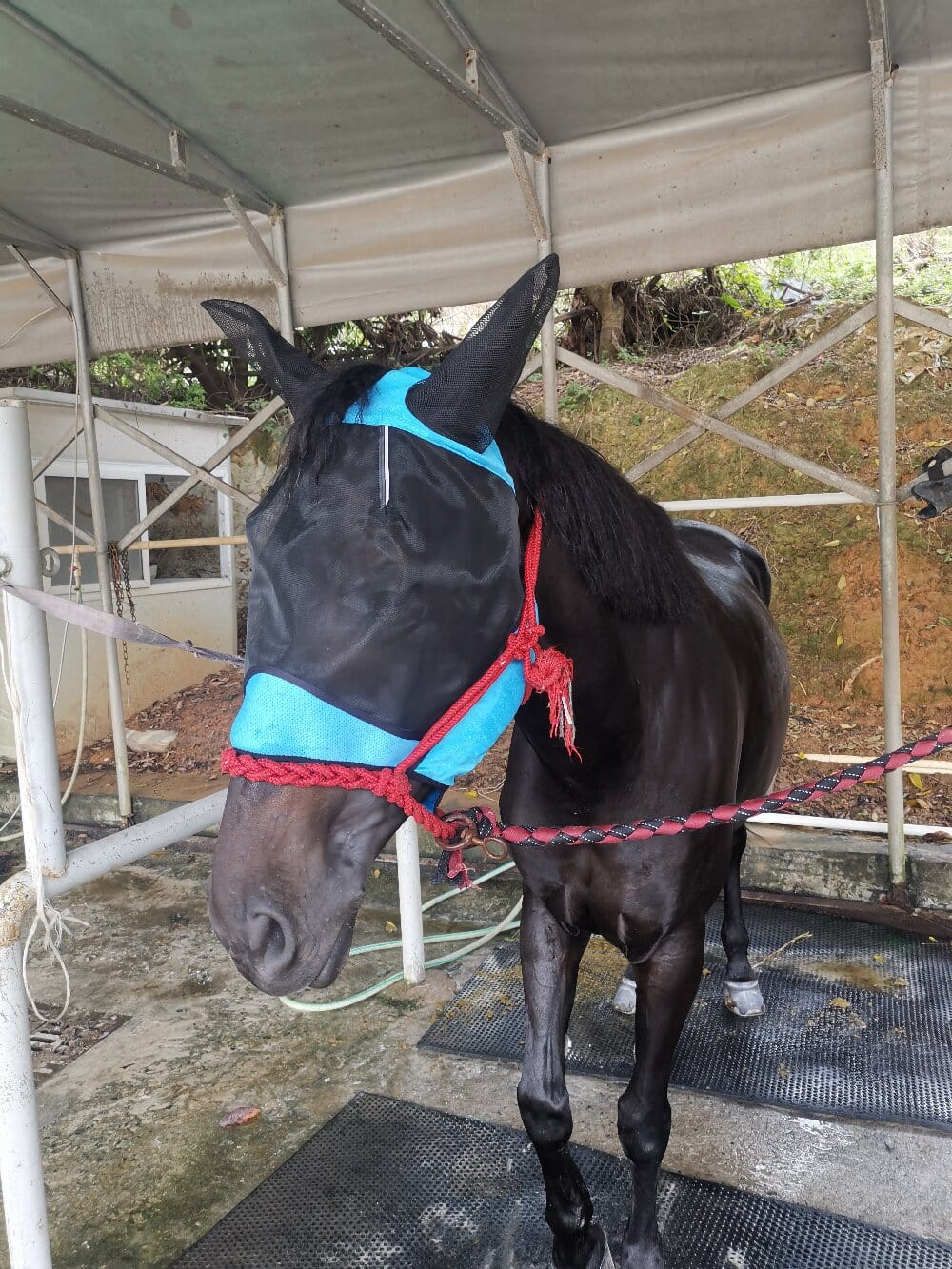
In the equestrian industry, the horse fly mask has evolved from a simple seasonal accessory into a core piece of protective gear that veterinarians, trainers, and stable managers now treat as standard equipment. Industry insights reveal that demand has grown steadily as owners recognize the link between insect pressure and everything from reduced performance to serious eye conditions. This shift reflects a broader movement toward preventive care, where smart barn management starts long before a problem appears.
Industry Insights: What Is Driving Demand for Fly Protection?
From a manufacturer’s perspective, several forces are reshaping the market. Warmer, longer insect seasons in many regions have extended the period during which flies, gnats, and midges harass horses. At the same time, awareness of insect-borne diseases and photosensitivity has risen sharply among owners. Retailers report that consumers now ask detailed questions about mesh density, UV blocking, and fit rather than simply grabbing the cheapest option on the shelf.
Another factor is the rise of sensitive-skinned and senior horses. As the equine population ages, products that prevent self-trauma from rubbing and biting have become a priority for caretakers who want to avoid unnecessary veterinary costs.
Design Features Buyers Should Evaluate
A quality face covering is more than fabric and straps. Industry professionals recommend examining several characteristics before purchasing:
- Mesh weave: Fine mesh keeps out tiny biting midges, while coarser mesh offers better airflow and durability.
- UV protection: Rated fabrics shield pink-skinned horses from sunburn and photosensitivity reactions.
- Fit and adjustability: Ergonomic shaping, fleece padding, and multiple touchpoints reduce slippage and rubbing.
- Ear and forelock options: Removable or integrated ear covers protect against flies without trapping heat.
- Durability: Reinforced binding and quality fasteners extend usable life across a full season.
Who Benefits Most from Daily Wear?
Veterinarians point to specific groups that gain outsized value from consistent use. Horses with light-colored faces, those recovering from eye injuries, and animals living near standing water face elevated risk from flying insects. Trainers also appreciate that fussy horses concentrate better when they are not constantly swatting at their heads. For competition horses, a well-fitted mask during turnout helps preserve coat condition and reduces stress before events.
Practical Usage and Care Guidance
Effective deployment matters as much as product choice. Industry specialists suggest introducing the mask gradually, checking it daily for fit and wear, and washing it regularly with mild soap to remove sweat and debris. Inspecting straps for fraying prevents field losses, while rotating between two masks extends product lifespan. Owners should also pair masks with other integrated pest strategies, such as manure management and strategic turnout timing, to maximize results.
Market Outlook and Final Takeaways
Looking ahead, the category is moving toward smarter materials, improved ergonomics, and greater customization for head shapes and discipline-specific needs. Buyers increasingly expect transparency about UV ratings and manufacturing standards, and brands that deliver measurable protection will lead the market.
In summary, a well-chosen horse fly mask is a practical investment in comfort, health, and performance. By focusing on fit, mesh quality, UV protection, and consistent care, owners can protect their animals through the toughest insect months and support long-term wellbeing across the herd.