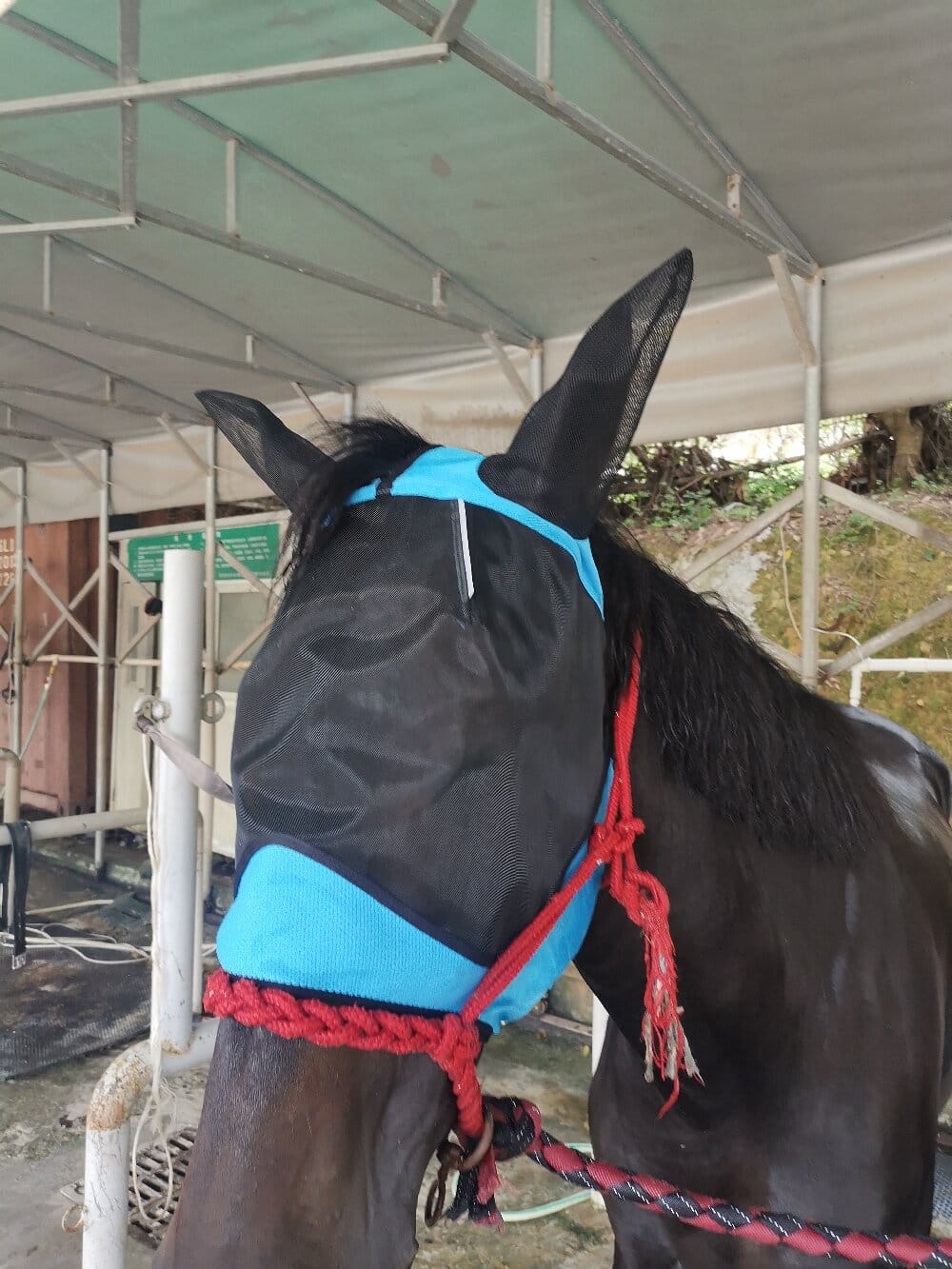
In the equestrian industry, the horse fly mask has evolved from a simple seasonal nuisance barrier into a sophisticated piece of protective equipment that influences comfort, training consistency, and even skin health. Manufacturers, veterinarians, and stable managers now view fly protection through a performance lens, recognizing that an irritated horse is a distracted horse. From the paddock to the arena, the humble fly mask is quietly becoming one of the most scrutinized accessories in the tack room.
Industry Insights: What Is Driving Demand for the Horse Fly Mask?
Several forces are reshaping the market. First, changing climate patterns have extended fly seasons in many regions, meaning owners need reliable protection for more months of the year. Second, the rise of sensitive-skin awareness has pushed buyers toward breathable, lightweight fabrics that reduce heat buildup. Third, equine welfare standards at competitions increasingly encourage fly protection during warm-weather events.
- Material innovation: UV-blocking mesh, soft binding, and fleece-lined edges are now baseline expectations.
- Design specialization: masks with ear coverage, nose extensions, and removable components serve different disciplines.
- Durability economics: buyers are weighing cost-per-season rather than sticker price alone.
From a retailer’s perspective, the category has shifted from a commodity add-on to a margin-friendly staple with strong repeat purchase patterns.
Multi-Perspective View: How Different Stakeholders Evaluate Fly Protection
Veterinarians tend to focus on fit and airflow. A poorly fitted mask can rub the face, trap debris, or restrict peripheral vision, creating more problems than it solves. They emphasize daily inspection, especially around the eyes and ears, and recommend rotating masks so damp or soiled gear does not sit against the skin.
Trainers and riders, by contrast, care about behavioral outcomes. A horse bothered by flies may toss its head, resist bridling, or lose focus during groundwork. A well-designed fly mask reduces these distractions, supporting more consistent schooling sessions. Many professionals keep spare masks in the tack trunk the way they keep spare gloves.
Owners and barn managers weigh practicality: ease of laundering, adjustable closures, and whether the mask stays put during turnout. Consumer reviews frequently highlight strap security and visibility as deciding factors, which tells manufacturers that engineering details matter as much as aesthetics.
Buying Considerations for Equine Fly Masks
Choosing the right protective face gear requires matching the product to the horse and the environment. Key evaluation points include:
- Fit and adjustability: Look for multiple touch-point closures and enough clearance around the eyes.
- Mesh quality: Finer mesh blocks tiny insects, while adequate ventilation prevents overheating.
- Coverage options: Ear and nose protection help in high-pressure fly zones but should not compromise comfort.
- Washability: Removable elements and machine-washable fabrics extend service life.
- Visibility: Reinforced eye areas and light-colored materials help owners spot issues quickly.
Industry analysts also note growing interest in coordinated protection systems, where masks pair with fly sheets and leg wraps for full-body defense. This bundling trend benefits both horse welfare and retail basket size.
Conclusion: Protection That Pays Dividends
Viewed through an industry lens, the fly mask is no longer a minor accessory but a meaningful investment in equine comfort and training reliability. Veterinarians remind us to prioritize fit and hygiene, trainers value the behavioral benefits, and owners appreciate durable, washable designs. As materials improve and designs diversify, selecting the right horse fly mask becomes a strategic decision—one that supports healthier skin, calmer horses, and more productive time in the saddle.