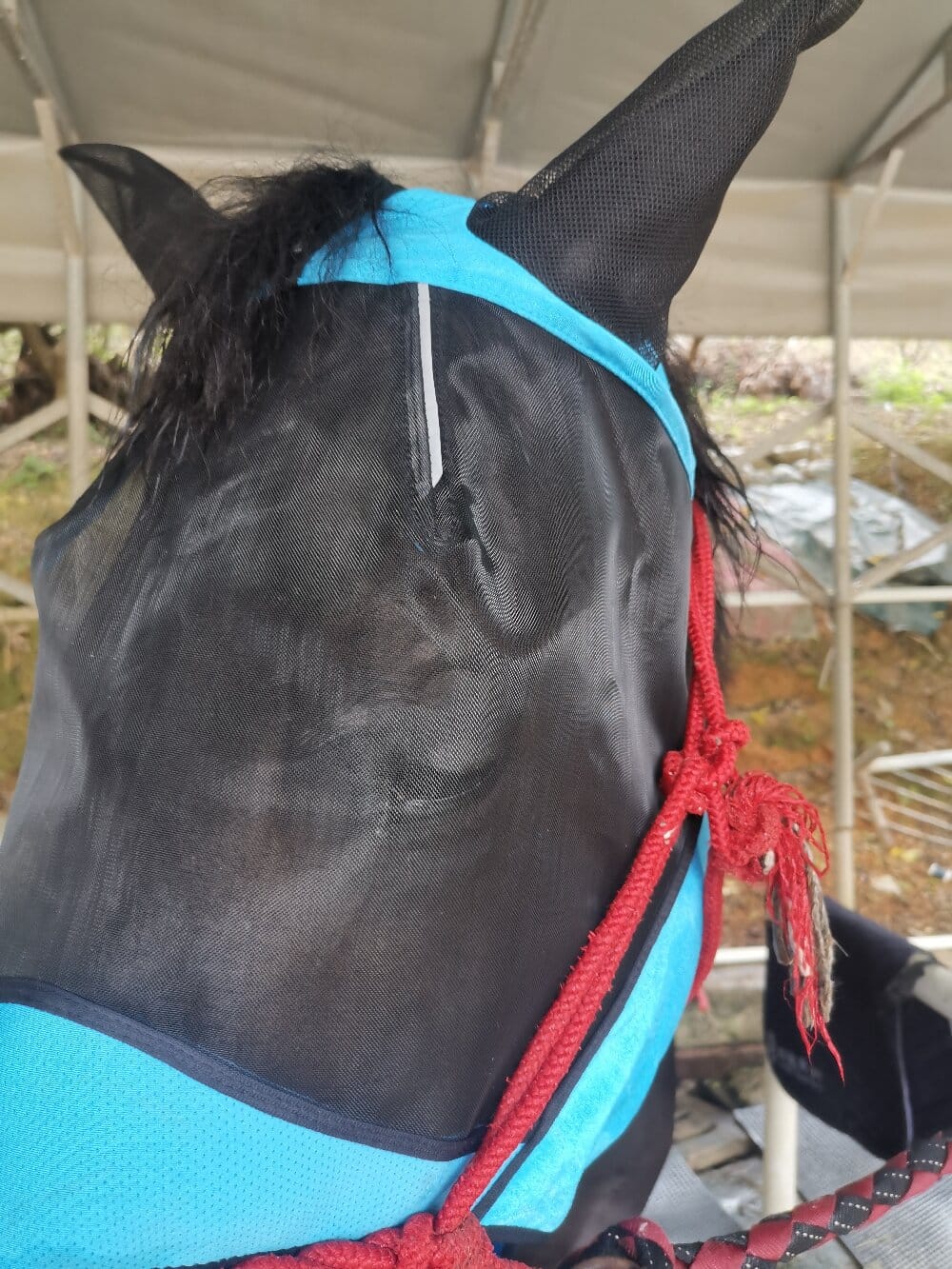
In the equine care market, the horse fly mask has evolved from a simple seasonal accessory into a product category defined by material science, veterinary insight, and rider demand. Industry analysts note that fly season now drives a distinct purchasing cycle, with owners treating facial protection as essential equipment rather than an afterthought. This shift reflects broader trends in animal welfare, where insect-borne irritation and eye conditions are recognized as manageable risks with the right gear.
Horse Fly Mask Design: What Buyers and Manufacturers Are Prioritizing
From a manufacturing standpoint, the modern fly mask for horses balances three competing priorities: visibility, ventilation, and durability. Suppliers report that mesh density is the most debated specification, because finer mesh blocks smaller insects but can reduce airflow and alter the horse’s field of view. Leading designs now use structured mesh panels that hold away from the eyes, reducing rub points during turnout.
Veterinarians and farriers who advise clients often emphasize fit over features. A mask that shifts or traps heat can create more problems than it solves, particularly in humid climates. As a result, brands are investing in adjustable straps, fleece binding, and ergonomic ear and muzzle configurations that accommodate different head shapes across breeds.
Materials and Manufacturing Insights Behind Modern Fly Masks
Textile engineers describe a quiet revolution in the fabrics used for equine face protection. UV-stabilized polymers, breathable knits, and reinforced nose panels are now standard in mid-to-premium ranges. These materials extend product life under sun exposure and repeated washing, which matters to barn managers who rotate masks across multiple horses.
Another industry insight concerns testing. Reputable manufacturers run abrasion and tear-resistance trials, and some publish mesh ratings that help consumers compare products objectively. Retail buyers increasingly ask for this data, pushing smaller suppliers toward more transparent specifications.
Market Perspectives: Owners, Vets, and Retailers Weigh In
Recreational owners tend to prioritize comfort and ease of use, while competitive stables focus on durability and consistent fit under tack. Veterinarians frequently recommend masks as part of a broader insect-control strategy that includes stabling during peak fly hours, manure management, and topical repellents. Retailers, meanwhile, report growing interest in masks with ear covers and nose fringe, especially in regions with severe horn fly and face fly pressure.
Regional differences also shape demand. In hot, arid climates, ventilation and light-colored fabrics dominate. In wetter areas, quick-drying materials and antimicrobial treatments gain traction. This segmentation is prompting brands to offer expanded size ranges and climate-specific lines rather than a single universal design.
Practical Selection Criteria for Horse Fly Mask Buyers
- Check mesh rating and UV protection claims against local insect pressure.
- Confirm strap adjustability and fleece padding at pressure points.
- Verify eye clearance so lashes do not contact the mesh.
- Consider ear and nose coverage based on pasture conditions.
- Review washing instructions and expected lifespan.
Industry observers also recommend inspecting masks regularly for wear, since frayed edges can cause abrasions. Pairing facial protection with fly sheets and leg wraps creates a layered defense that most equine care professionals endorse.
Conclusion
The equine fly mask market is maturing rapidly, driven by better materials, clearer specifications, and informed consumers. Whether the priority is veterinary prevention, turnout comfort, or show-ring readiness, understanding design trade-offs helps buyers choose protection that genuinely works. As manufacturers continue to refine fit and fabric technology, facial fly protection will remain a cornerstone of responsible horse care.