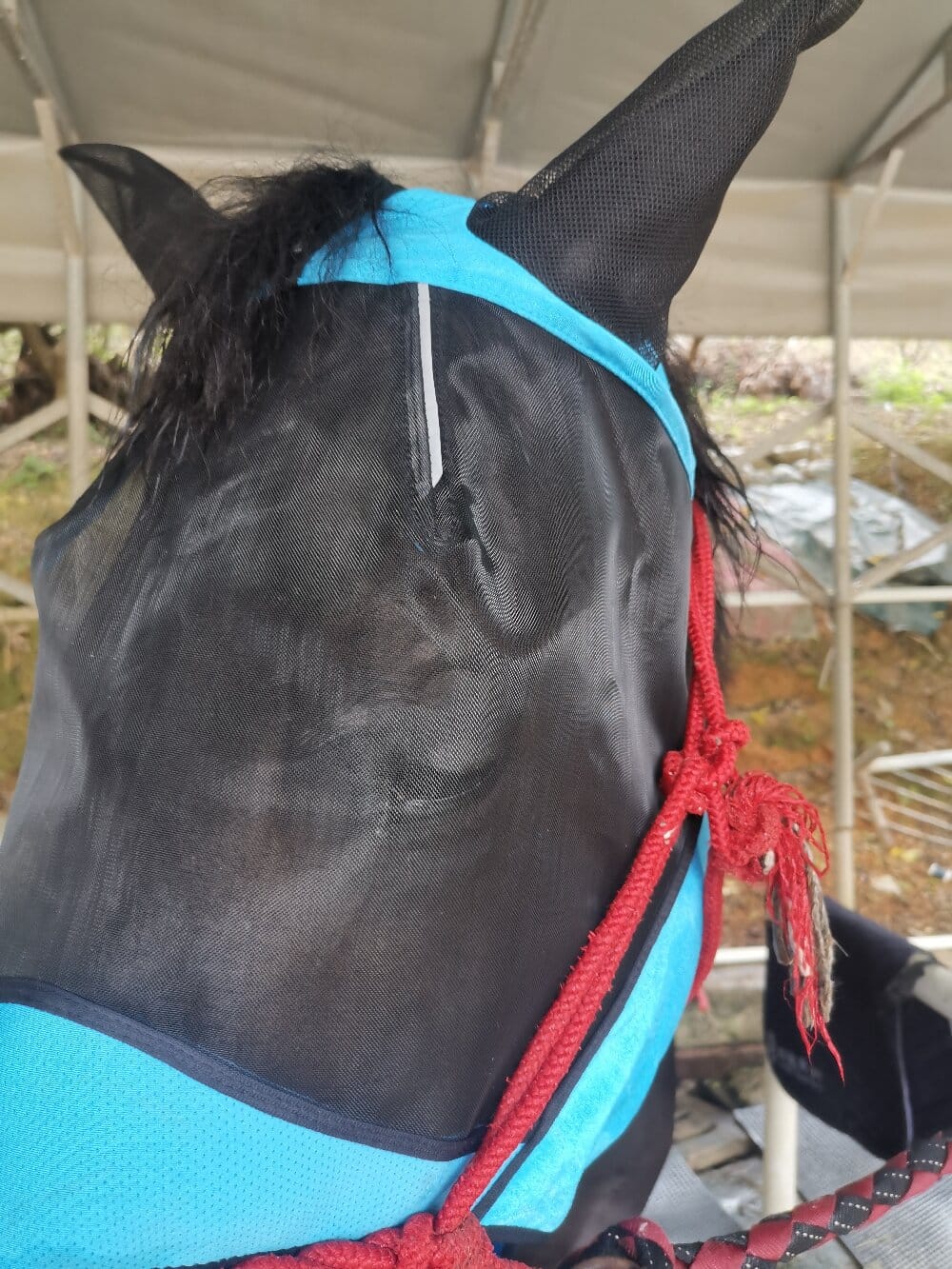
Few pieces of equestrian equipment provoke as much debate as the horse fly mask. Some owners swear by them, claiming their horses are calmer and healthier during insect season, while skeptics argue that these mesh covers are overpriced accessories with questionable benefits. Approaching the topic with critical thinking means examining the evidence from multiple angles—veterinary science, horse behavior, practical field experience, and economics—rather than accepting marketing claims at face value. A fly mask is, after all, a simple concept: a breathable mesh covering that shields a horse’s eyes, ears, and sometimes muzzle from flies, dust, and UV light. But does it truly deliver on its promises?
What the Horse Fly Mask Actually Does—and What It Doesn’t
From a physiological standpoint, the primary function of an equine fly mask is straightforward. It creates a physical barrier against biting insects such as face flies and stable flies, which congregate around the eyes and ears. Reducing irritation can lower stress hormones and prevent secondary issues like conjunctivitis or insect-borne infections. Critical observers, however, point out important limitations. A poorly fitted mask can rub the face, trap debris, or restrict peripheral vision, potentially causing spooking. Mesh density matters too: finer mesh blocks smaller insects but reduces airflow, while coarser mesh offers better ventilation but weaker protection. Neither design eliminates flies entirely—masked horses still get bitten on the body and muzzle unless paired with fly spray, sheets, and environmental management. In other words, the horse fly mask is a tool within a broader strategy, not a standalone solution.
Perspectives from Owners, Veterinarians, and Skeptics
Listening to different stakeholders reveals a nuanced picture. Many horse owners describe dramatic improvements: fewer eye infections, less head tossing, and calmer turnout sessions. Veterinarians tend to be cautiously supportive, noting that masks can help prevent corneal damage and reduce exposure to UV rays, which is particularly valuable for horses with uveitis or pale skin around the eyes. Yet some clinicians warn that masks left on for days can conceal swelling, discharge, or injuries, delaying treatment. Skeptics raise economic and welfare questions: do the benefits justify the cost when a well-managed pasture with fly predators and fans achieves similar results? Their argument has merit, especially for horses that tolerate masks poorly. The balanced conclusion is that fly masks for horses work best when chosen thoughtfully, fitted correctly, and removed daily for inspection.
Choosing and Using a Horse Fly Mask Critically
Applying critical thinking to purchasing decisions means asking specific questions rather than defaulting to brand loyalty or price. Consider the following checklist:
- Fit: Does the mask sit clear of the eyes and allow full eyelid movement without gaps that invite flies?
- Material: Is the mesh durable yet breathable, with soft edging to prevent rubs?
- Coverage: Are ear covers and nose protection necessary for your horse’s specific pest pressures?
- Visibility: Does your horse remain relaxed and confident while wearing it, or show signs of reduced vision?
- Maintenance: Can it be washed regularly to remove sweat, dirt, and bacteria?
Equally important is rotation. Leaving a mask on around the clock, season after season, invites skin problems and dependency on a single control method. Pairing the mask with pasture hygiene, fly traps, and timed turnout shows a more evidence-based approach to insect management.
Conclusion: Evidence Over Assumption
The horse fly mask is neither miracle nor gimmick—it is a useful, context-dependent device. Critical thinking and multi-perspective evaluation suggest it offers genuine welfare benefits when correctly fitted and integrated into a comprehensive fly-control plan. Owners should weigh veterinary guidance, their horse’s individual tolerance, and practical management realities. By questioning claims and observing outcomes, equestrians can decide whether this humble mesh cover earns its place in the tack room.