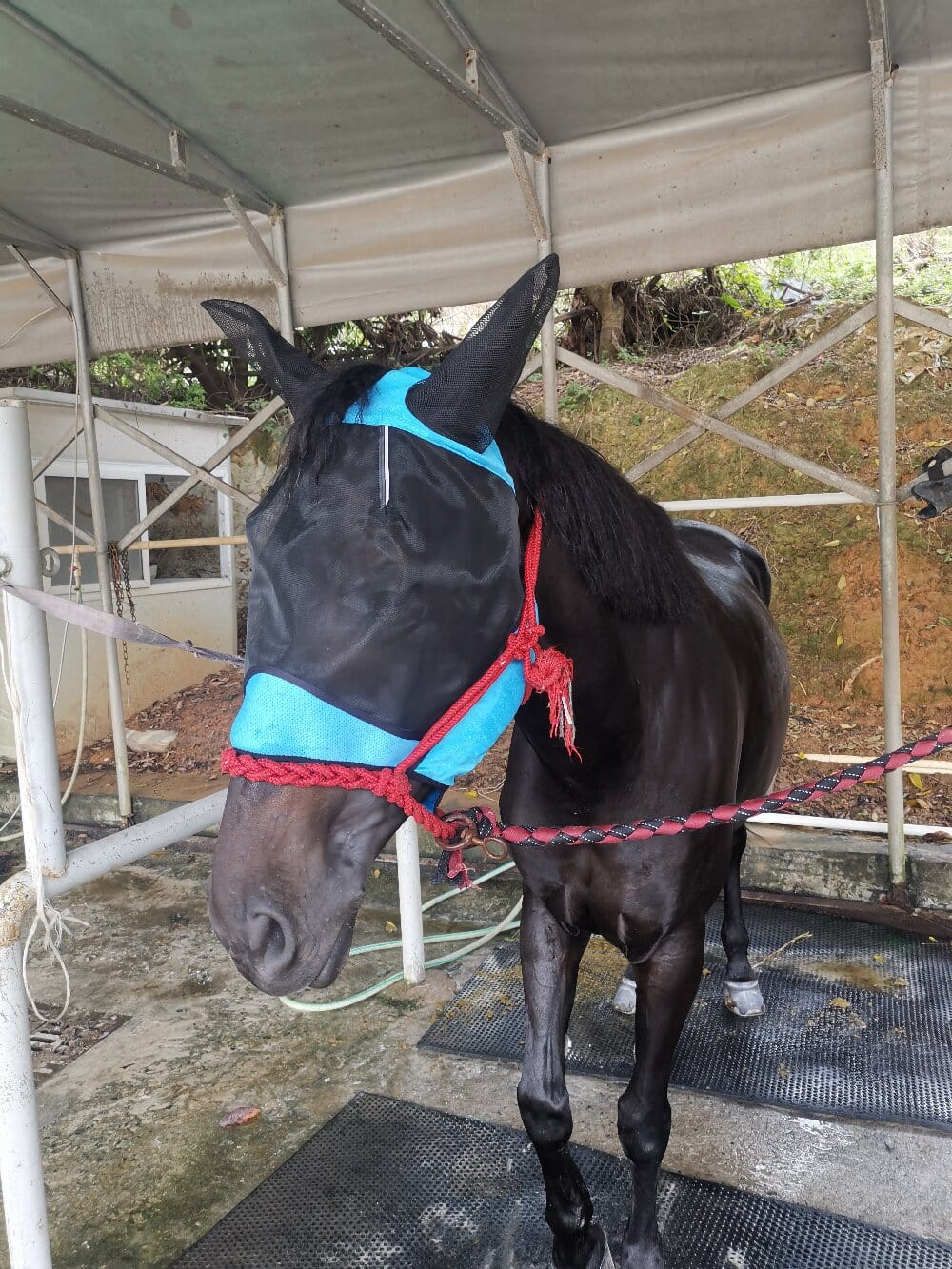
If you have spent any time around stables or browsing equestrian catalogs, you have likely seen a horse fly mask advertised as an essential summer purchase. Before you add one to your cart, though, it is worth asking a few critical questions. Does a horse fly mask actually solve the problems it claims to solve, or does it simply shift them elsewhere? By examining the evidence rather than the marketing, you can make a smarter decision for your horse and your wallet.
What a Horse Fly Mask Really Does—and Doesn’t Do
Manufacturers promise protection from flies, gnats, and UV rays, and to be fair, a well-fitted mask can reduce irritation around the eyes and ears. But critical thinking requires you to separate capability from guarantee. A mesh screen blocks some insects, yet it cannot stop the persistent ones that crawl under edges or gather at the throat. Likewise, UV protection varies wildly by fabric density and color. Ask yourself: are you buying measurable protection, or just the feeling of protection?
Consider these practical questions before purchasing:
- Does the mesh density match the size of the insects in your region?
- Is the fit adjustable enough to prevent rubbing without leaving gaps?
- Has the manufacturer published UV testing data, or only vague claims?
- Will the mask stay secure during turnout, rolling, and pasture play?
Weighing the Trade-Offs of Daily Mask Use
Every piece of equine gear involves compromise, and fly masks are no exception. On the positive side, they can reduce eye irritation, lower sun exposure, and help keep insects away from sensitive skin. On the other hand, poor fit causes rub marks, trapped debris, and even corneal scratches if a mask shifts at the wrong moment. You should also question how often you will inspect and clean it—dirty mesh becomes a breeding ground for bacteria and a magnet for grit.
Think about your horse’s temperament and living situation. A horse that routinely removes masks or panics when vision is restricted may not be a good candidate, regardless of how many five-star reviews the product has. Observation beats assumption every time.
How to Evaluate a Fly Mask Like a Skeptic
Instead of trusting the first product page you find, apply a simple evaluation framework. Start with materials: breathable mesh, reinforced seams, and soft binding are signs of thoughtful design. Next, check fit adjustability—velcro straps and elastic edges should allow a snug but comfortable seal. Then look for transparency: reputable brands disclose testing standards, warranty terms, and care instructions.
You can also compare real-world feedback against the claims. Look for patterns in reviews rather than isolated complaints, and pay attention to comments about durability after washing. If a seller cannot answer basic questions about mesh grade or UV rating, that silence tells you something useful.
Alternatives and Complementary Strategies
A fly mask is one tool, not a complete insect-control plan. Pair it with sensible management: removing standing water, managing manure, using fans in stalls, and scheduling turnout for lower-insect hours. In some cases, fly sheets, repellents, or topical treatments may address body irritation more effectively than a mask alone. The critical question is whether each product earns its place in your routine.
Conclusion: Make an Informed Choice
Questioning the hype around a horse fly mask does not mean rejecting it outright—it means buying with intention. Assess fit, materials, transparency, and your horse’s individual needs before spending money. When you demand evidence instead of promises, you protect your horse’s comfort and your budget at the same time.