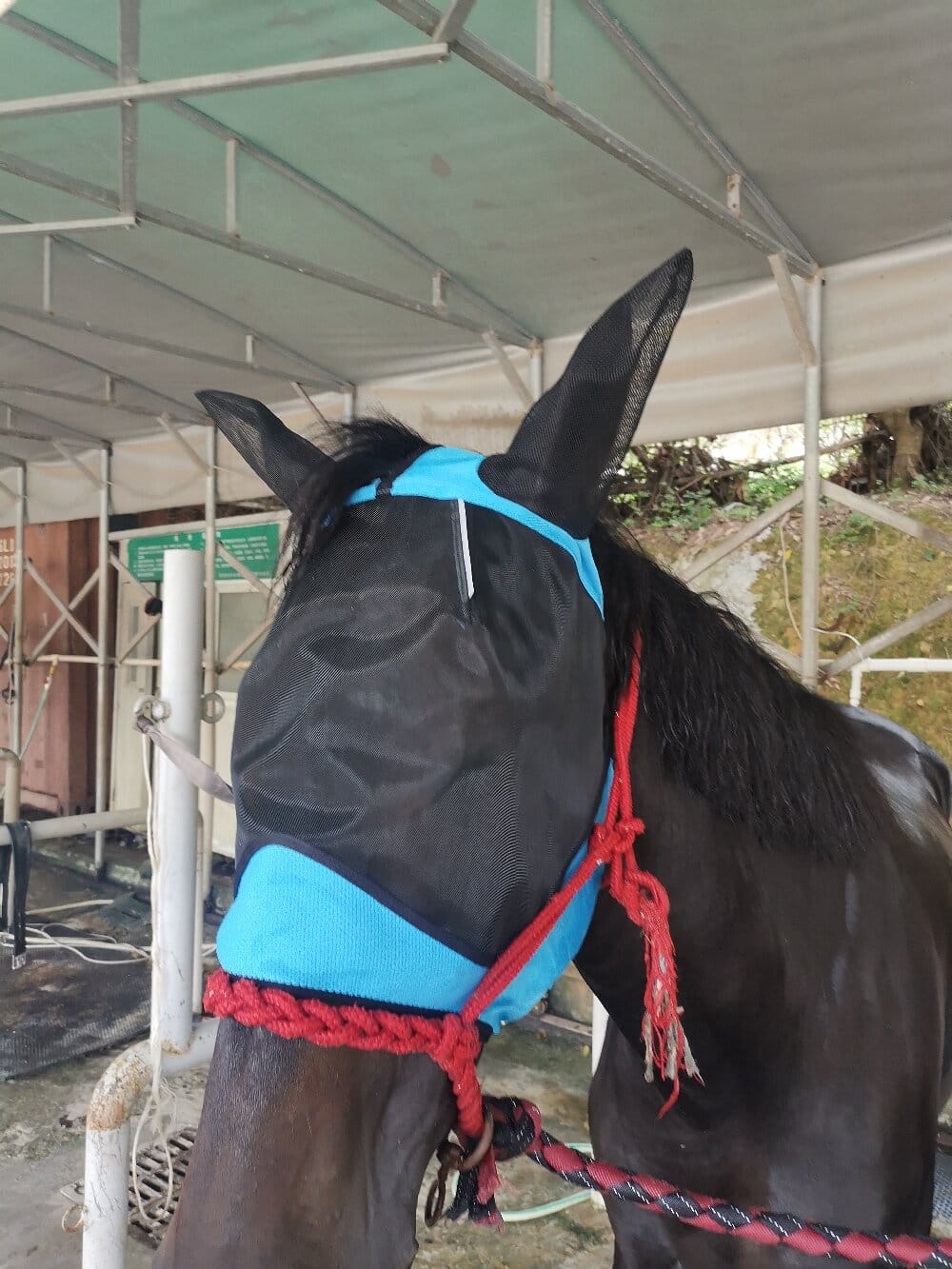
Last summer, my mare Juniper came in from the pasture with her eyes squeezed shut and a cluster of flies buzzing around her face. I had tried sprays, wipes, and roll-ons, but nothing lasted more than an hour in the heat. That was the moment I decided to take fly protection seriously, and a horse fly mask became the centerpiece of my strategy. What follows is a case study of how one piece of gear changed my daily routine, my horse’s comfort, and even my vet bills.
My Case Study: Juniper, a Fly Magnet
Juniper is a sensitive chestnut mare who lives out on 24/7 turnout. She is the kind of horse that attracts every biting insect within a mile. Within days of the first warm spell, she developed crusty discharge around her eyes and rubbed the hair off her face. My vet confirmed insect hypersensitivity and suggested I combine environmental management with physical barriers. That advice led me straight to fly masks for horses, and I began testing them in earnest.
What I Learned About Choosing a Horse Fly Mask
Not all masks are created equal, and my first purchase proved it. The cheap mesh mask I bought online frayed within two weeks and slipped constantly. Here is what I now look for before spending money:
- Fit and adjustability: Look for wide hook-and-loop straps and a shape that follows the horse’s head rather than pulling at the ears.
- Mesh quality: Fine, durable mesh keeps out tiny gnats while still allowing airflow and visibility.
- Ear and forelock protection: Removable ear covers help with face flies, while a forelock opening keeps hair out of the eyes.
- UV protection: A mask with UV-blocking fabric also reduces sunburn on pink-skinned noses.
- Durability: Reinforced binding and double stitching survive turnout with other horses.
My second attempt was a breathable fly mask with fleece padding along the browband. Juniper stopped rubbing within a week, and the swelling around her eyes subsided.
How I Built a Routine Around the Mask
Consistency mattered as much as the product itself. I now follow a simple daily checklist that takes under five minutes:
- Check the mask for wear and clean it weekly with mild soap.
- Inspect the eyes and ears before putting it on.
- Rotate two masks so one can dry after rain.
- Pair the mask with a fly sheet and fans in the barn for full-body relief.
I also learned to introduce the mask slowly. Juniper initially objected, so I rewarded her with treats each time I fastened the straps. Within three days she stood quietly.
Results From My Case Study
By midsummer, the difference was measurable. Juniper’s eye discharge cleared, she stopped head-shaking in the field, and my vet visit costs dropped. The mask also reduced the need for chemical repellents, which mattered to me because I wanted fewer products on her skin. Over one season, a single well-made horse fly mask outlasted three bottles of spray and did a better job.
Final Thoughts
If your horse suffers from flies, a quality fly mask is one of the most cost-effective investments you can make. My case study with Juniper showed that fit, durability, and daily routine matter more than price alone. Choose a well-fitted mask, check it often, and combine it with good barn management. Your horse will thank you with quieter eyes and calmer turnout.