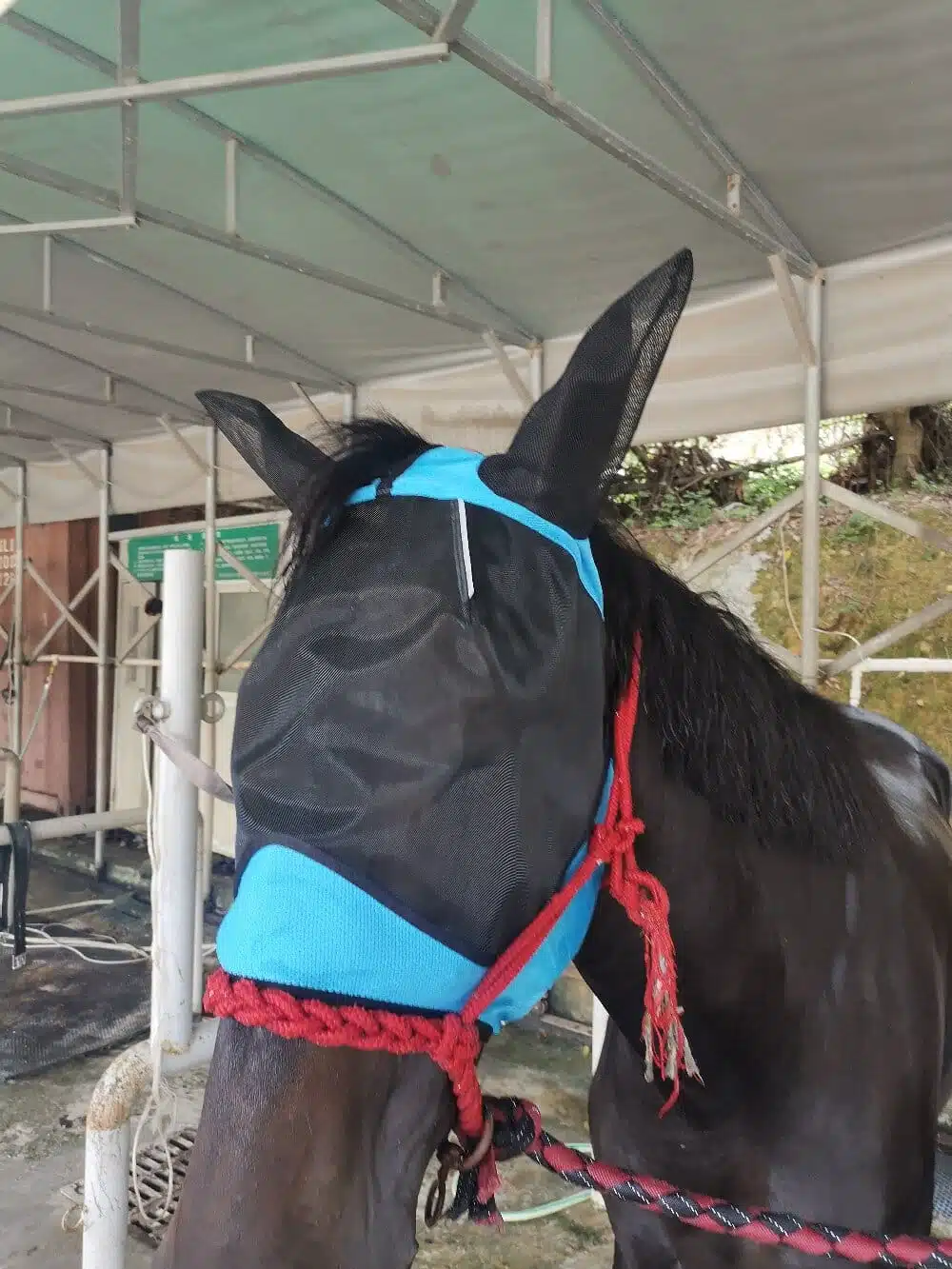

As equine care continues to advance, the horse fly mask is poised to transform from a simple mesh shield into a sophisticated piece of protective technology. In the coming decade, researchers and manufacturers will likely integrate smart materials, responsive fabrics, and data-driven design into these essential accessories, reshaping how owners protect their animals from insects and environmental hazards. This evolution will not merely improve comfort; it will redefine the standards of equine welfare.
Smart Fabrics and the Next Generation of Horse Fly Mask Design
Future horse fly masks will likely incorporate advanced textiles that adapt to changing conditions. Imagine a mask woven with micro-sensors that detect insect pressure and adjust mesh density accordingly. Such fabrics could repel flies more effectively while maintaining airflow, reducing the risk of overheating. Additionally, self-cleaning surfaces may become standard, using photocatalytic coatings that break down dirt and organic matter when exposed to sunlight. These innovations will extend the lifespan of each mask and reduce maintenance for horse owners.
Beyond materials, structural design will also evolve. Ergonomic engineering will prioritize fit and freedom of movement, with adjustable straps and pressure-point mapping to prevent rubbing. Future models may feature modular components, allowing owners to replace worn sections rather than the entire mask. This approach supports sustainability and cost efficiency, aligning with broader trends in responsible equine management.
Integration with Wearable Technology and Health Monitoring
The horse fly mask of tomorrow will likely serve as a platform for health monitoring. Embedded biometric sensors could track heart rate, body temperature, and activity levels, transmitting data to smartphone applications. This integration would help owners detect early signs of distress, illness, or overheating. For example, a mask might alert a caretaker if a horse’s temperature rises unexpectedly during a hot day, prompting timely intervention.
Furthermore, environmental sensors within the mask could monitor UV exposure and air quality, providing actionable insights for pasture management. Such data-driven features will transform the mask from passive protection into an active health tool. Manufacturers will need to balance functionality with durability, ensuring that electronics remain waterproof, lightweight, and safe for equine use.
Customization and Sustainable Manufacturing Trends
Future production of the horse fly mask will emphasize personalization and environmental responsibility. Three-dimensional scanning and printing could enable bespoke fits tailored to individual head shapes, reducing discomfort and improving coverage. Customization may extend to color, pattern, and material choices, allowing owners to express style while meeting functional needs.
Sustainability will be a central theme. Biodegradable polymers and recycled fibers will replace conventional plastics, and closed-loop manufacturing processes will minimize waste. Companies will likely offer repair services and take-back programs, encouraging longevity over disposability. These practices will appeal to eco-conscious consumers and align with regulatory pressures to reduce the equine industry’s environmental footprint.
Challenges and Considerations for Future Adoption
Despite promising advances, several hurdles will shape the future of horse fly mask technology. Cost will remain a barrier for widespread adoption, particularly for advanced sensor-laden models. Manufacturers will need to demonstrate clear value through improved outcomes and reduced long-term expenses. Additionally, equine behavior and comfort must remain paramount; overly complex designs risk rejection by horses and owners alike.
Regulatory standards for wearable animal technology are still developing. Future masks will need to comply with safety and data privacy regulations, especially regarding health monitoring. Collaboration between veterinarians, engineers, and animal welfare experts will be essential to ensure that innovation serves the best interests of the horse.
In summary, the horse fly mask is set to become a smarter, more sustainable, and more personalized tool for equine care. By integrating responsive fabrics, health monitoring, and eco-friendly manufacturing, future designs will offer superior protection and insight. Owners and manufacturers alike should prepare for a landscape where protection merges with technology, ultimately enhancing the well-being of horses worldwide.