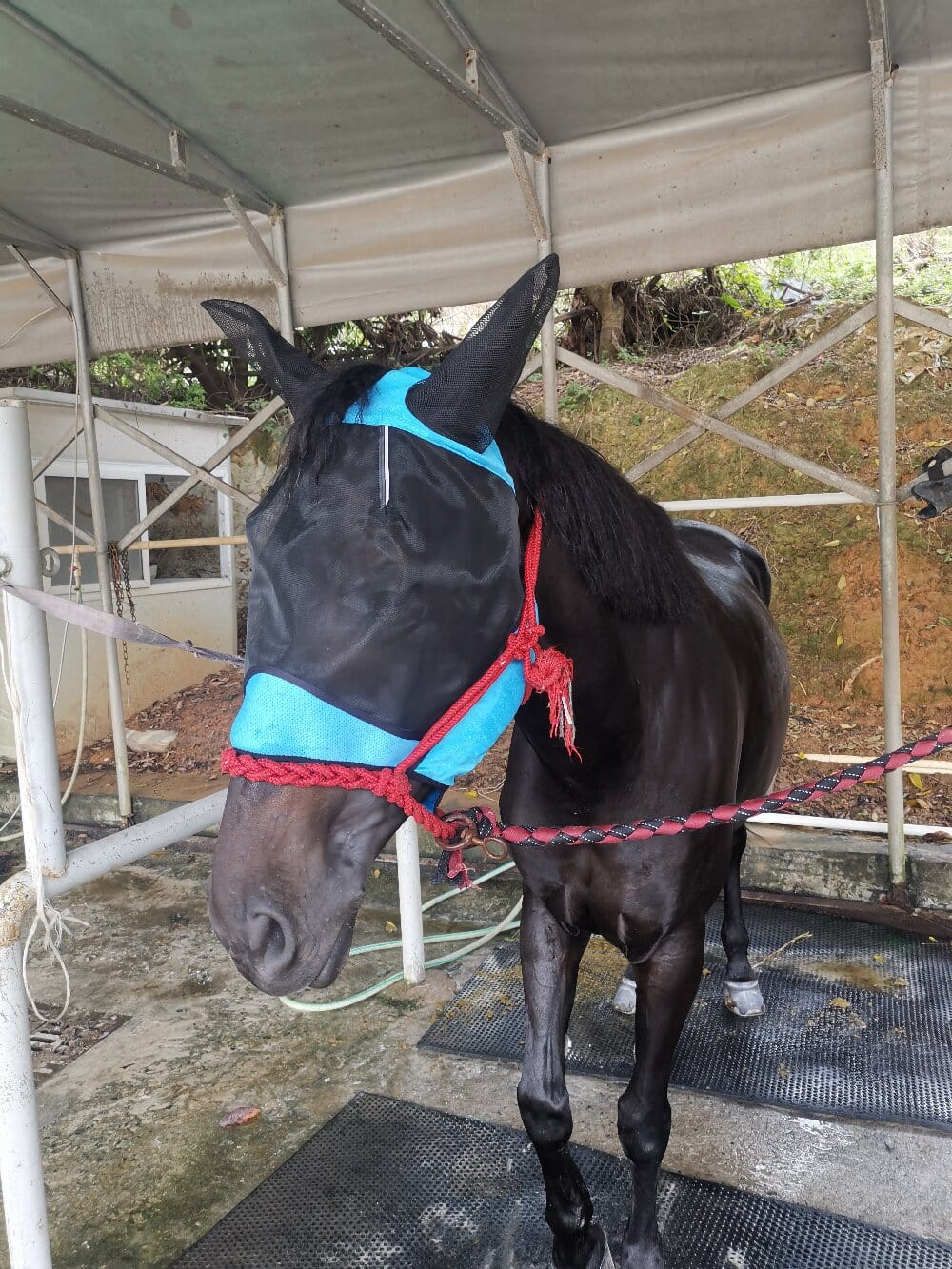
If you have spent any time around horses this season, you have likely noticed that the humble horse fly mask has undergone a serious glow-up. Gone are the days of stiff, ill-fitting mesh that rubbed manes raw and slipped down over the eyes within minutes of turnout. Today’s fly masks are engineering marvels, blending equine comfort with textile innovation, and I have to say, I am genuinely impressed by where the market is heading. Whether you are managing a sensitive show jumper or a hardy pasture pony, the latest trends in fly protection are worth a closer look.
Horse Fly Mask Design Is Getting Seriously High-Tech
The biggest shift I am seeing this year is the move toward ergonomic, anatomical shaping. Brands are now designing masks that follow the contours of the equine skull rather than forcing a one-size-fits-all cone onto every head. Think darted seams around the cheekbones, elasticized poll straps that stay put without pressure points, and extended nose coverage that protects the muzzle without blocking airflow. Materials have evolved too — many new masks use fine, breathable mesh with UV-blocking properties, which is a welcome bonus for horses prone to photosensitivity and sunburn on pink skin.
Another trend catching my eye is the rise of built-in ear and forelock protection. Rather than layering separate pieces, manufacturers are stitching soft ear covers and forelock-friendly openings directly into the mask. It is a small design choice with a big payoff for horses that hate having their ears fiddled with.
Fit, Comfort, and the Rise of Custom Sizing
I will be honest: fit is where most fly masks fail, and the industry finally seems to be listening. This season, more brands are offering granular sizing charts and even adjustable strap systems that let you fine-tune the fit around the throat and jaw. Here is what I look for when evaluating a new mask:
- Reinforced binding at the edges to prevent rubbing along the noseband and brow.
- Wide, padded straps that distribute pressure instead of digging in.
- Fleece or soft lining at key contact points, especially over the poll.
- Secure closures that hold up to rolling, scratching, and the determined efforts of a pasture mate.
The trend toward lightweight, low-profile hardware is also a win — no more clunky buckles catching on fencing or blanket bars.
Style Meets Function: Colors, Patterns, and Visibility
Let us not pretend aesthetics do not matter. The current crop of fly masks comes in a rainbow of colors, from classic black and navy to bright neon and playful patterns. Beyond looking smart in the barn aisle, high-visibility options are genuinely useful for horses turned out near roads or in large fields. Reflective piping is appearing on more masks each season, which I think is a smart, safety-first touch that owners genuinely appreciate.
Smart Care and Sustainability Trends
Durability and eco-consciousness are shaping buying decisions too. Washable, quick-drying fabrics mean fewer replacements, and several brands are now using recycled mesh and recyclable packaging. My advice: invest in a mask you can machine wash on a gentle cycle, and keep a spare on hand for rotation. A clean mask protects better and lasts longer.
Final Thoughts
The modern horse fly mask is no longer a basic afterthought — it is a thoughtfully engineered piece of protective gear. Between anatomical fits, UV-blocking fabrics, integrated ear protection, and stylish high-visibility designs, there has never been a better time to upgrade your horse’s summer wardrobe. Prioritize fit and comfort, check those straps regularly, and your horse will thank you with a calm, bite-free turnout season.