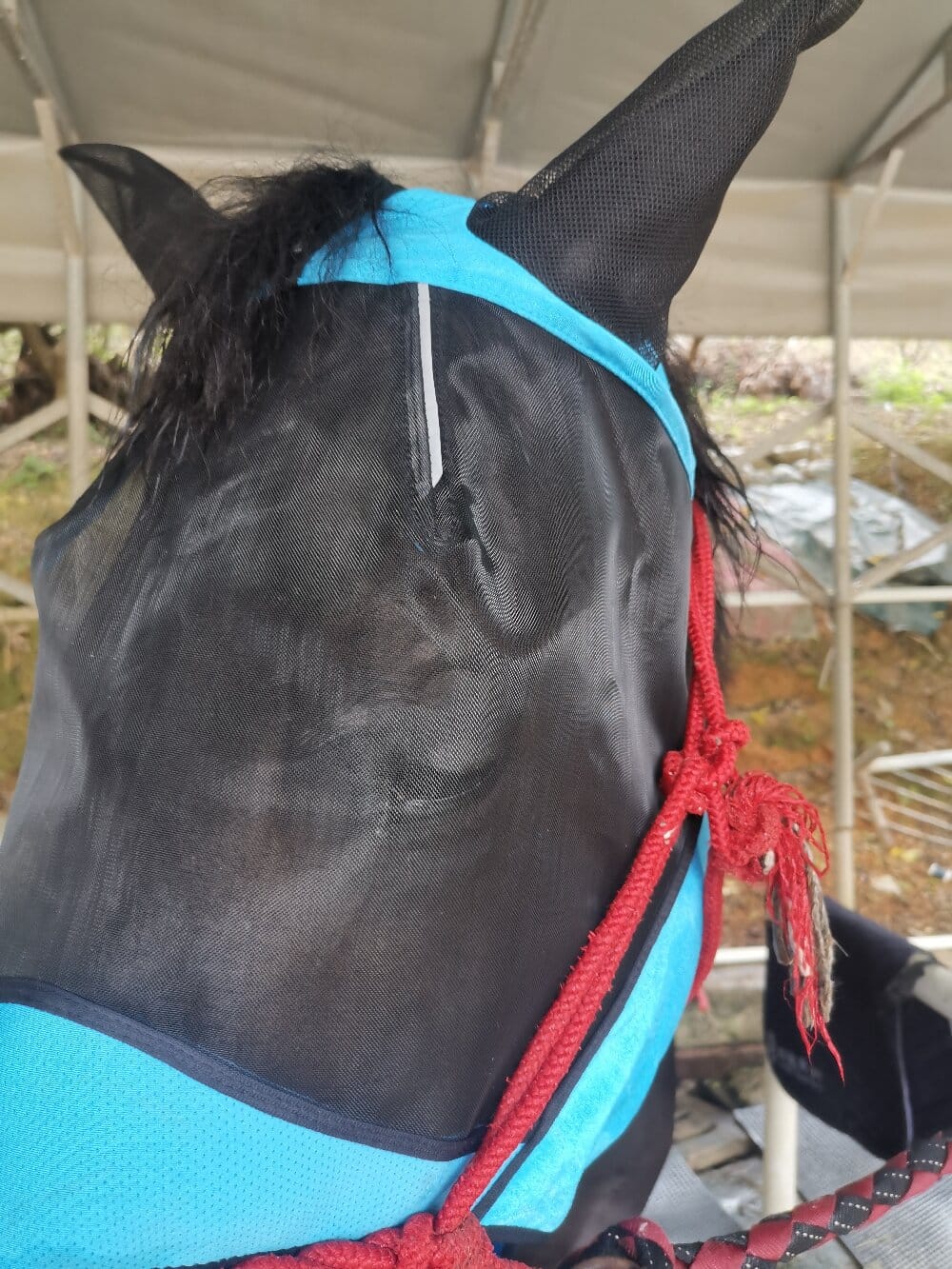
A horse fly mask is a specialized piece of equine equipment designed to shield the animal’s face and eyes from flying insects, debris, and ultraviolet light. From a methodological standpoint, evaluating the effectiveness of a horse fly mask requires a structured approach that examines material composition, fit, visibility, and environmental variables. This article outlines an objective framework for selecting and assessing fly masks, drawing on established practices in equine care and field observation.
Methodology for Evaluating Horse Fly Mask Performance
A systematic evaluation begins with defined criteria. Researchers and horse owners can apply a comparative method that scores each mask against measurable standards. The following categories form the basis of a practical assessment protocol:
- Mesh density and airflow: Fine mesh blocks small insects such as biting midges, while adequate ventilation prevents heat accumulation.
- Fit and retention: Straps, darts, and fleece edging determine whether the mask stays in place without rubbing.
- Eye clearance: The design must keep mesh away from the cornea and allow a full field of vision.
- UV protection rating: Fabric specifications indicate the percentage of ultraviolet radiation blocked.
- Durability under field conditions: Resistance to tearing, fading, and repeated washing is tested over time.
Each criterion can be scored on a simple scale, allowing direct comparison between products. This method reduces subjective bias and supports evidence-based purchasing decisions.
Field Testing and Observation Techniques
Controlled observation adds practical value to specifications. A common protocol involves fitting the mask during peak insect activity, typically dawn and dusk, and monitoring the horse’s behavior for head tossing, rubbing, or avoidance. Observers record the frequency of these responses at intervals, creating a baseline for comparison. Photographic documentation of skin condition around the edges helps identify pressure points. In addition, checking the mask after turnout for trapped insects or accumulated debris provides direct evidence of barrier integrity.
Environmental factors must also be logged. Temperature, humidity, pasture type, and proximity to water influence insect pressure and, consequently, the demands placed on the mask. A mask that performs well in dry conditions may require additional scrutiny in humid climates where sweat and moisture affect fit and fabric longevity.
Selection Criteria for Different Equine Needs
Not every horse requires the same configuration. A structured decision process considers the individual animal’s sensitivity, coat color, living arrangement, and workload. Horses with pink skin around the muzzle and eyes benefit from higher UV-blocking ratings, while those prone to rubs need soft binding and adjustable closures. For pastured horses, long-term wear resistance and secure fastenings take priority; for stabled animals, ease of removal and cleaning may matter more. Seasonal variation is another variable: summer masks emphasize insect exclusion, whereas extended-nose designs offer broader coverage in high-biting-pressure areas.
Maintenance and Longevity Assessment
Durability testing does not end at purchase. A maintenance schedule supports both hygiene and extended service life. Recommended steps include:
- Rinse the mask after each use to remove sweat and debris.
- Wash with mild soap and air-dry away from direct heat.
- Inspect straps, seams, and mesh for wear before each turnout.
- Rotate between two masks to reduce daily strain on a single item.
Recording the date of first use and noting visible deterioration allows owners to estimate replacement intervals objectively rather than relying on guesswork.
Conclusion
Applying a methodological perspective to the horse fly mask transforms a routine purchase into a measurable process. By defining evaluation criteria, conducting structured field observations, matching design features to individual equine needs, and maintaining a disciplined care routine, owners and caregivers can make informed choices. This approach supports equine comfort, supports eye health, and ensures that the equipment delivers consistent protection throughout the insect season.