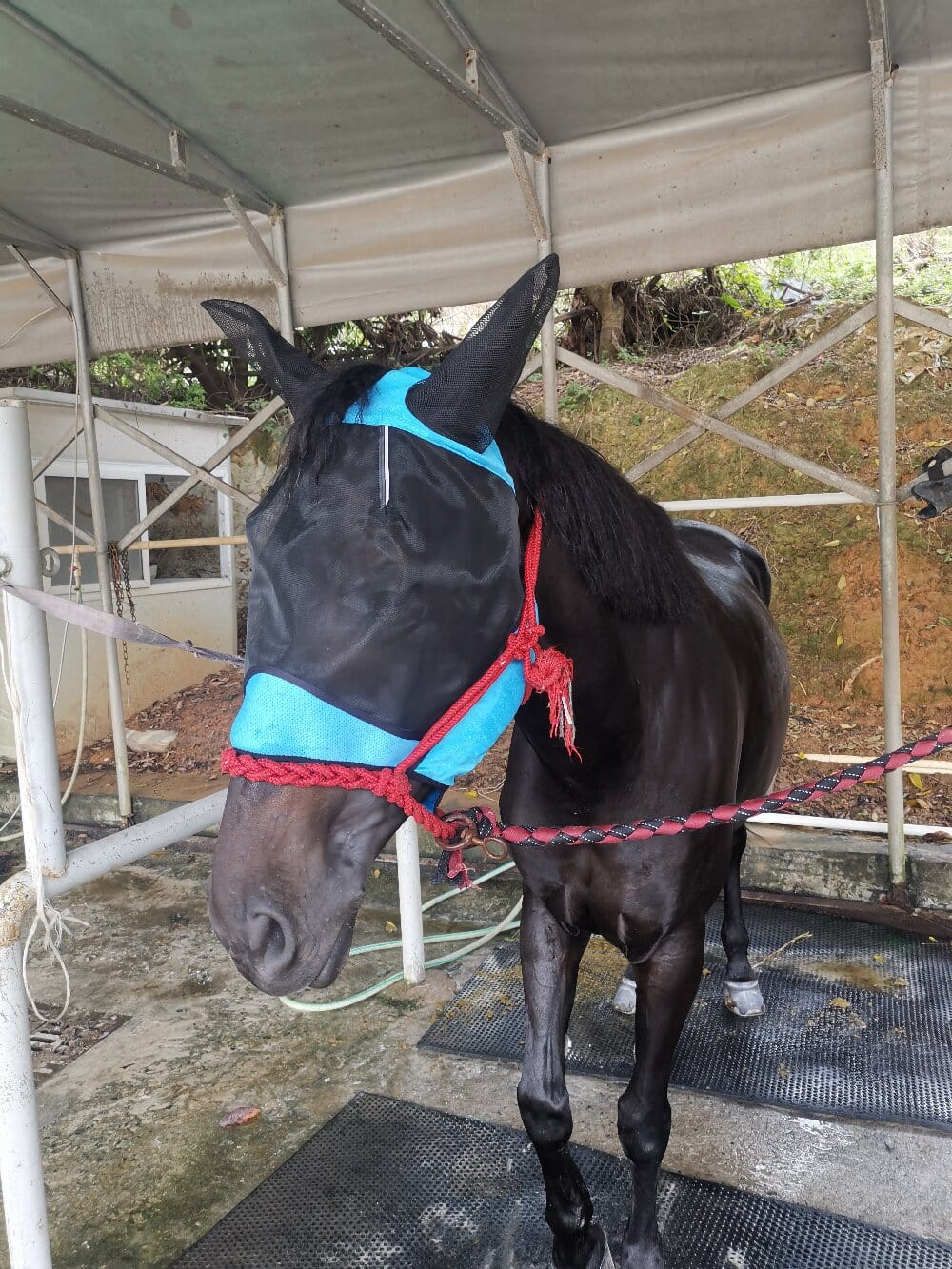
I still remember the first time I saw a horse fly mask hanging on a stable wall in the English countryside. To me, it looked like a strange piece of sports equipment, but the stable owner explained it was simply part of daily care. That moment made me realize the horse fly mask is not just a piece of tack; it carries cultural meanings that vary from one region to another. In my travels and conversations with riders, I have come to see this simple mesh covering as a window into how different communities understand animal welfare, tradition, and even status.
The Horse Fly Mask as a Marker of Practical Care Culture
In many European and North American stables, I noticed that fly masks are treated as ordinary, almost invisible tools. They are bought in bulk, washed weekly, and replaced without ceremony. This reflects a culture of preventive, utilitarian care. Riders there tend to view the mask as a barrier against flies, dust, and sunlight, and they measure its value in reduced irritation and fewer vet visits. When I asked a groom in Germany why she used one, she shrugged and said it was like putting on a raincoat. That casual attitude told me a lot: in that culture, animal comfort is routine, not exceptional.
Symbols of Status and Tradition in Other Regions
Things changed when I spoke with riders from parts of the Middle East and North Africa. There, I learned that fly masks and similar face coverings can carry a different weight. Some owners choose specific colors, embroidery, or brand names to signal care and investment in their animals. In certain show contexts, a well-fitted mask is part of an unspoken language of horsemanship. I even met a breeder who kept a hand-stitched mask as a family keepsake, passed down across generations. For him, the object was both practical and sentimental, a small heirloom that reminded him of his grandfather’s stable.
How Language and Folklore Shape Our View of Insect Protection
The words people use for fly masks fascinated me. In some languages, the term translates roughly to “eye net” or “summer veil,” which reveals how the object is imagined. I heard folk sayings about flies being a sign of a healthy pasture, and older riders spoke of masks as a modern replacement for traditional herbal smudges and braided fringes. These stories show that the horse fly mask sits at the intersection of old and new knowledge. It is a manufactured product, yet it plugs into older cultural habits of protecting animals from seasonal pests.
A Personal Reflection on Shared Practices
Looking back, I see that my own assumptions about fly protection were shaped by the culture I grew up in. I used to think of the mask as purely functional, but my conversations taught me to read it as a cultural artifact. I now pay attention to how people talk about it, how they store it, and whether they mend it or discard it. These small choices reveal values: thrift, fashion, hygiene, or tradition. The horse fly mask may look simple, but it carries the fingerprints of the people who use it.
Conclusion: A Small Object with a Big Cultural Story
From stable walls to show rings, the horse fly mask tells a story about how humans care for animals and express identity. My first-person journey through different equestrian cultures showed me that even ordinary tack can hold layers of meaning. Whether it is treated as a disposable tool or a cherished accessory, the mask connects practical welfare with cultural values. Next time I see one, I will not just see mesh and straps; I will see a quiet reflection of the people who put it on their horses.