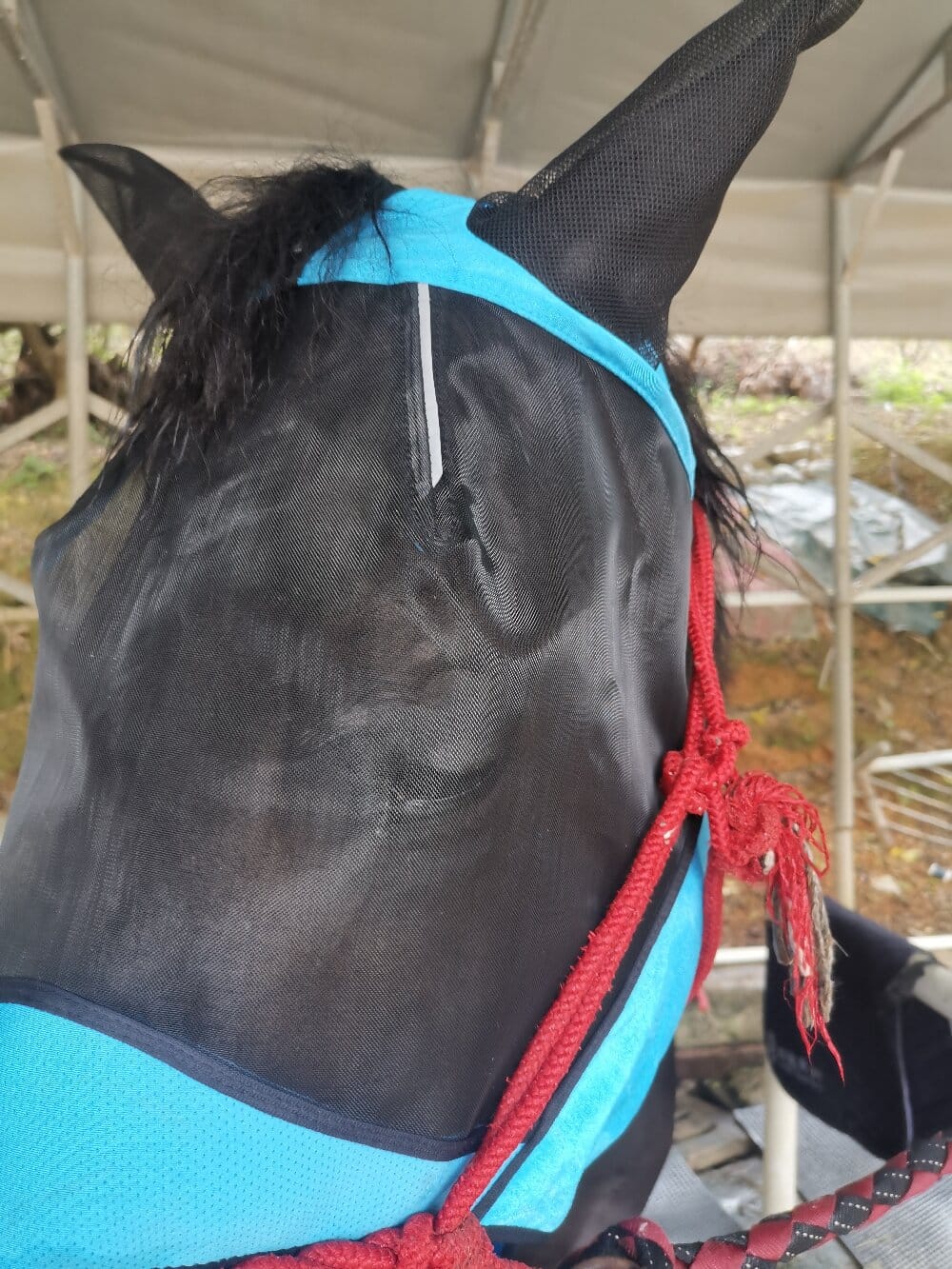
If you’ve scrolled through equestrian social media lately, you’ve probably noticed that the horse fly mask has evolved far beyond the basic mesh hood of a decade ago. What was once a purely functional afterthought is now a fashion-forward, tech-enhanced staple in almost every tack room. As someone who spends way too much time browsing barn supply sites and reading rider forums, I can honestly say this is one of the most exciting product categories in equine care right now — and the latest trends are worth paying attention to.
Design Trends Shaping the Horse Fly Mask Market
The biggest shift I’ve noticed is that fly masks have become genuinely stylish. Brands are rolling out bold colorways, reflective piping, and patterned ears that make protective gear feel like a statement piece rather than a medical accessory. Riders are matching masks to saddle pads and bonnets, and honestly, it’s about time.
Beyond aesthetics, functionality is getting smarter. Here are the standout innovations trending this season:
- UV-protective fabrics that shield sensitive skin and pink muzzles from sunburn during long turnout hours.
- Removable nose covers that let you customize coverage depending on insect pressure and weather.
- Ergonomic ear shapes designed to reduce rubbing while still blocking gnats and flies from sensitive ears.
- Lightweight, breathable meshes that improve airflow without sacrificing protection.
- Fleece-lined brow bands and seams to prevent chafing on horses with delicate skin.
What I love most is how these features address real, everyday frustrations. A mask that stays put during rolling, doesn’t fog up during work, and actually survives a muddy paddock is worth its weight in gold.
Fit and Comfort: The Detail Riders Care About Most
Here’s my slightly opinionated take: fit is where most fly masks fail. A loose mask slips over the eyes; a tight one rubs the ears raw. The newest generation of fly masks for horses focuses heavily on adjustable straps, stretchy ear panels, and contoured eye darts that keep mesh away from the lashes. Many brands now offer multiple sizes, including cob and draft fits, which is a huge improvement over the one-size-fits-most approach of the past.
When shopping, I always recommend measuring your horse’s head rather than guessing. Check the distance from poll to muzzle and around the jaw, then compare against the brand’s size chart. Trust me — a well-fitted insect protection mask makes a visible difference in your horse’s comfort and stress levels.
Smart Features and Materials to Watch
The latest buzzword in equine gear is “technical fabric,” and fly masks are no exception. Look for masks with antimicrobial linings, quick-dry mesh, and reinforced binding that resists fraying after repeated washing. Some premium options even include detachable ear fringes for extra fly defense and reflective strips for visibility during early morning or evening turnout.
Durability matters too. I’ve learned the hard way that cheap elastic and weak hook-and-loop closures are false economy. Investing in a mask with sturdy hardware and double-stitched seams saves money and hassle in the long run.
Care Tips to Make Your Mask Last
Keep your investment in top shape with a few simple habits:
- Rinse off manure and sweat after each use to prevent stains and bacteria buildup.
- Hand wash in cool water with mild soap, then air dry away from direct heat.
- Inspect straps and seams weekly for wear before turnout.
- Rotate between two masks during peak fly season so one is always clean and dry.
Final Thoughts
The modern horse fly mask is a perfect example of how equestrian gear keeps getting better — combining thoughtful design, durable materials, and genuine comfort for our horses. Whether you’re managing a sensitive-skinned show horse or a hardy field companion, staying on top of these trends means better protection and happier horses. Choose a mask that fits well, suits your climate, and stands up to daily wear, and you’ll wonder how you ever managed fly season without it.