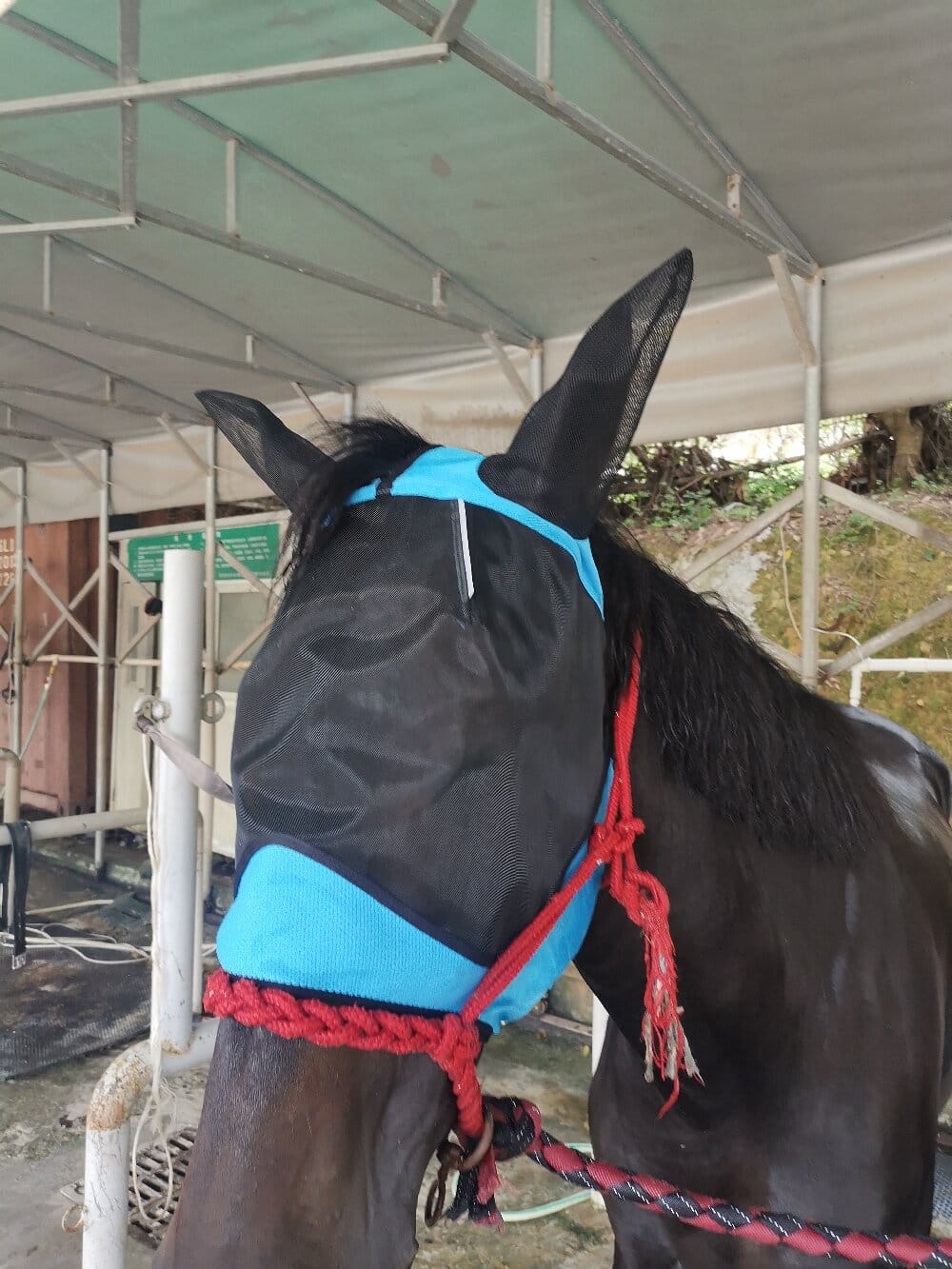
A horse fly mask is a specialized piece of equine equipment designed to protect a horse’s sensitive eyes, ears, and face from flying insects, ultraviolet rays, and environmental debris. While the primary function appears simple, selecting and using the right mask involves solving several practical problems that horse owners encounter daily. This article examines those challenges and offers objective solutions to help equestrians make informed decisions.
Common Problems a Horse Fly Mask Solves
Horses are particularly vulnerable to flying pests such as horn flies, stable flies, deer flies, and gnats. These insects can cause eye irritation, spread disease, and contribute to stress-related behaviors including head tossing, stomping, and reduced grazing. A well-fitted mask addresses several issues at once:
- Reducing insect bites around the eyes and ears
- Lowering the risk of conjunctivitis and corneal ulcers
- Providing relief from UV exposure, especially for horses with lighter coats or photosensitivity
- Minimizing dust and debris irritation during turnout
- Supporting a calmer demeanor during peak fly season
How to Select a Horse Fly Mask That Fits Correctly
Fit is the most common source of problems with equine fly protection. A mask that is too loose can shift, rub, or allow insects to enter, while one that is too tight may cause pressure points or restrict vision. To solve fit issues, consider the following steps:
- Measure your horse’s head from the poll to the muzzle and around the jaw.
- Check that ear openings align comfortably without pinching.
- Ensure the mask clears the eyes and eyelashes with adequate space.
- Look for adjustable straps, such as hook-and-loop closures, to fine-tune the fit.
- Verify that the mask stays in place during head shaking or rolling.
Addressing Durability and Comfort Concerns
Horses are hard on equipment, and masks frequently tear or lose their shape. Choosing durable materials solves the problem of frequent replacement. Products made from rip-stop mesh, reinforced binding, and fleece edging tend to withstand daily turnout better than lightweight alternatives. Comfort is equally important; soft edges prevent rubbing, and breathable fabric reduces heat buildup. For horses with sensitive skin, removing the mask daily for inspection helps catch irritation early.
Managing Seasonal and Environmental Challenges with a Horse Fly Mask
Fly pressure varies by season and location, so a single approach may not suit every situation. During peak summer months, a mask with ear coverage and nose protection offers broader defense. In dusty environments, a fine mesh helps block particulate matter. Owners should also consider:
- Rotating between two masks to allow cleaning and drying
- Washing masks regularly with mild soap to remove sweat and dirt
- Checking for wear around straps and seams before each use
- Removing masks during extreme heat if ventilation is insufficient
Practical Takeaways for Horse Owners
Solving fly-related discomfort requires more than buying the first mask available. Correct sizing, durable construction, and routine maintenance all contribute to effective protection. A horse fly mask remains one of the most practical and economical tools for reducing insect irritation, supporting eye health, and improving turnout comfort. By matching the mask to the horse’s needs and the environment, owners can resolve common problems and promote better welfare throughout fly season.