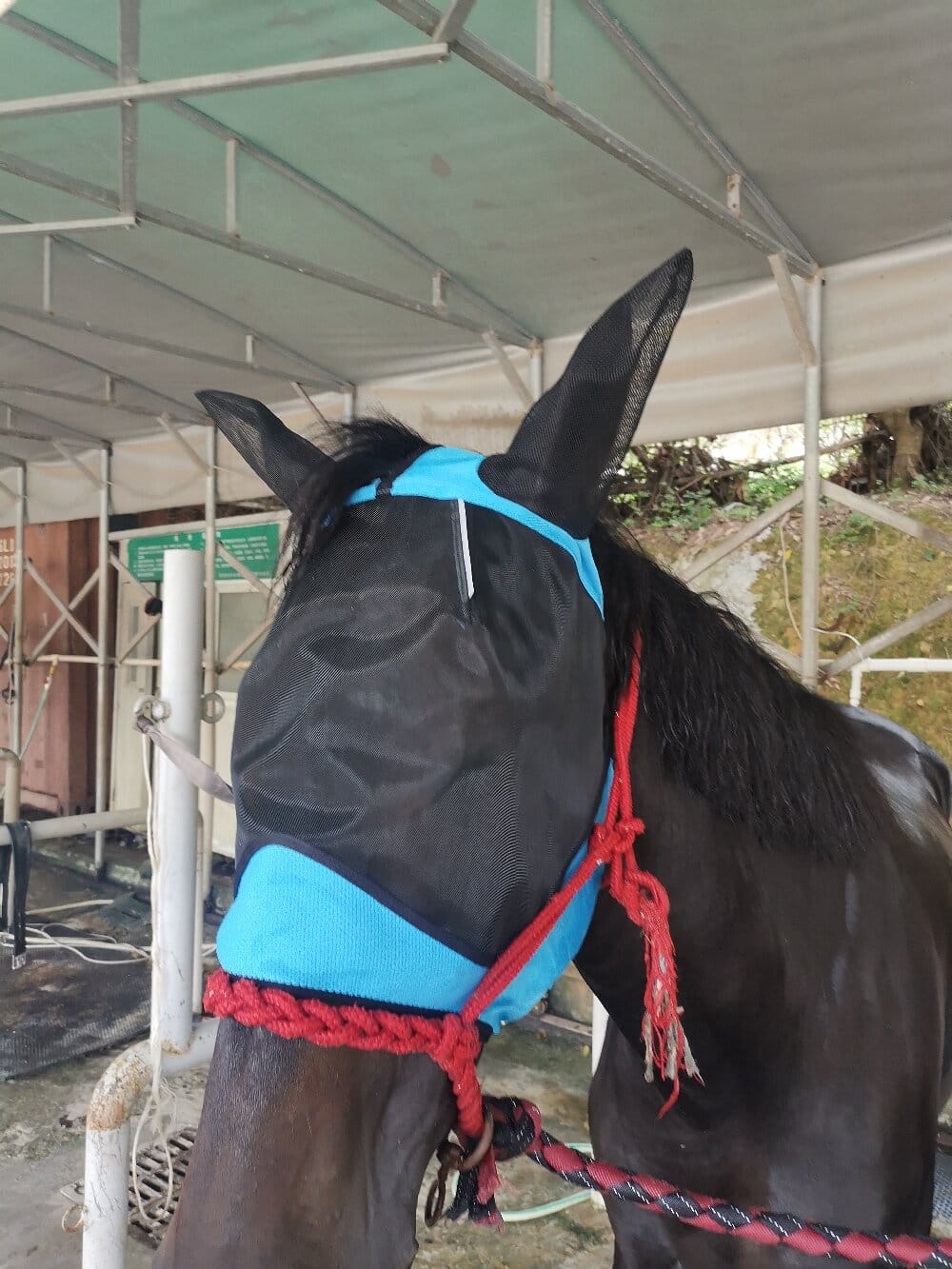
A horse fly mask is a specialized piece of equine equipment designed to protect the sensitive areas of a horse’s face from flying insects, UV radiation, and environmental debris. When examined through a data interpretation lens, the growing adoption of this equipment reveals measurable patterns in equine care, seasonal insect pressure, and owner purchasing behavior. Rather than treating the fly mask as a simple accessory, an objective review of available market and veterinary data shows it functions as a preventive health tool with quantifiable benefits for horses and their caretakers.
Interpreting Insect Pressure and Seasonal Demand for a Horse Fly Mask
Entomological studies consistently show that fly populations peak during warmer months, with biting species such as stable flies and face flies becoming most active when temperatures rise above 18 to 20 degrees Celsius. Data collected from equine clinics and feed stores indicates that demand for fly protection gear rises sharply in late spring and remains elevated through early autumn. Interpreting this seasonal curve helps owners plan purchases before peak insect activity rather than reacting after horses show signs of irritation.
Regional variation also matters. Humid climates and areas near standing water report higher fly densities, and owners in these zones tend to use fly masks for longer periods each year. When this data is mapped against veterinary records, a correlation emerges between consistent mask use and fewer cases of insect-related facial lesions, conjunctivitis, and skin irritation.
Measured Benefits: What the Data Suggests
Veterinary and behavioral data point to several measurable outcomes associated with regular use of fly protection masks:
- Reduced incidence of eye irritation and conjunctivitis during peak fly season, based on clinic case comparisons.
- Lower observed stress behaviors, such as head tossing and face rubbing, in masked horses during turnout.
- Decreased UV exposure to sensitive areas, which is relevant for horses with light-colored coats or pink skin around the eyes and muzzle.
- Fewer topical repellent applications, as physical barriers can complement chemical methods and potentially reduce product use.
These findings should be interpreted with appropriate caution. Observational data can be influenced by variables such as pasture management, herd density, and individual horse sensitivity. Nonetheless, the direction of the evidence supports masks as a practical component of an integrated fly control strategy.
Design Features and Performance Data
Product comparisons reveal meaningful differences in construction that affect performance. Mesh density, often rated in grams per square meter or denoted by weave size, determines the balance between airflow and insect exclusion. Data from manufacturer specifications suggests that finer mesh blocks smaller insects more effectively but may reduce ventilation, which matters in hot climates.
Other variables include:
- Ear and muzzle coverage, which influences protection scope but also fit and comfort.
- Strap configuration and fastener durability, linked to retention rates during turnout.
- UV-blocking fabric ratings, relevant for horses with photosensitivity.
- Washability and material longevity, affecting cost per season of use.
Interpreting these specifications side by side allows buyers to match products to their specific climate, horse size, and turnout routine rather than relying on generic claims.
Practical Takeaways for Equine Caretakers
Owners should measure their horse’s head accurately, introduce the mask gradually, and inspect it daily for rubbing or damage. Rotating between two masks can extend product life and ensure one is always clean and dry. Combining a well-fitted mask with pasture management, manure removal, and strategic use of repellents produces the strongest overall protection based on available evidence.
In summary, interpreting market, veterinary, and product data positions the horse fly mask as a low-risk, evidence-supported tool for seasonal equine care. Careful selection and consistent use, guided by measurable design features and local insect patterns, can improve comfort and reduce avoidable facial irritation for horses throughout fly season.