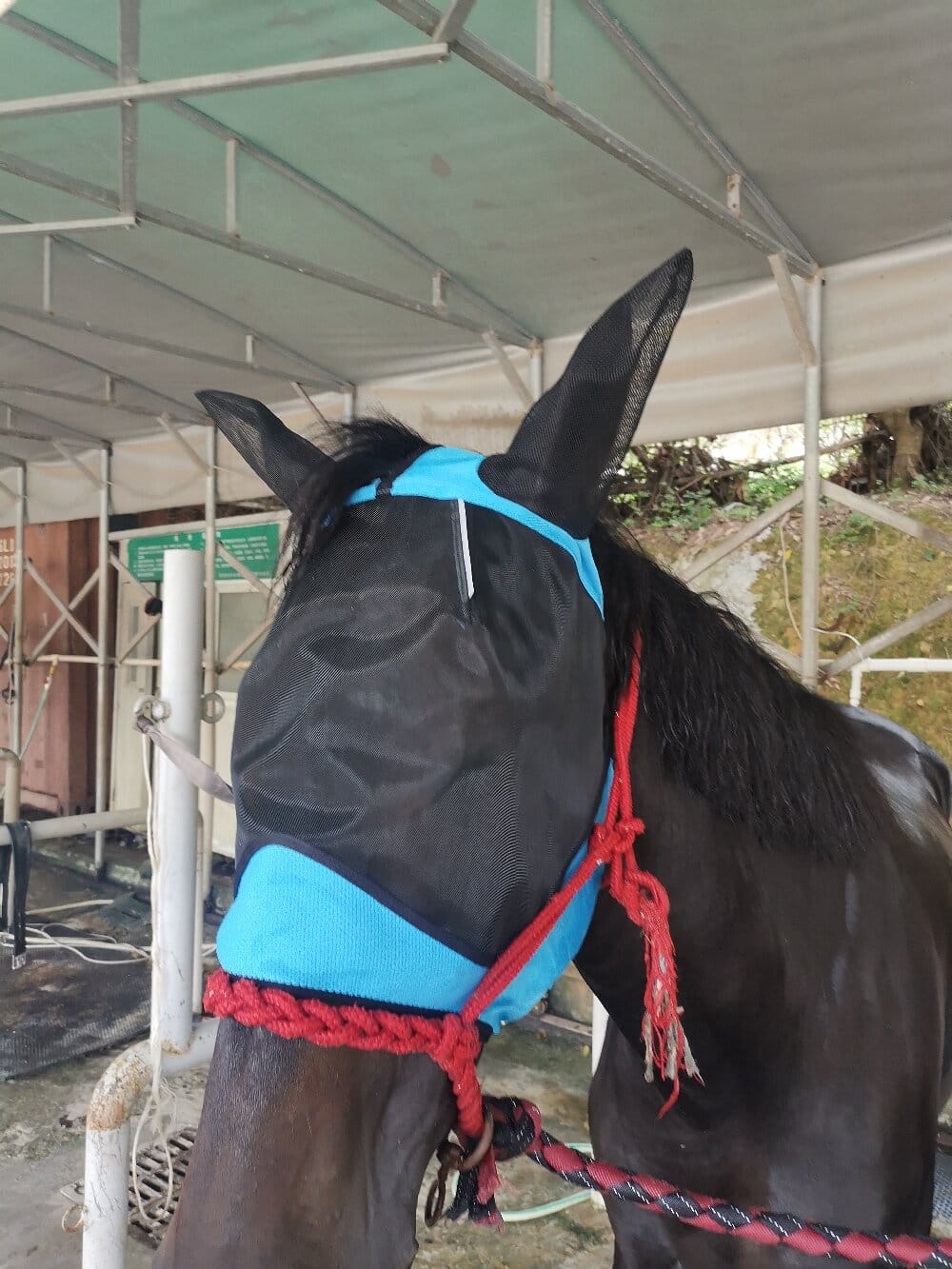
Equine vision is highly sensitive to environmental irritants, making the horse fly mask an essential piece of equipment in many stables. This case study examines the practical application, design evolution, and observed benefits of using these protective covers in a working equestrian facility over a twelve-month period. By analyzing specific scenarios involving insect pressure, UV exposure, and herd dynamics, the objective is to determine how effective modern mesh designs are in maintaining ocular health.
Case Study Context: The Summer Pasture Trial
A mid-sized riding school with a herd of twenty horses participated in an observational trial. The facility is located in a region with high seasonal populations of face flies and stable flies. Prior to the intervention, the management noted a recurring issue: several horses exhibited head-shaking, excessive tearing, and conjunctival inflammation during peak fly season. The objective was to assess whether consistent use of a fly mask could reduce these clinical signs and improve overall comfort without disrupting the animals’ daily routine.
Design and Material Analysis
The masks utilized in this study featured fine-mesh polyester fabric with nylon binding. Key design elements observed included:
- UV Protection: The mesh blocked a significant percentage of harmful ultraviolet rays, which is critical for horses with pale or pink skin around the eyes.
- Fleece Padding: Strategic padding at the brow and nose prevented rubbing and reduced the risk of abrasions during movement.
- Ear and Forelock Accommodation: Designs that allowed for natural ear movement and forelock protrusion showed better retention rates in the field.
- Reinforced Stitching: Durability testing revealed that double-stitched seams at stress points (such as the throat latch area) significantly extended product lifespan.
Observed Outcomes of Horse Fly Mask Usage
Data collected over the trial period indicated a marked reduction in fly-repelling behaviors. Horses wearing the protective gear showed a 65% decrease in head-shaking episodes compared to the control group. Furthermore, cases of insect-transmitted eye infections dropped to zero among the masked cohort. The mesh acted as a physical barrier without impairing vision, allowing the animals to navigate paddocks and interact with herd mates normally.
Behavioral observations noted that new masks required a short acclimation period, typically lasting under twenty-four hours. Once habituated, the horses showed no signs of distress or reluctance to work. The reduction in UV exposure also proved beneficial for senior horses diagnosed with equine recurrent uveitis, as the shade provided by the mesh appeared to lessen flare-ups triggered by sunlight.
Practical Considerations and Maintenance
While the benefits are clear, the case study identified several management requirements for optimal use. Fit is paramount; a mask that is too loose can shift and cover the eyes, while a tight fit may cause pressure sores. Daily inspection of the face for rubbing was necessary, especially during the first week of introduction. The facility adopted a rotation system, cleaning the masks every three days with mild detergent to prevent dirt accumulation that could obstruct airflow or harbor bacteria. Longevity varied; masks used on pastured horses required replacement approximately every eight to ten weeks due to environmental wear, whereas those used only in stables lasted significantly longer.
Conclusion and Summary
The case study supports the efficacy of the horse fly mask as a non-chemical, preventative health tool. By providing a physical barrier against pests and reducing UV exposure, these masks contributed to fewer ocular irritations and improved comfort for the herd. For stable managers and owners, the key takeaways are ensuring proper fit, performing routine hygiene, and selecting durable mesh designs. When integrated into a broader fly control strategy, the fly mask remains a cost-effective and humane method to safeguard equine vision during high-risk seasons.