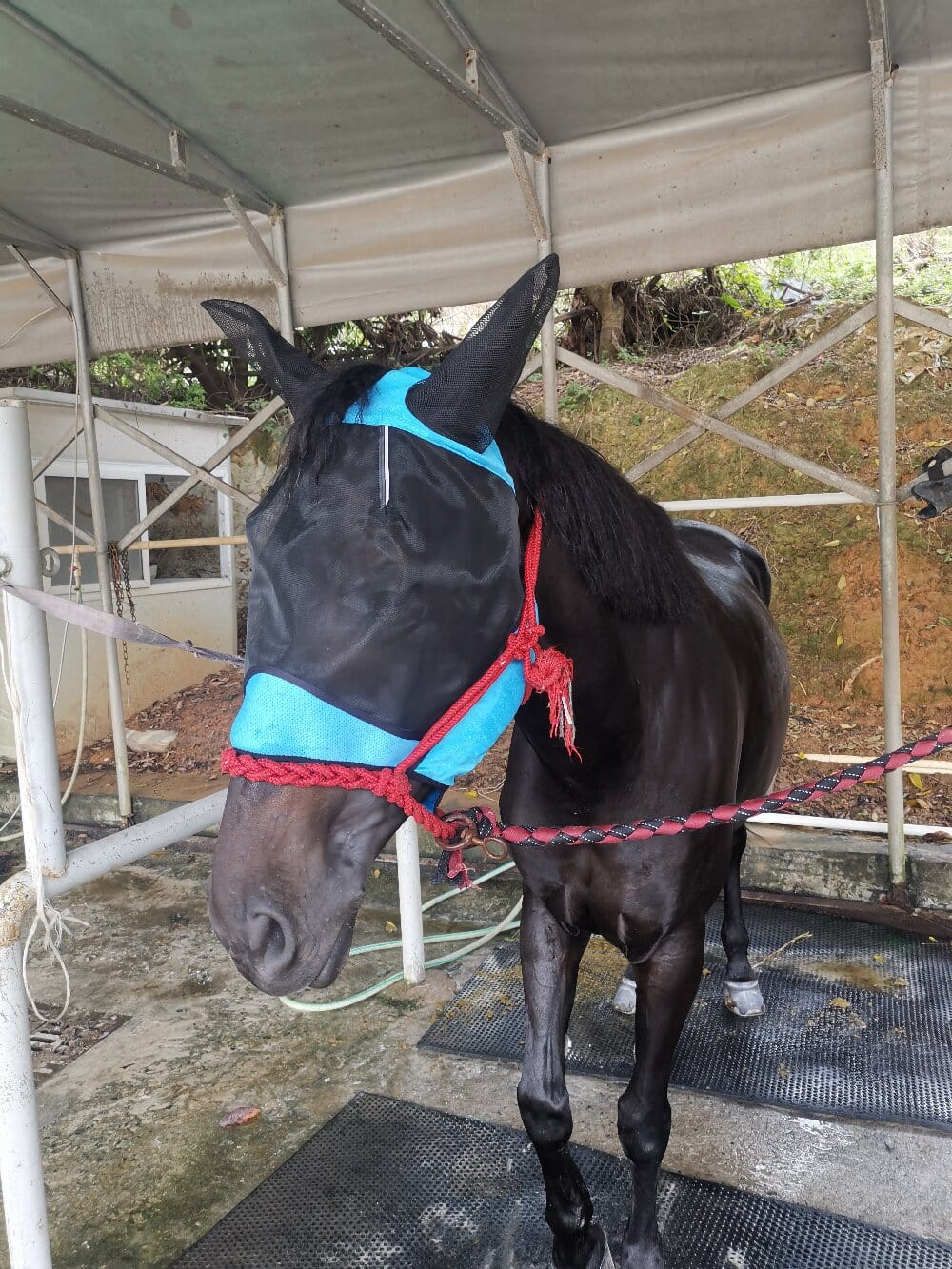
From an engineering standpoint, a horse fly mask is far more than a simple piece of equine apparel; it is a precision-engineered barrier system designed to mitigate environmental irritants while preserving sensory function. Technically, the device operates as a physical exclusion layer, intercepting flying insects, UV radiation, and airborne debris before they contact the sensitive tissues of the equine eye and face. When analyzed through a materials-science lens, the modern fly mask represents a balance between permeability, durability, and optical transparency—each variable directly influencing the wearer’s comfort and the product’s protective efficacy. Riders, veterinarians, and manufacturers each evaluate this equipment through distinct technical frameworks, and understanding those perspectives reveals why the design has evolved into its current form.
Materials Engineering: Mesh Density and Airflow Dynamics
The core performance metric of any fly mask is its mesh architecture. Manufacturers typically specify mesh density in terms of openings per square inch, and this figure governs two competing outcomes: insect exclusion and ventilation. A finer mesh blocks smaller pests such as gnats and biting midges, but it also reduces airflow, which can increase heat accumulation around the face. Technical analysis of woven polymer fabrics—usually polyester or nylon—shows that UV-stabilized yarns resist degradation from sunlight, extending service life. From a structural perspective, the binding tape and reinforced seams distribute tensile stress during head movement, preventing tear propagation at high-stress zones like the poll and cheek. Consumers evaluating durability should inspect stitch density and edge finishing, while designers balance weight against coverage area to avoid excessive thermal load.
Optical and Sensory Considerations in Horse Fly Mask Design
Vision is a critical variable that distinguishes equine eye protection from human eyewear. Horses possess a wide lateral visual field and heightened sensitivity to motion, so any obstruction near the eyes can trigger behavioral resistance. Technically, the mesh must maintain sufficient light transmission—often cited in the range of 60 to 70 percent—while diffusing glare. Darker mesh reduces glare but may impair vision in low-light conditions, whereas lighter shades prioritize visibility at the cost of some UV blocking. From a veterinary perspective, the mask must avoid contact with the corneal surface and eyelashes, requiring careful pattern drafting around the orbital rim. Behavioral specialists note that proper fit reduces tossing and rubbing, which in turn lowers the risk of displacement during turnout.
Fit, Retention, and Field Performance Metrics
Retention systems—usually fleece-lined straps, elastic bands, or hook-and-loop closures—determine whether the barrier remains positioned during rolling, grazing, and social interaction. Technical evaluation of retention focuses on three parameters: holding force, release safety, and pressure distribution. Over-tightened straps create focal pressure points that can cause rubs, while loose fittings allow the mask to rotate and expose the eyes. Field data suggests that ear openings and forelock apertures improve stability by anchoring the mask against the head’s natural contours. Owners should measure across the browband and cheek areas before purchase, and recheck fit seasonally, since coat changes and weight fluctuations alter head dimensions.
Comparative Perspectives: Owner, Veterinarian, and Manufacturer
Each stakeholder applies a different analytical lens. Owners prioritize cost-per-season, ease of cleaning, and resistance to mud and abrasion. Veterinarians emphasize disease prevention—particularly against insect-borne conditions such as conjunctivitis and summer sores—and caution against prolonged use in wet conditions where damp fabric can harbor bacteria. Manufacturers focus on tolerances, batch consistency, and compliance with textile safety standards. A balanced technical assessment integrates all three viewpoints: a mask that scores highly on mesh fineness but poorly on drainage may underperform in humid climates, while an overbuilt retention system may trade safety for security.
Conclusion: A Systems-Level View of Equine Eye Protection
Evaluating a horse fly mask through technical analysis reveals a compact but sophisticated product governed by mesh geometry, optical transmission, structural reinforcement, and ergonomic fit. No single specification guarantees success; instead, performance emerges from the interaction of materials and anatomy. Buyers who understand these variables—and who weigh owner practicality against veterinary caution and manufacturing precision—can select a barrier system that protects sensitive equine eyes without compromising comfort, vision, or airflow.