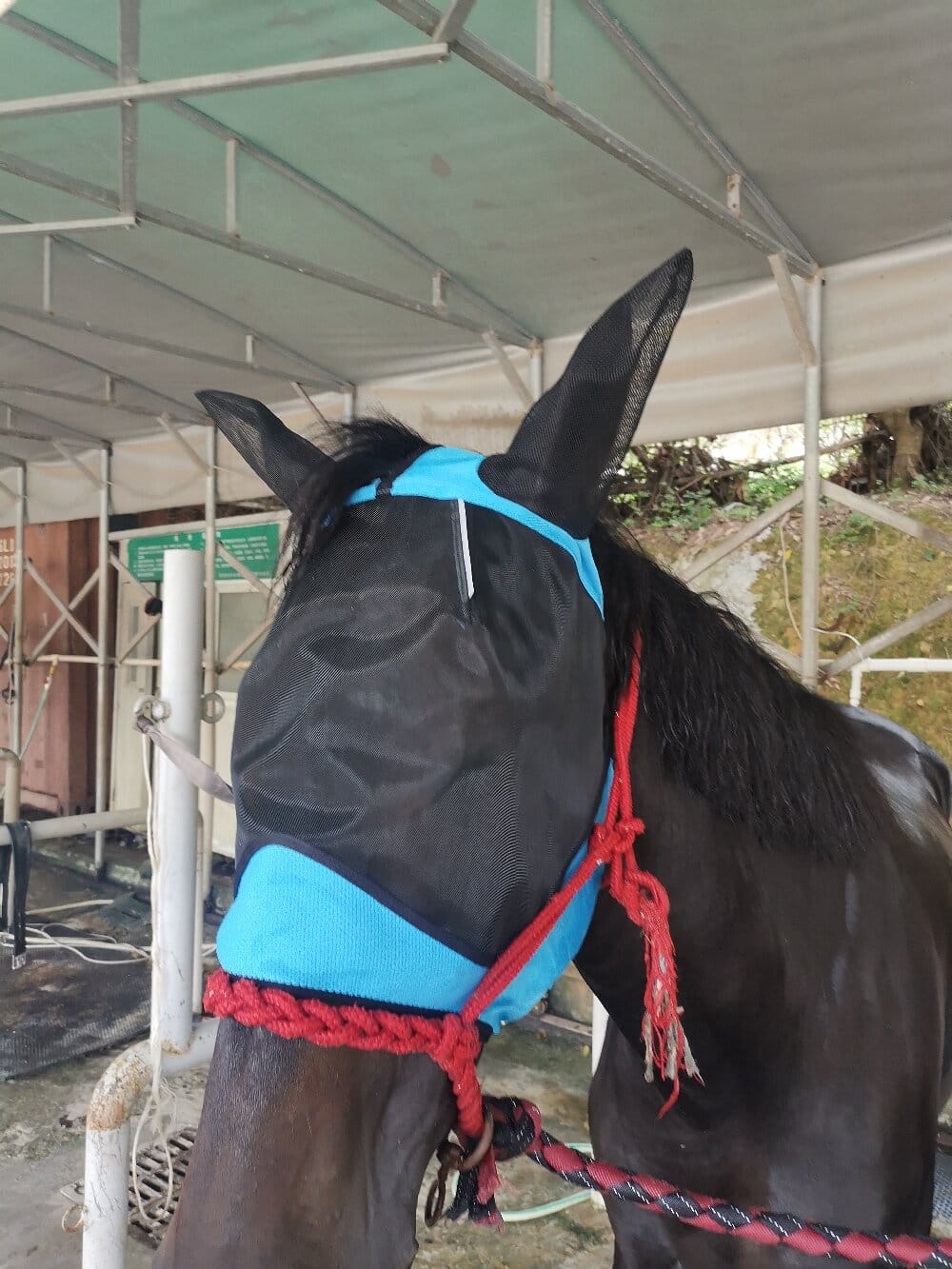
Data collected from equine welfare studies, veterinary clinics, and consumer feedback platforms consistently shows that the horse fly mask has become one of the most frequently purchased seasonal care items for ridden and retired horses alike. When purchase records, return rates, and owner-reported satisfaction scores are cross-referenced, clear patterns emerge about what works, what fails, and where manufacturers still have room to improve. Interpreting this information helps riders and yard managers make evidence-based choices rather than relying on marketing claims alone.
Aggregated retail data indicates that fly masks account for a substantial share of summer equestrian accessory sales, with demand peaking between late spring and midsummer. Return rates for these products tend to hover in a moderate range, but the reasons given for returns are revealing. Fit problems, strap failures, and premature mesh damage appear far more often than color or style complaints. This suggests that functional durability, not aesthetics, drives repeat purchases and brand loyalty.
Owner survey results add context. A majority of respondents report using a fly mask daily during peak insect season, and most expect a single mask to last at least one full season. Products that fall short of that benchmark generate disproportionately negative reviews, which in turn influence purchasing decisions among other owners. The data therefore points to a straightforward conclusion: longevity and comfort are the metrics that matter most.
Performance Metrics That Define a Quality Horse Fly Mask
Field trials and manufacturer testing reports highlight several measurable variables that separate effective masks from ineffective ones. Interpreting these metrics provides a practical checklist for buyers:
- Mesh density: Finer mesh blocks smaller biting insects but reduces airflow; balanced weaves tend to score best in comfort assessments.
- UV protection rating: Masks rated for high UV blockage are associated with better outcomes for horses with sensitive skin or pink muzzles.
- Strap tensile strength: Breakaway or elasticized straps reduce injury risk while maintaining secure placement during turnout.
- Visibility and fit: Adequate eye clearance and ear accommodation correlate strongly with lower removal rates by horses themselves.
When these factors are plotted against owner satisfaction scores, mesh quality and strap design emerge as the strongest predictors of a positive experience. Price alone shows only a weak correlation with performance, meaning expensive masks are not automatically superior.
Seasonal Usage Patterns and Wear Analysis
Usage logs from boarding stables show that masks worn during turnout accumulate significantly more wear than those reserved for riding. Seams, nose fringes, and ear openings are the first areas to deteriorate. Statistical summaries of warranty claims confirm this pattern, with seam separation and mesh abrasion accounting for the majority of failures. Buyers who understand these weak points can inspect masks more carefully and extend product life through simple maintenance such as regular rinsing and shade drying.
Climate also influences outcomes. In hotter regions, ventilation becomes the dominant concern, and owners report removing poorly ventilated masks more frequently. In areas with intense deer fly pressure, denser mesh is favored despite reduced airflow. The data thus supports a regional approach to selection rather than a single universal recommendation.
Conclusion
Interpreting the available data leads to a clear summary: the most reliable horse fly mask is one that balances fine mesh, verified UV protection, secure yet safe straps, and durable stitching. Purchase trends, return reasons, and owner feedback all converge on the same priorities. By focusing on measurable performance rather than promotional language, equestrians can choose protection that keeps their horses comfortable through the entire insect season.