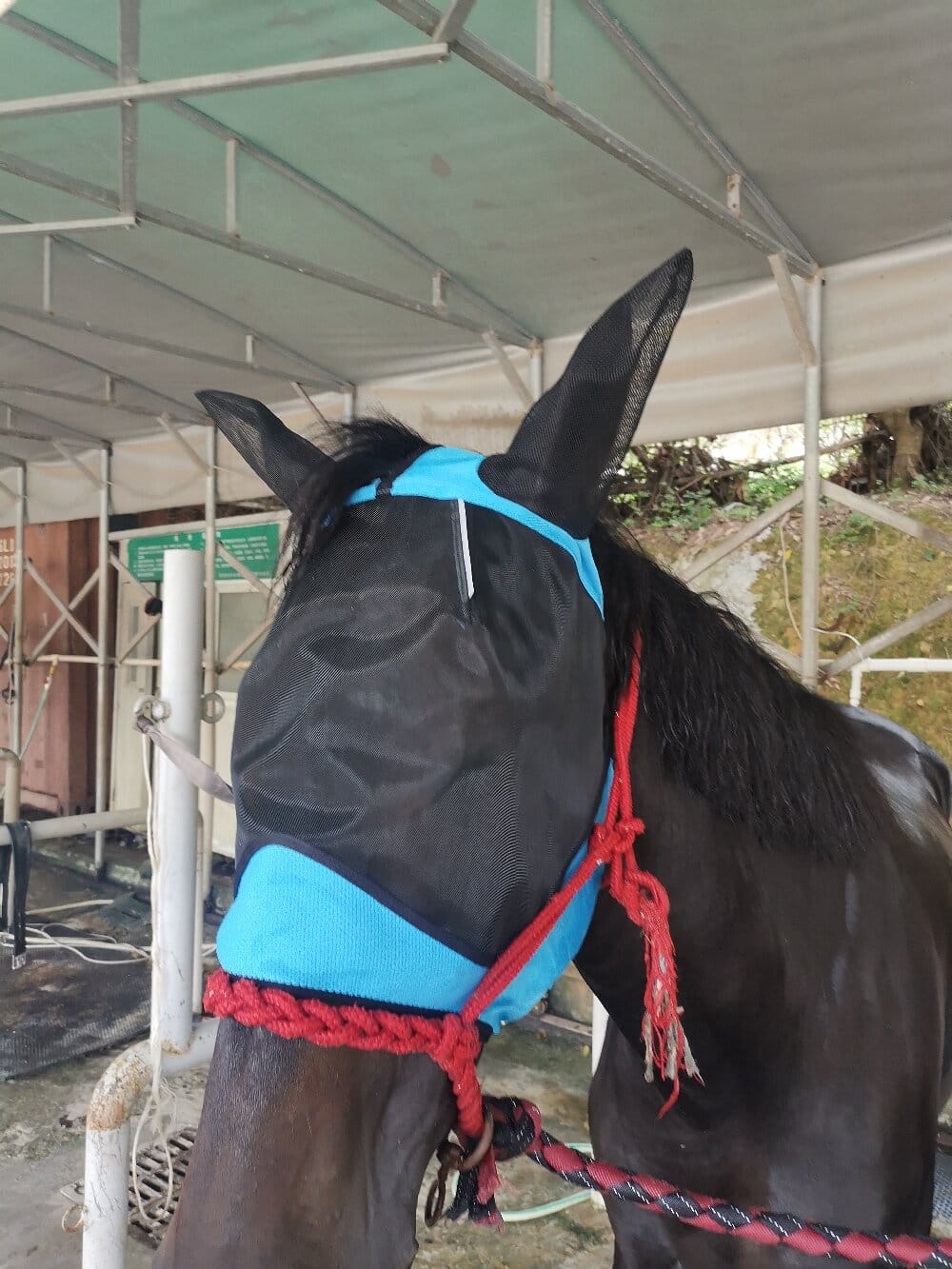
When I first started shopping for a horse fly mask, I made the classic mistake: I bought the cheapest mesh hood I could find, slapped it on my gelding, and assumed the job was done. Three days later, it was hanging from a fence post in tatters, and he had rubbed a bald patch across his poll. That failure taught me something important. Choosing and using a fly mask isn’t a single transaction — it’s a methodology. You assess, you fit, you observe, you adjust. In this article, I want to walk you through the exact process I now follow, because a well-chosen equine fly mask can mean the difference between a comfortable summer and a miserable one for your horse.
Step One: Assess the Actual Threat Before You Buy a Horse Fly Mask
Before I spend a single dollar on fly gear, I spend a week paying attention. Different pests demand different protection strategies, and the right fly mask for your situation depends on what’s actually bothering your horse.
- Face flies cluster around the eyes and nostrils, so a mask with fine mesh and a good nose cover matters most.
- Horse flies and deer flies bite through loose weave, which means you need a denser fabric and possibly ear protection.
- Stable flies target legs more than faces, but a mask still helps reduce overall irritation and stress.
- UV sensitivity in pink-skinned horses calls for masks with genuine UV-blocking ratings, not just dark mesh.
I keep a simple notebook during this assessment week. I note the time of day pests are worst, which parts of the face my horse guards, and whether he’s rubbing his eyes on fences. This data drives every decision that follows.
Step Two: Measure and Fit With Deliberate Care
Fit is where most people go wrong, myself included in those early days. A fly mask that’s too loose lets insects crawl underneath and creates rubbing points. One that’s too tight presses on the browband area and restricts eyelash movement. My method is straightforward: I measure from the top of the poll to the end of the nose, around the jaw, and across the forehead, then compare those numbers to the manufacturer’s sizing chart rather than guessing.
I also check clearance around the eyes. There should be enough room for the horse to blink fully and for eyelashes to move freely without touching the mesh. If the mask has fleece binding, I run my fingers along the seams to feel for stiffness or rough stitching that could cause sores during turnout.
Step Three: Introduce, Observe, and Adjust
Here’s the part I wish I’d understood sooner: introducing a fly mask is a training exercise, not just equipment installation. I now spend two or three short sessions letting my horse sniff the mask, then rewarding him for accepting it near his head before I ever buckle it on. Once it’s fitted, I observe him for the first thirty minutes of turnout.
- Watch for head shaking, head tossing, or attempts to rub the mask off.
- Check the fit after rolling — masks shift when horses roll, and a twisted mask is a rubbing mask.
- Inspect the skin around the face daily for the first week, especially behind the ears and along the jawline.
- Reassess after rain or heavy dew, since wet fleece and mesh behave differently than dry materials.
If something looks off, I adjust rather than push through. Sometimes that means a different size, sometimes a different style — a mask with ear covers, a browband design, or a lighter mesh for hot afternoons.
Step Four: Maintain and Replace Strategically
Durability matters, but so does hygiene. I rotate at least two masks per horse so one can be washed while the other is in use. I check straps and binding weekly for fraying, because a failing strap can turn a protective mask into a hazard. Sun, sweat, and repeated washing degrade mesh over time, so I replace masks at the first sign of stretched-out fabric or thinning weave — usually once per season for daily turnout horses.
Conclusion
Treating fly protection as a repeatable method — assess the pests, measure carefully, observe and adjust, then maintain — has transformed how my horses handle fly season. The mask itself is just one component. The real value lies in the disciplined process around it: honest observation, deliberate fit checks, patient introduction, and routine upkeep. Follow that methodology, and your horse’s fly mask becomes genuinely effective protection rather than an optimistic accessory.