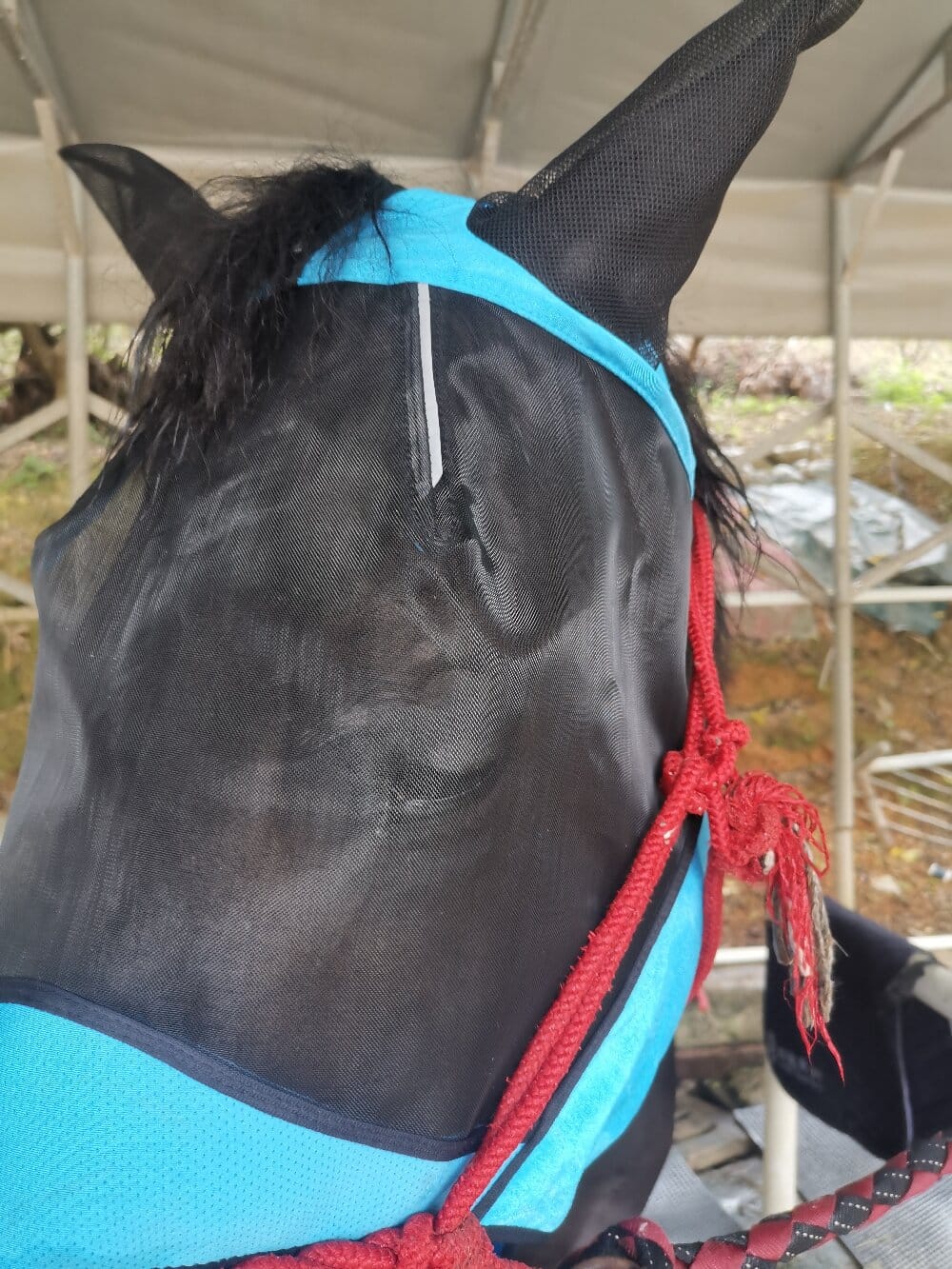
Anyone who has spent a summer at the barn knows the familiar sight of a horse tossing its head, stomping its feet, and rubbing its face against anything within reach. Over the years, many experienced horse owners have come to rely on a horse fly mask as the first line of defense against biting insects, and for good reason. This simple piece of equine gear has evolved dramatically, and sharing practical experience about what works, what doesn’t, and what to look for can save both time and frustration for riders at any level.
What a Horse Fly Mask Actually Does
At its core, a fly mask is a lightweight mesh covering designed to shield the horse’s eyes, ears, and sometimes the muzzle from flies, gnats, and other pests. Longtime barn managers point out that the benefits go beyond simple comfort. Constant insect harassment can lead to head shaking, eye irritation, and even injuries when horses rub their faces against fences or stall walls. A well-fitted mask reduces that stress and helps protect sensitive areas from debris and UV rays as well.
Veterinarians and trainers often note that horses wearing masks during turnout tend to be calmer and more willing to graze. The reduction in fly strikes around the eyes means fewer corneal scratches and less tearing, which is particularly important for horses with light-colored faces or existing eye conditions.
Features to Look for When Choosing a Horse Fly Mask
Experienced owners generally agree that not all masks are created equal. Fit matters more than almost anything else, because a loose mask slides down and a tight one rubs. When evaluating options, consider these key features:
- Mesh density: Finer mesh keeps out tiny gnats and biting midges, while coarser mesh offers better airflow and visibility.
- Ear coverage: Removable or built-in ear covers protect against flies that target the ears, but they must not trap heat.
- Fleece trim: Soft binding along the edges reduces rubbing, especially around the cheekbones and poll.
- Adjustable straps: Hook-and-loop closures under the jaw allow a customized fit that stays secure during rolling and play.
- UV protection: Many masks now offer sun-blocking fabric, which is a bonus for horses with pink skin around the eyes and muzzle.
Real-World Lessons from the Barn
Owners who have used these masks for years have learned a few hard-won lessons. First, always introduce a new mask gradually, letting the horse wear it during supervised turnout before leaving it on all day. Second, check the fit daily, since straps stretch and mesh can snag on fencing. Third, rotate between masks on hot, humid days to prevent sweat buildup and skin irritation underneath the fabric.
Cleaning is another commonly overlooked step. Masks collect dust, hair, and sweat, so washing them regularly with mild soap and letting them air dry keeps the mesh clear and extends the product’s lifespan. Many barns keep a spare on hand so one can dry while the other is in use.
It is also worth noting that masks are not a substitute for a complete fly control program. Pairing them with fly spray, fans in the barn, and proper manure management delivers the best results, according to long-time caretakers.
Final Thoughts on Fly Protection
For anyone managing horses through fly season, a quality horse fly mask remains one of the most cost-effective and reliable tools available. Focusing on proper fit, breathable materials, and consistent maintenance makes a noticeable difference in comfort and eye health. The collective experience of equestrians makes one thing clear: a little attention to detail when selecting and caring for a mask pays off in calmer, healthier horses all summer long.