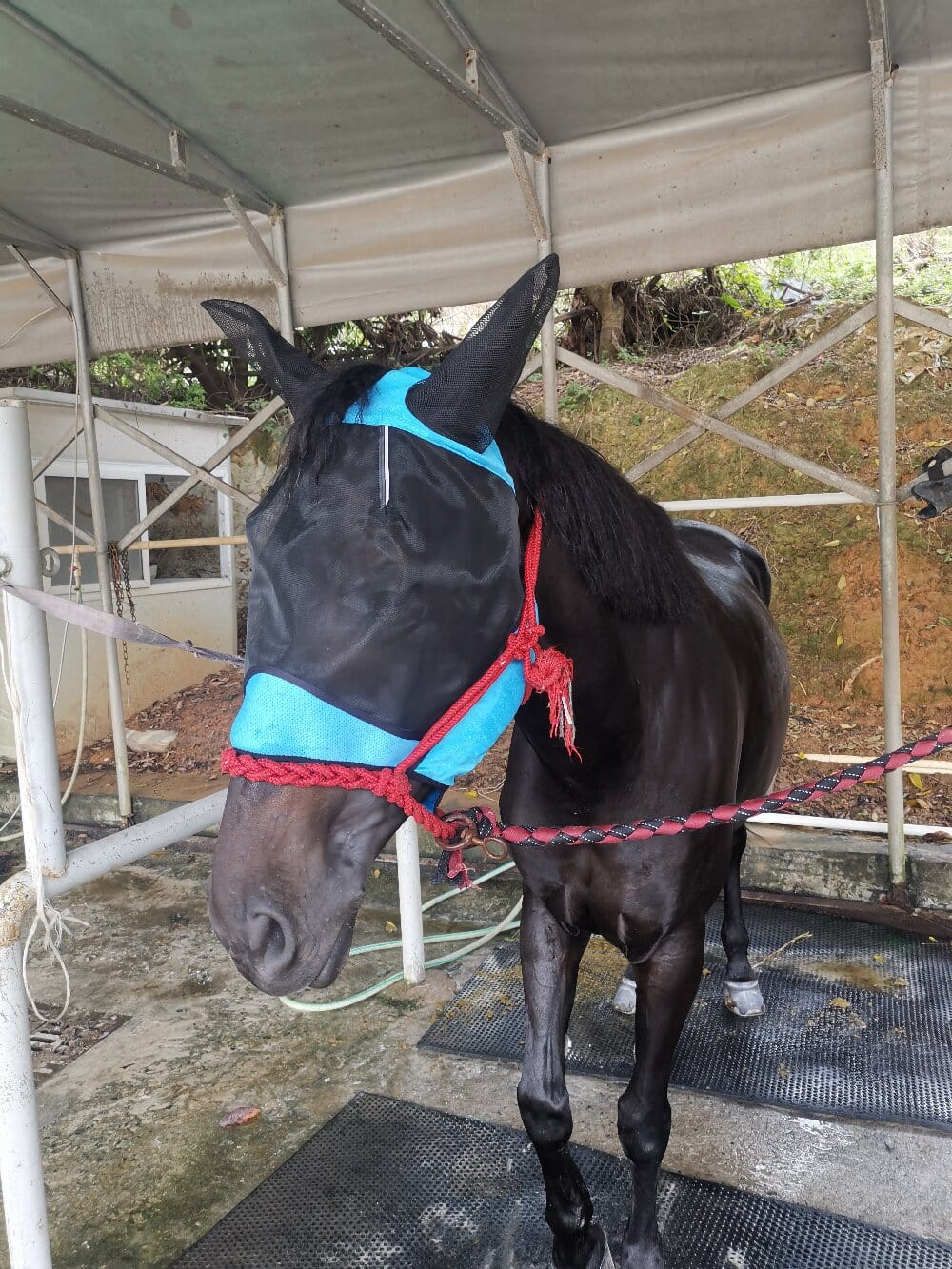
A horse fly mask has evolved from a simple mesh covering into a sophisticated piece of equine protective equipment, shaped by advances in fabric technology, changing climate patterns, and a deeper understanding of equine ophthalmology. In an industry where welfare, performance, and owner education intersect, the fly mask category offers a clear window into how manufacturers, veterinarians, and retailers are responding to demand for smarter, more durable turnout gear.
Seasonal pest pressure remains the primary catalyst for the category. Warmer, longer summers have extended fly activity across many regions, pushing owners to treat insect protection as a year-round investment rather than a summer accessory. Industry analysts also point to rising awareness of equine recurrent uveitis and other eye conditions, which has elevated the fly mask from a comfort item to a preventive health tool. Retailers report that consumers now ask specific questions about UV blocking percentages, mesh denier, and breathability—signals that the market is maturing.
Design and Material Innovation in Fly Protection Gear
Manufacturers have moved well beyond basic nylon mesh. Contemporary products frequently incorporate:
- Fine-gauge mesh that blocks biting insects while maintaining airflow and visibility
- UV-resistant fabrics rated to shield sensitive eyes and pale-skinned faces
- Fleece or bound edge trim to reduce rubbing along the browband and nose
- Reinforced stitching and elasticized straps engineered for turnout durability
- Ear and nose extensions addressing regional pest variations
Comfort-focused engineering has become a competitive differentiator. Longer nose coverage, adjustable throat straps, and ergonomic shaping around the cheekbones are now standard talking points in product catalogs, reflecting feedback from tack shops and equine hospitals alike.
Fit, Welfare, and Veterinary Guidance
Industry experts consistently emphasize that fit determines function. A mask that slips can create pressure points or expose the eyes entirely, while an excessively tight fit risks restricted vision and skin irritation. Veterinary guidance generally recommends daily inspection during turnout season, particularly for horses prone to rubbing or those wearing masks overnight. This has fueled demand for size-inclusive ranges and modular designs that accommodate different head shapes, from refined Thoroughbreds to stockier native breeds.
Retail and E-Commerce Trends Shaping Purchase Decisions
The shift toward online purchasing has changed how fly masks are merchandised. Detailed sizing charts, video fit guides, and customer reviews now influence conversion as much as brand reputation. Subscription replenishment models and multi-packs appeal to yards managing several horses, while premium tiers emphasize warranty coverage and washability. According to trade commentary, the strongest growth is occurring in mid-to-premium segments, where buyers equate higher price points with longer service life and better welfare outcomes.
Sustainability and the Next Phase of Product Development
Environmental considerations are beginning to influence sourcing decisions. Recycled mesh fabrics, reduced plastic packaging, and take-back programs are appearing in brand roadmaps. At the same time, durability remains the most credible sustainability strategy: a mask that survives multiple seasons reduces waste and delivers better value. Industry observers expect continued convergence of protective performance, comfort engineering, and circular design principles in the seasons ahead.
Conclusion
The horse fly mask segment illustrates how a focused accessory can reflect broader equine industry priorities—welfare, innovation, and informed consumer choice. As pest seasons lengthen and owners grow more discerning, success will favor brands that combine proven protection with evidence-based fit guidance and transparent material claims. For retailers, veterinarians, and manufacturers alike, the category rewards those who treat insect protection as part of a complete equine health strategy rather than a seasonal afterthought.