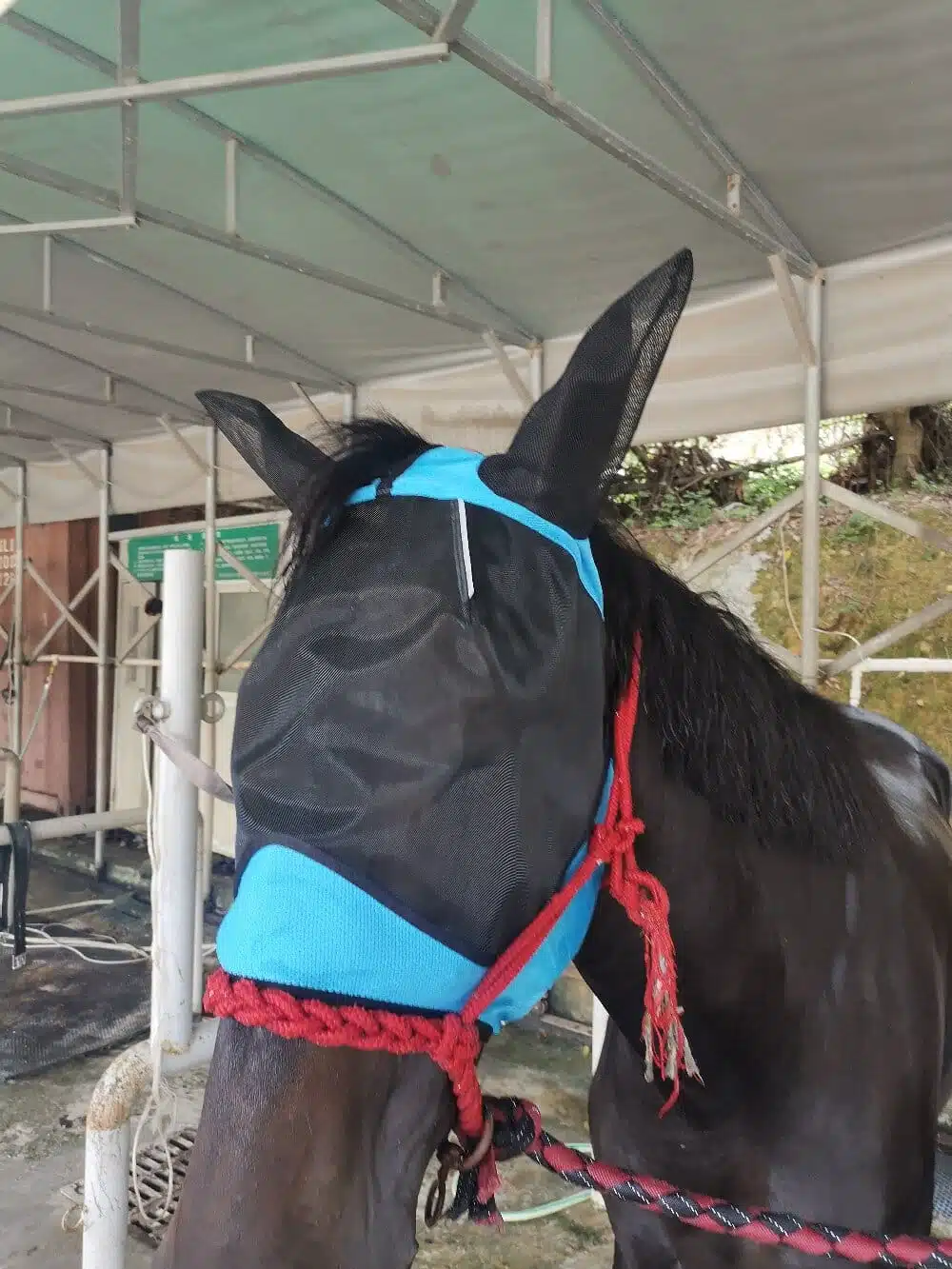

In modern equine management, the horse fly mask has become an essential piece of protective equipment for owners seeking to safeguard their animals from seasonal pests. A case study approach reveals how these simple yet effective covers transform daily care routines, particularly for horses prone to insect-related irritation. By examining real-world applications, it becomes clear why this accessory is no longer considered optional in many stables.
Case Study: A Summer Turnout Scenario at a Midwest Stable
Consider a 12-horse boarding facility in Illinois that historically struggled with summer turnout. Horses returned from pasture with swollen eyelids, rubbed manes, and visible bite marks. The barn manager introduced a fly mask for horses across the herd, selecting breathable mesh designs with fleece-lined edges. Within two weeks, the staff observed a marked reduction in facial irritation and conjunctivitis cases. This practical example demonstrates how consistent use of protective face gear can directly improve herd welfare during peak fly season.
Why a Horse Fly Mask Matters: Key Benefits Observed
Drawing from multiple case reports, the primary advantages of equine face protection include:
- Reducing direct contact between flies and sensitive areas such as the eyes, ears, and muzzle.
- Lowering the risk of insect-borne infections and allergic reactions.
- Minimizing head tossing and stress behaviors linked to pest annoyance.
- Protecting against UV rays for horses with pink skin or eye conditions.
- Supporting healing after eye injuries by keeping debris away.
These observed outcomes align with veterinarian recommendations, especially for horses with recurrent uveitis or seasonal dermatitis.
Selecting the Right Fly Mask for Horses: Lessons from the Field
Not all face covers perform equally. In one comparative case, a rescue center tested three styles over a month. The findings were instructive:
- Fit matters most. Masks that slipped or gaped allowed insects to enter, negating benefits.
- Material affects comfort. Breathable mesh with soft binding reduced rubbing compared to stiffer fabrics.
- Ear coverage is optional. Some horses tolerated ear covers well, while others needed a simpler design.
Owners should measure head length and width before purchase and check daily for fit adjustments. Removing the mask during grooming also allows skin inspection, a practice highlighted in the stable case above.
Maintenance and Durability: A Practical Case Observation
In the Midwest example, masks lasted an average of two seasons with proper care. The staff washed masks weekly in mild soap, air-dried them, and replaced any with broken straps immediately. This routine prevented skin infections under the straps and maintained hygiene. A second case involving a show barn noted that rotating two masks per horse extended product life and ensured a clean cover was always available. These simple habits maximize value and protect equine health.
Conclusion: Evidence Supports Routine Use
The case study perspective confirms that incorporating a horse fly mask into seasonal care plans yields measurable benefits for comfort and health. From reduced eye irritation to calmer turnout behavior, the evidence is consistent. Owners and barn managers should prioritize proper fit, regular cleaning, and careful selection to get the most from this protective gear. As insect seasons intensify, informed use of equine face protection remains a wise investment in every horse’s well-being.