
When you start shopping for a horse fly mask, you will quickly discover that not all masks are created equal. Some are designed for grazing turnout, others for ridden work, and still others for horses with sensitive skin or eye conditions. Taking a comparative approach helps you match the right fly mask to your horse’s specific needs, rather than simply grabbing the cheapest option on the shelf. In this guide, you will learn how different styles stack up against each other so you can make a confident, informed choice.
Horse Fly Mask Styles Compared: Full-Face vs. Earless vs. Extended Nose
The first comparison you should make is between the main styles of fly mask available. Each design serves a different purpose, and your horse’s routine will determine which one works best.
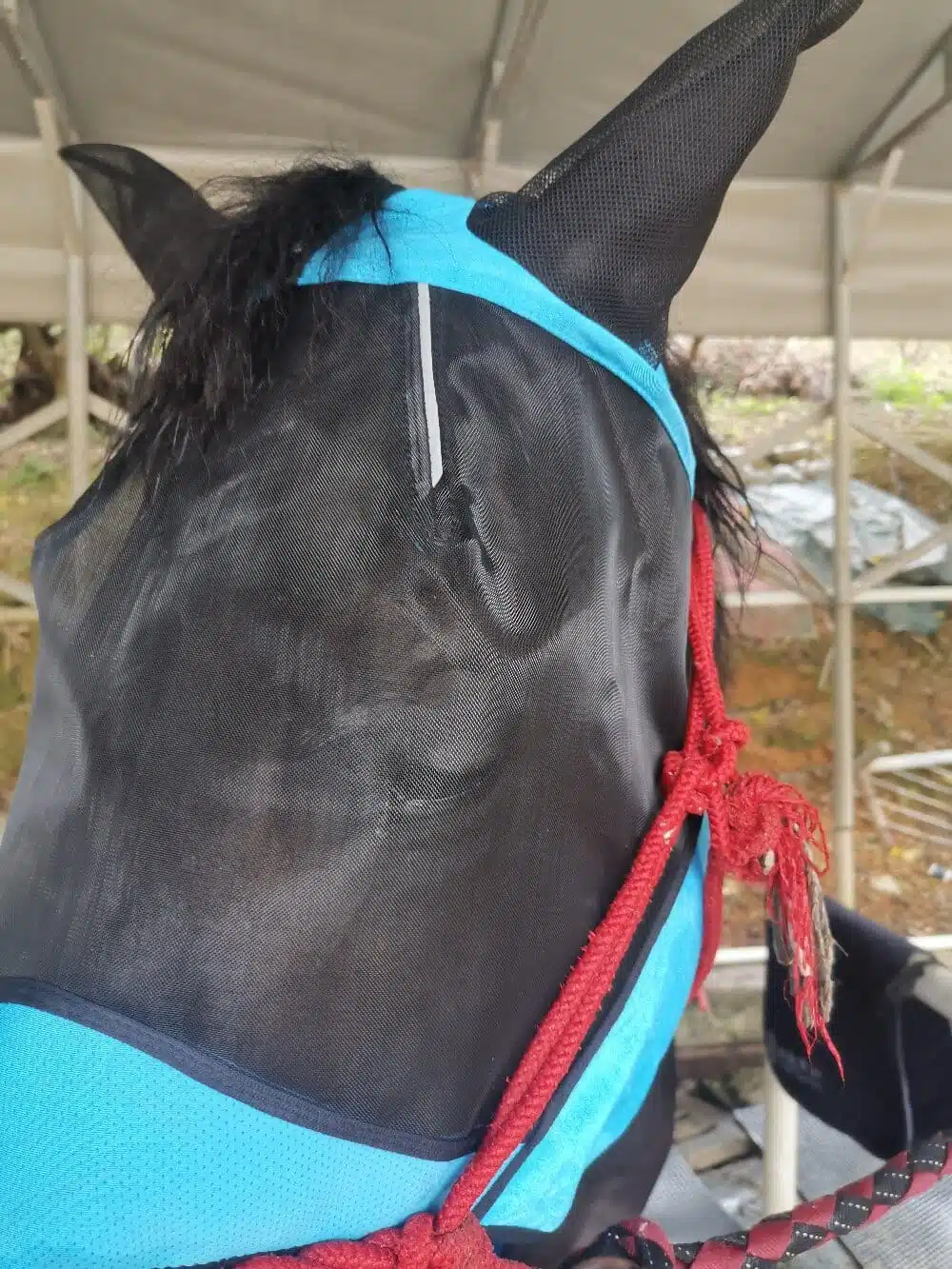
- Full-face masks with ears: These cover the eyes, ears, and sometimes the nose. They offer maximum protection against biting insects, making them ideal for horses turned out in bug-heavy pastures. The ear coverage is especially valuable if your horse is bothered by flies around the head.
- Earless masks: Lighter and cooler, these focus on eye protection only. They suit horses that dislike having their ears covered or those living in milder climates where ear flies are less of a problem.
- Extended-nose masks: These add a nose flap to shield the muzzle from sunburn and flies. They are a smart pick for light-colored horses prone to sunburn on the nose.
When you compare these options, think about your horse’s turnout schedule, coat color, and tolerance for headgear. A full-face design offers the most coverage, but an earless mask may be more comfortable for a horse that fusses with ear covers.
Comparing Materials: Mesh Density, UV Protection, and Breathability
Fabric choice is another key comparison point. Fine mesh blocks tiny insects but can reduce airflow, while coarser mesh allows better ventilation at the cost of some protection. UV-blocking fabrics are worth prioritizing if your horse has pink skin or a history of sun-related eye issues. You should also compare stitching quality and binding, since cheaply finished edges tend to rub and fray. Breathability matters most in hot weather, so look for masks marketed as lightweight or ventilated if you live in a warm climate.
Fit and Fastening Systems Compared
A fly mask only works if it stays in place, so compare closure systems carefully. Velcro straps are quick and adjustable but can collect hair and lose grip over time. Buckle closures are more secure but slower to fasten. Elasticized points of adjustment help the mask move with your horse rather than against it. Fit is equally important: a mask that is too loose will slip and let insects in, while one that is too tight will cause pressure points. Measure your horse’s head before ordering and check the manufacturer’s sizing chart, as sizes vary between brands.
Durability and Price: What You Get for Your Money
Comparing price tags alone can be misleading. A budget mask may need replacing mid-season, while a well-made mask with reinforced seams and quality mesh can last for years. Factor in washability too; masks you can machine wash on a gentle cycle stay hygienic and last longer. When you weigh cost against lifespan, the mid-to-upper price range often delivers better value for daily turnout.
Final Comparison Summary
To choose the best horse fly mask for your situation, compare coverage style, mesh and UV performance, fastening and fit, and long-term durability. Full-face masks with ears suit high-insect environments, earless designs favor comfort and airflow, and extended-nose options protect sun-sensitive muzzles. Prioritize accurate sizing and quality construction over the lowest price, and you will keep your horse protected and comfortable throughout fly season.