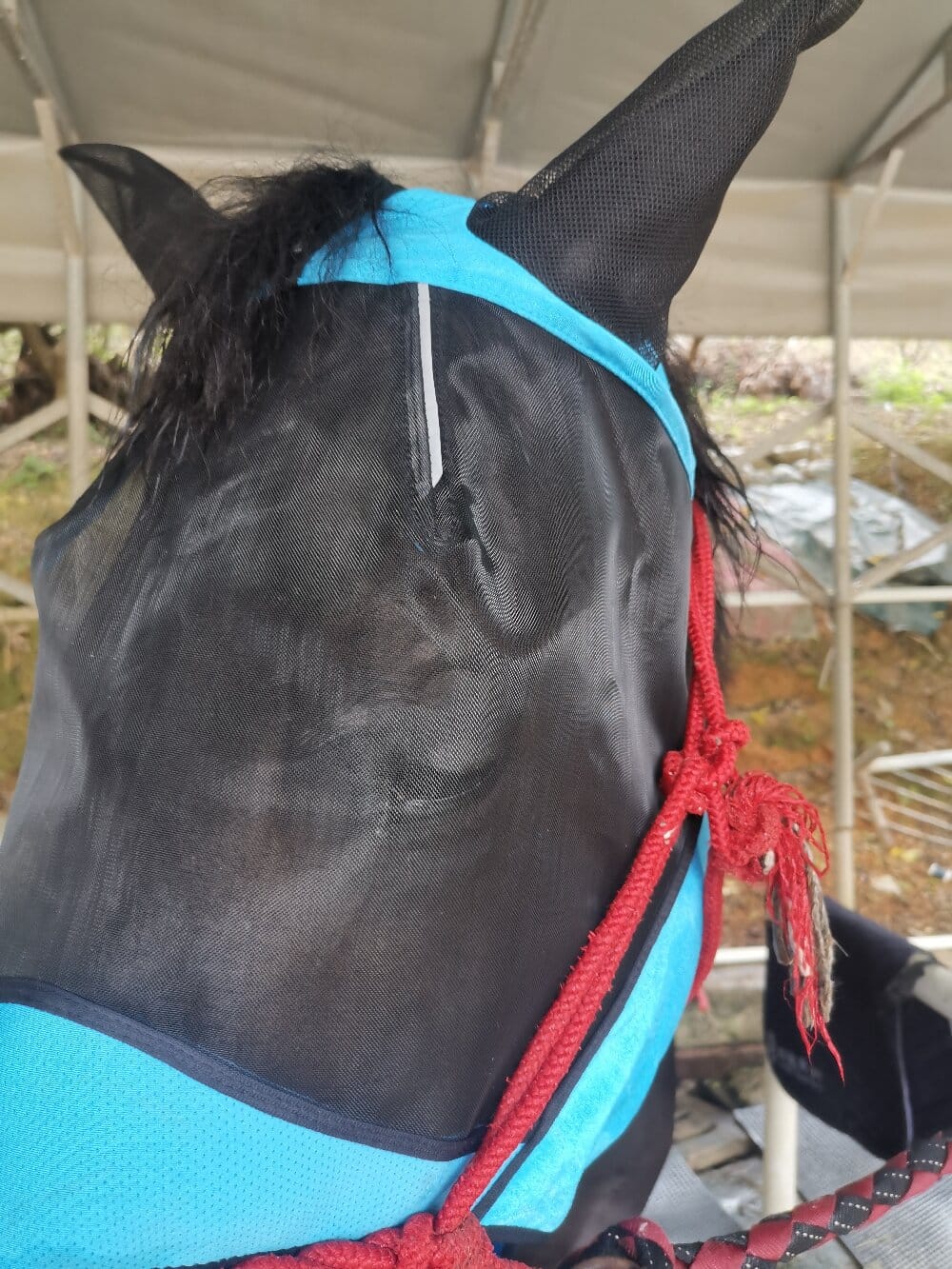
I’ll be honest: for years I resisted putting a horse fly mask on my gelding. I thought they looked fussy, figured he’d tear it off in the pasture, and assumed fly spray was good enough. Then came a brutal July when the deer flies and face flies seemed to target his eyes and ears relentlessly, and I watched him head-shake, rub his face raw on the fence, and generally look miserable. That’s when I ordered my first fly mask for horses, and it genuinely changed our summer routine. If you’re on the fence like I was, here’s what I’ve learned from a few seasons of real-world use.
What a Horse Fly Mask Actually Does for My Guy
The premise is simple: a lightweight mesh veil that covers the eyes, and often the ears, without blocking vision. But the practical benefits surprised me. Since my horse started wearing one, I’ve noticed far less eye irritation, fewer weeping eyes on windy days, and noticeably less face-rubbing. Flies can’t land on the protected areas, which means less annoyance and, importantly, less risk of fly-borne eye issues. I also appreciate that the mesh lets air flow, so he isn’t cooking in the sun. For a horse that lives out most of the time, that breathability matters more than I expected.
How I Chose the Right Fly Mask for My Horse
Shopping for one isn’t complicated, but a few details make a big difference. Here’s my personal checklist:
- Fit around the eyes: The mask should sit off the eyelashes and never press on the eyeball. I measure the distance from his browband to his nose to size correctly.
- Ear coverage: If your horse is bothered by ear flies, look for a mask with ear covers. I learned the hard way that removable ears make cleaning easier.
- Attachment style: I prefer a wide fleece-lined strap under the jaw over thin cord, because it rubs less and stays put without overtightening.
- Mesh density: Fine mesh blocks tiny gnats; slightly more open mesh offers better airflow for hot climates. I keep one of each for different times of year.
- Color and UV protection: Many masks offer UV-blocking fabric, which I like for my pink-skinned horse during peak sun.
My Real-World Routine and the Lessons I’ve Picked Up
My routine is simple: mask on in the morning during fly season, off at night so he can groom and socialize normally. A few hard-earned tips:
- Check fit daily. A mask that shifts can rub, and rubbing is the fastest way to ruin the whole experience.
- Rinse the mesh weekly. Sweat and dust build up, and a clean mask keeps his face healthier.
- Keep a spare. Masks get lost in pastures more often than you’d think, and having a backup saves a miserable fly day.
- Introduce it gradually. I let my horse sniff it, then put it on for short periods before leaving it on all day.
I also learned to inspect seams and straps regularly, since a small tear can quickly become a big one. And if your horse is an escape artist, a breakaway-style strap is worth considering for safety.
Is It Worth It? My Honest Take
For me, the answer is an easy yes. A quality horse fly mask is one of the cheapest, most effective pieces of summer gear I’ve bought, and the difference in my horse’s comfort is obvious. He’s calmer, his eyes look clearer, and I spend less time fussing with sprays and ointments. If you’ve been putting it off like I did, start with a well-fitted mask, check it daily, and give your horse a few days to adjust. Your horse’s face—and your peace of mind—will thank you.