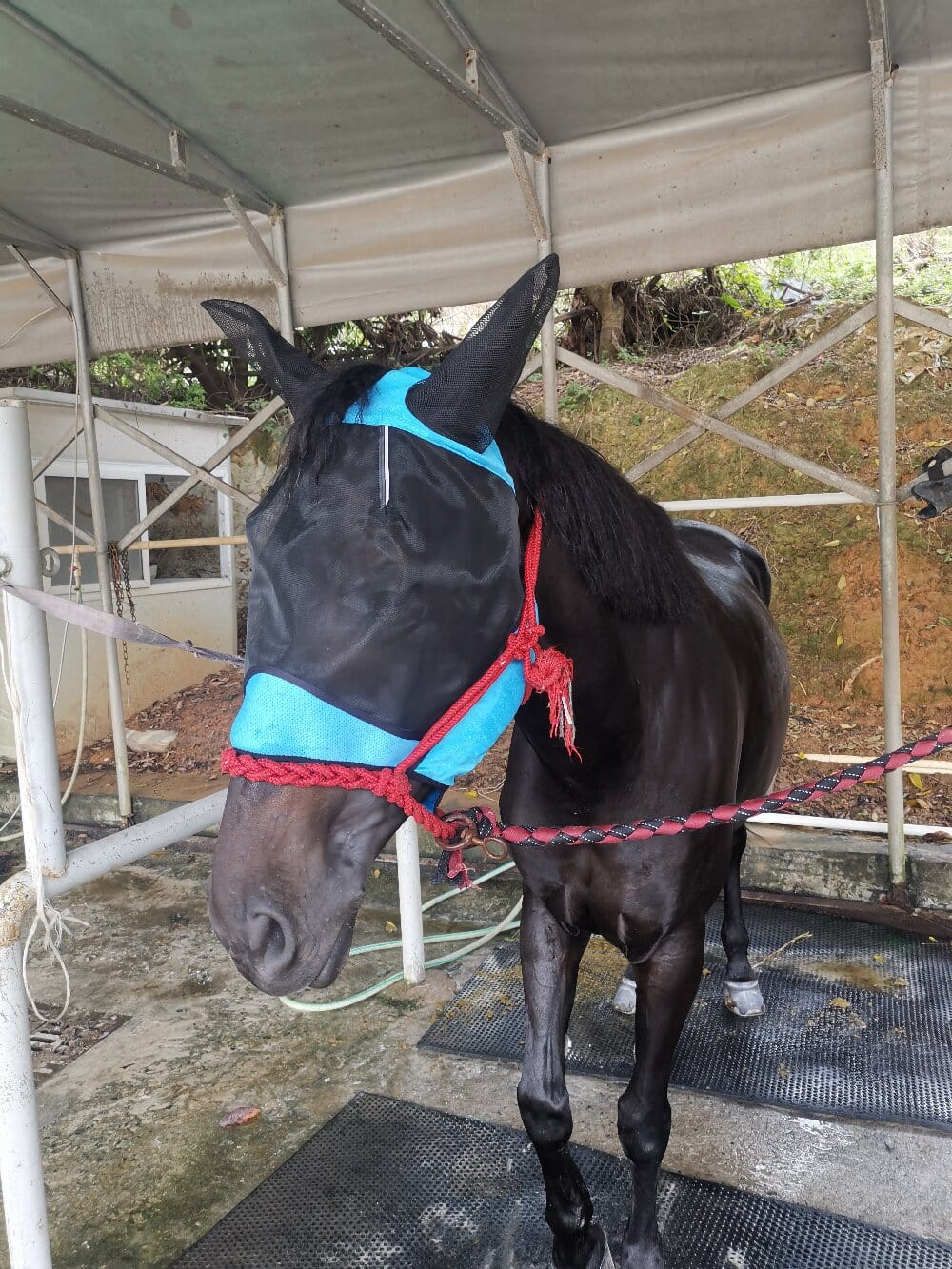
A horse fly mask is a simple yet effective piece of equine equipment designed to shield a horse’s eyes and face from flying insects, debris, and harmful UV rays. While the basic concept has remained unchanged for decades, the market now offers a wide variety of designs, materials, and features. This comparative analysis examines the key differences between fly mask types so owners can make informed decisions based on their horse’s needs, environment, and budget.
Comparing Materials and Construction of a Horse Fly Mask
The first point of comparison is material. Traditional mesh masks use fine polyester or nylon netting that blocks flies while allowing airflow and visibility. Cheaper versions tend to fray at the edges and lose shape after repeated washing, whereas higher-quality masks use durable, UV-resistant mesh with reinforced binding. Mesh density also varies: finer mesh offers better protection against tiny biting midges, while coarser mesh provides greater durability and airflow in hot climates.
Construction details matter as much as fabric. Compare stitching quality, seam placement, and edge binding. Masks with double-stitched seams and soft fleece trim around the edges tend to cause less rubbing, which is especially important for horses with sensitive skin. A well-constructed mask should stay in place without creating pressure points behind the ears or across the forehead.
Fit and Fastening Systems Compared
Fit is arguably the most critical factor in fly mask performance. A mask that is too loose can shift, allowing insects to reach the eyes, while one that is too tight can rub and cause sores. When comparing fastening systems, consider the following:
- Velcro straps: Quick and easy to adjust, but can accumulate hair and lose grip over time.
- Buckle closures: More secure and durable, though slower to put on and remove.
- Elastic bands: Convenient for quick changes but may stretch out and require frequent replacement.
- Pull-on designs: Minimal hardware and reduced rubbing risk, but sizing must be precise.
Owners should also compare ear coverage options. Some masks include ear covers for added protection against flies and biting insects, while others leave ears exposed for better airflow and hearing. Horses with sensitive ears or those living in areas with heavy black fly populations may benefit from full ear coverage.
UV Protection and Visibility Features
Many modern fly masks now include UV-blocking fabric, which can help reduce sun exposure for horses with pink skin or photosensitivity. When comparing products, check whether the manufacturer specifies a UV protection rating. Visibility is another consideration: darker mesh can reduce glare, while lighter mesh offers clearer vision. Some designs incorporate eye darts or shaped panels to keep mesh away from the eyes, improving comfort and reducing rubbing.
Durability, Maintenance, and Value
Price is only one part of the value equation. Compare how well each mask holds up to daily wear, washing, and turnout. Masks with reinforced nosebands and durable binding generally last longer, even if they cost more upfront. Consider machine-washability and drying time as well; masks that dry quickly and retain their shape are more practical for horses turned out daily. Seasonal use patterns also matter—horses in harsh sun and heavy insect environments may need a heavier-duty mask, while those in mild conditions can use a lighter, more breathable option.
Conclusion
Choosing the right horse fly mask requires balancing protection, fit, comfort, and durability. Mesh quality and construction determine longevity, fastening systems affect security and ease of use, and UV features add value for sensitive horses. By comparing these factors against your horse’s environment and needs, you can select a mask that offers reliable protection without compromising comfort.