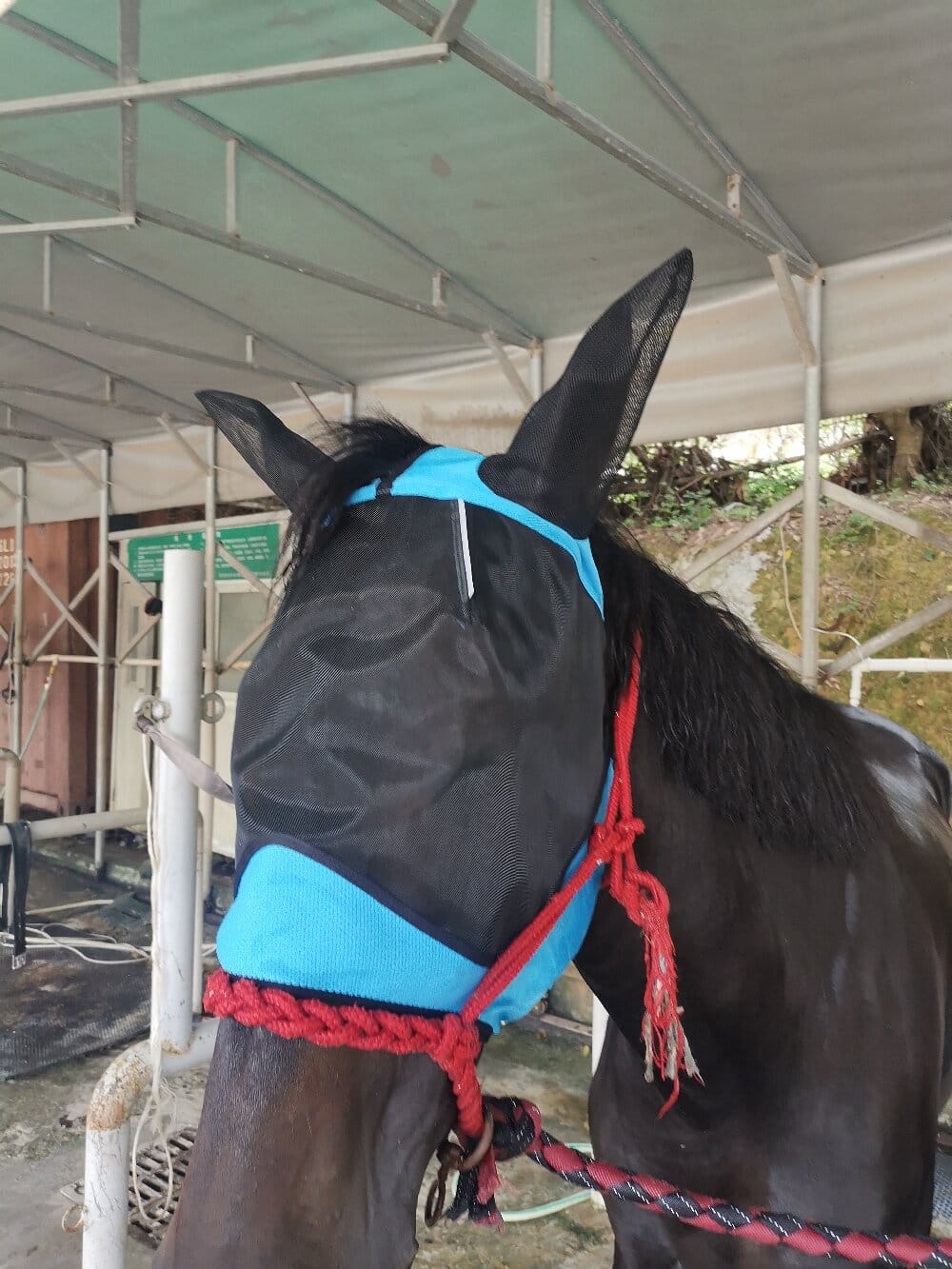
Every summer, horse owners face a familiar and frustrating challenge: clouds of flies that torment their animals. Biting insects such as stable flies, horse flies, and face flies not only cause visible discomfort but also trigger head tossing, stomping, and stress that can undermine training and overall welfare. A well-designed horse fly mask addresses this problem directly by creating a physical barrier between sensitive equine eyes, ears, and muzzle areas and the insects that target them. Rather than relying solely on sprays or ointments that require constant reapplication, a fly mask offers continuous, passive protection during turnout and riding.
How a Horse Fly Mask Solves Common Equine Fly Issues
The primary function of fly protection gear is straightforward: block access. However, solving the fly problem requires more than draping mesh over a horse’s head. Modern masks are engineered to balance visibility, ventilation, and durability. Key problem-solving features include:
- Fine mesh construction that keeps even tiny gnats and face flies away from the eyes while allowing air circulation and unobstructed vision.
- Fleece or soft binding edges that prevent rubbing behind the ears and along the jaw, a common failure point in poorly designed masks.
- Adjustable straps and ergonomic shaping that keep the mask in place during grazing, rolling, and turnout, reducing the risk of loss or injury.
- UV-blocking fabrics that shield pink-skinned areas from sunburn, addressing a secondary health concern for horses with light pigmentation.
- Removable nose and ear covers that extend protection to the muzzle and ear canal, where flies often cluster.
By combining these elements, a quality mask eliminates the daily cycle of chasing flies and treating bites, allowing horses to graze and rest peacefully.
Selecting the Right Horse Fly Mask for Specific Situations
Not every horse or environment presents the same challenge, so matching the mask to the situation is essential. Owners should consider the following problem-solving criteria:
- Turnout versus riding: Full-coverage masks with ear and nose protection suit pasture turnout, while lighter, streamlined versions are better for ridden work and lunging.
- Insect type: In areas with heavy face fly populations, masks with reinforced eye darts and tight mesh are preferable; where stable flies attack the muzzle, masks with extended nose coverage solve the problem more effectively.
- Horse conformation: Draft breeds and ponies often need larger or smaller sizing, and horses with prominent cheekbones benefit from masks with shaped darts that prevent pressure points.
- Weather conditions: Breathable mesh prevents overheating in hot climates, while water-resistant options handle damp pastures without sagging.
Taking measurements and reading sizing charts carefully prevents the most common complaint: masks that slip, twist, or rub. A properly fitted mask stays centered over the eyes and does not interfere with the horse’s field of vision.
Maintenance and Long-Term Fly Control Strategy
Even the best mask requires routine care to remain effective. Daily inspection for tears, stretched elastic, and debris keeps the barrier intact. Washing masks regularly with mild soap removes sweat and dirt that can abrade the mesh and irritate skin. Rotating between two masks extends their lifespan and ensures one is always clean and dry. Combining a horse fly mask with environmental management—such as manure removal, fly traps, and strategic stabling during peak insect hours—creates a layered defense that reduces fly populations at the source rather than merely repelling them at the horse.
Conclusion
Fly season does not have to mean constant irritation for horses or endless management chores for owners. By treating the horse fly mask as a targeted solution—selected for fit, coverage, and durability, then maintained properly—owners can protect their animals from biting insects, reduce stress-related behaviors, and support healthier skin and eyes throughout the warmer months. A thoughtful combination of the right mask and sensible barn hygiene delivers reliable, season-long relief.