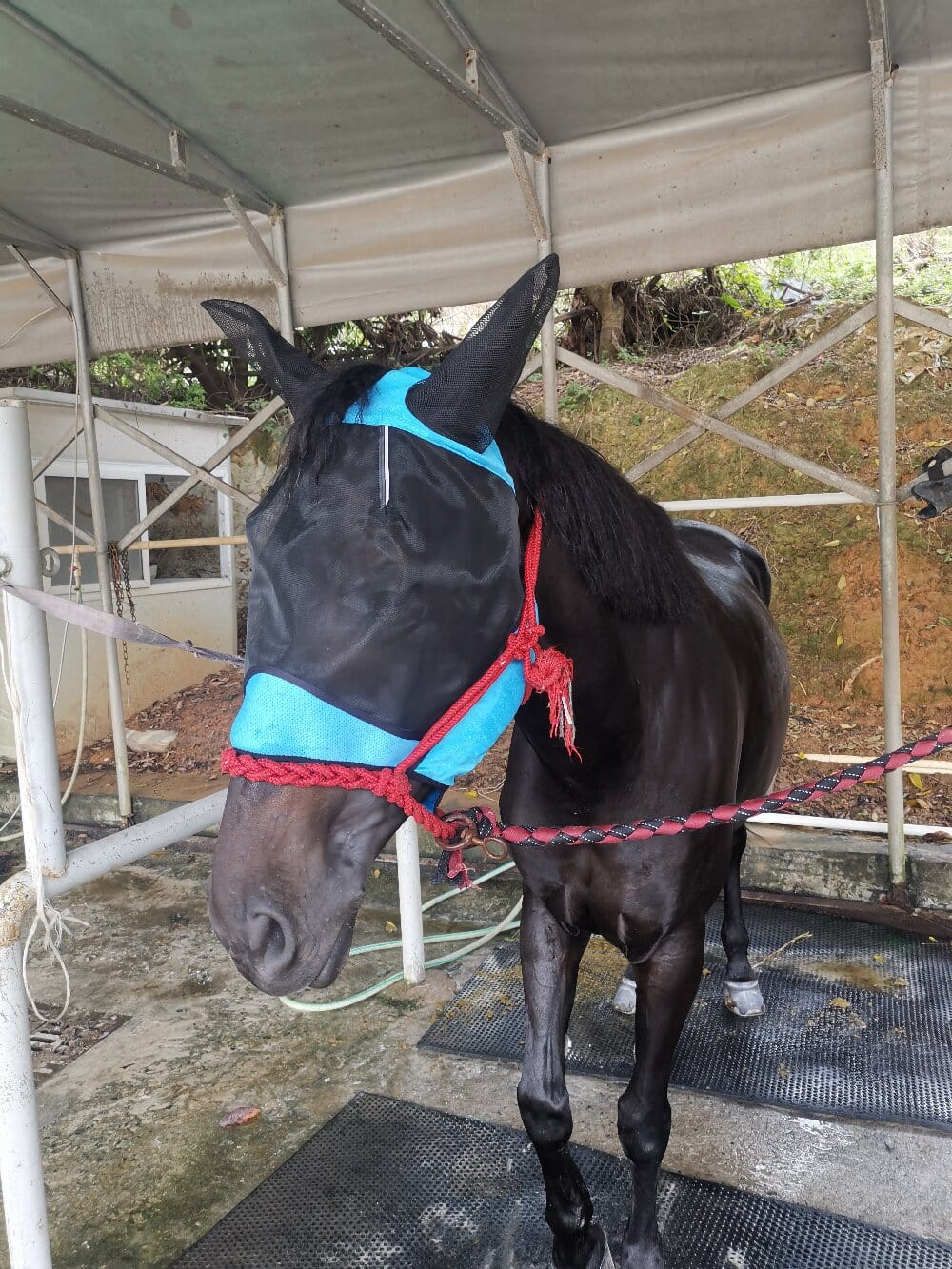

In stables from the green pastures of Ireland to the sun-baked ranches of Texas, the horse fly mask has become an unmistakable piece of equestrian gear. Yet this simple piece of mesh is more than a seasonal accessory; it reflects how different cultures understand animal welfare, landscape, and the relationship between humans and horses. A fly mask for horses is a small object that carries a surprisingly rich cultural story, one that blends practicality with tradition, science with folklore, and comfort with care.
The Horse Fly Mask as a Cultural Artifact of Care
Look closely at how horsemen and women around the world talk about the equine fly mask and you will notice distinct cultural attitudes. In many European traditions, stable management is steeped in centuries of documented practice, and the fly mask is treated as a routine part of summer turnout, discussed in the same breath as grooming schedules and pasture rotation. In parts of the American West, where horses often work alongside cattle and cover long distances, the emphasis tends to fall on durability and freedom of movement, so masks are chosen for toughness as much as for softness. Among endurance riders in the Middle East, the fly mask is valued for protecting sensitive eyes from desert sun as much as from insects. These variations show that the same object can mean slightly different things depending on the landscape and the local horse culture.
Traditional Wisdom Meets Modern Materials
Older generations of horse people often recall homemade remedies: tassels of leather, scented herbs braided into manes, or cloth fringes hung from browbands to keep flies away. The modern fly mask for horses is, in a sense, the descendant of these folk practices, refined by engineering. Breathable mesh, fleece binding, and ear coverage are relatively recent innovations, but the underlying idea—shielding a horse’s most delicate features from biting insects—is ancient. Recognizing this continuity helps us appreciate why the fly mask feels familiar even to riders who have never studied equine science. It is a cultural bridge between inherited horsemanship and contemporary veterinary knowledge.
Regional Styles and the Equine Fly Mask
Travel through different horse-keeping communities and the regional flavor of fly protection becomes clear:
- Northern Europe: Masks with long nose coverage are common, reflecting wet summers and dense fly populations near waterways.
- Mediterranean regions: Lighter colors and ventilated ear nets are favored to reduce heat stress under strong sun.
- North America: A wide range of designs, from simple eye-only masks to full-face versions with ear and muzzle protection, mirrors the continent’s varied climates.
- Australia and New Zealand: Rugged, UV-resistant fabrics dominate, shaped by long dry seasons and intense sunlight.
Each of these choices is a quiet cultural statement about local conditions and local priorities.
Symbolism, Welfare, and the Fly Mask for Horses
Beyond utility, the fly mask carries symbolic weight. Putting a mask on a horse can signal attentiveness—a visible sign that the animal’s comfort is being monitored. In therapeutic riding programs, masks are sometimes introduced gently to accustom horses to handling, turning a practical item into a tool for building trust. Meanwhile, debates about mask design and fit reveal cultural differences in how welfare is interpreted: some communities prioritize minimal interference, while others embrace protective gear as an expression of stewardship. The fly mask for horses thus sits at the intersection of ethics, tradition, and everyday horsemanship.
Conclusion
The horse fly mask is a modest object with an outsized cultural footprint. From folk remedies to modern breathable mesh, from regional design preferences to evolving ideas about animal welfare, it tells us how different communities care for their horses and how tradition adapts to new knowledge. Understanding the fly mask culturally, not just practically, enriches the way we choose, use, and appreciate this everyday piece of equestrian equipment.