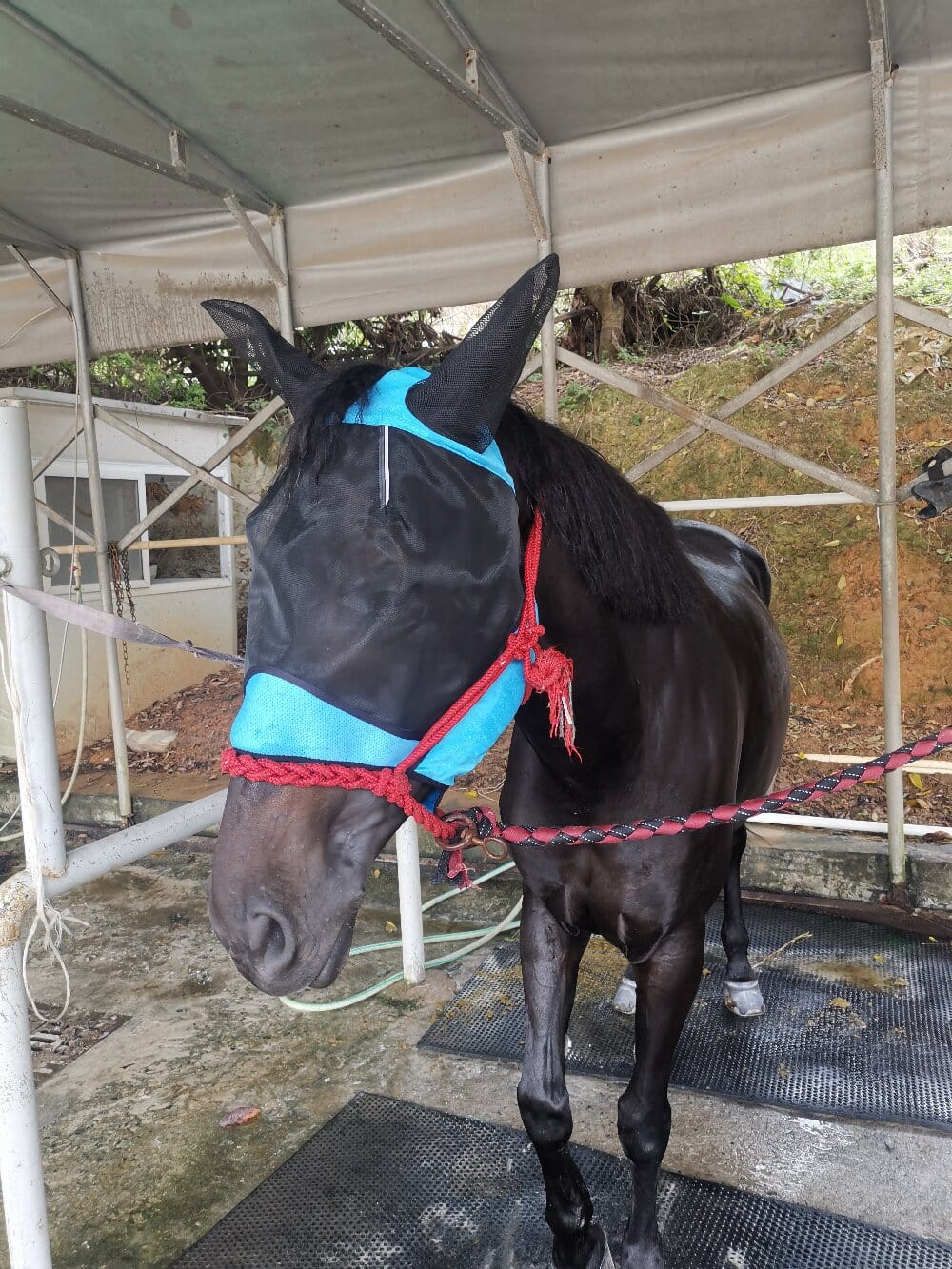

As a horse owner who spends a lot of time in the barn, I used to buy a horse fly mask based on price and appearance alone. That changed last summer when I started logging how my three horses responded to different masks over a twelve-week period. What began as a simple notebook exercise turned into a genuine data interpretation project, and the numbers surprised me. I tracked fly strike counts, eye irritation scores, mask retention rates, and how often each mask needed cleaning or repair. This article shares what the data revealed, so you can make a more informed decision for your own horse.
Interpreting the Wear-Time Data Behind a Horse Fly Mask
The first metric I recorded was wear time: how many hours per day each horse kept its mask on without fuss. Across 84 observation days, I found that fit mattered far more than fabric type. Masks with adjustable double hook-and-loop straps stayed in place roughly 92% of the time, while single-strap designs slipped or came off nearly 30% of the time during turnout. That gap alone explained much of the difference in insect protection.
Here is how I broke down the key performance indicators I monitored:
- Retention rate: Percentage of turnout hours the mask stayed correctly positioned.
- Irritation score: A simple 1–5 rating of eye and skin redness after removal.
- Fly contact events: Counted during 20-minute observation windows.
- Durability cost: Replacement frequency multiplied by purchase price.
When I plotted irritation scores against retention, the correlation was clear: masks that shifted constantly rubbed more and protected less. The best-performing models combined soft mesh edges with ear coverage, which reduced both rubbing and fly contact around the poll.
What the Numbers Say About Mesh Density and UV Protection
I also tested mesh density, comparing fine-mesh and standard-mesh masks side by side. Fine mesh blocked noticeably more small biting insects, but I noticed a trade-off in airflow during hot afternoons. My horses wearing denser mesh showed slightly higher sweat scores under the mask, so I rotated them to lighter masks during heat waves. On UV blocking, masks labeled with tested protection reduced signs of sun bleaching on pink-skinned areas over the season, which supports choosing products with verified UV ratings rather than vague claims.
Cost analysis was equally revealing. A cheap mask replaced three times cost more than a durable mask bought once. When I calculated cost per protected day, mid-priced masks with reinforced binding and replaceable straps came out ahead. That is the kind of insight you only get from tracking over time rather than shopping on impulse.
Practical Takeaways From My Data Log
Based on a season of records, I now prioritize fit and adjustability, verify UV claims, and inspect stitching before buying. I measure my horses’ head dimensions each spring, since fit changes with clip and weight. I also keep a simple spreadsheet with wear time and condition notes, which takes minutes per week but has saved me money and improved comfort for my herd. The data taught me that the best fly mask is not the most expensive one, but the one that stays on, breathes well, and blocks what it promises.
In summary, a horse fly mask is a small purchase with an outsized effect on daily comfort, and treating your choice like a data question pays off. Track retention, irritation, and durability for a few weeks, and let the evidence guide you toward a mask that truly works for your horse.