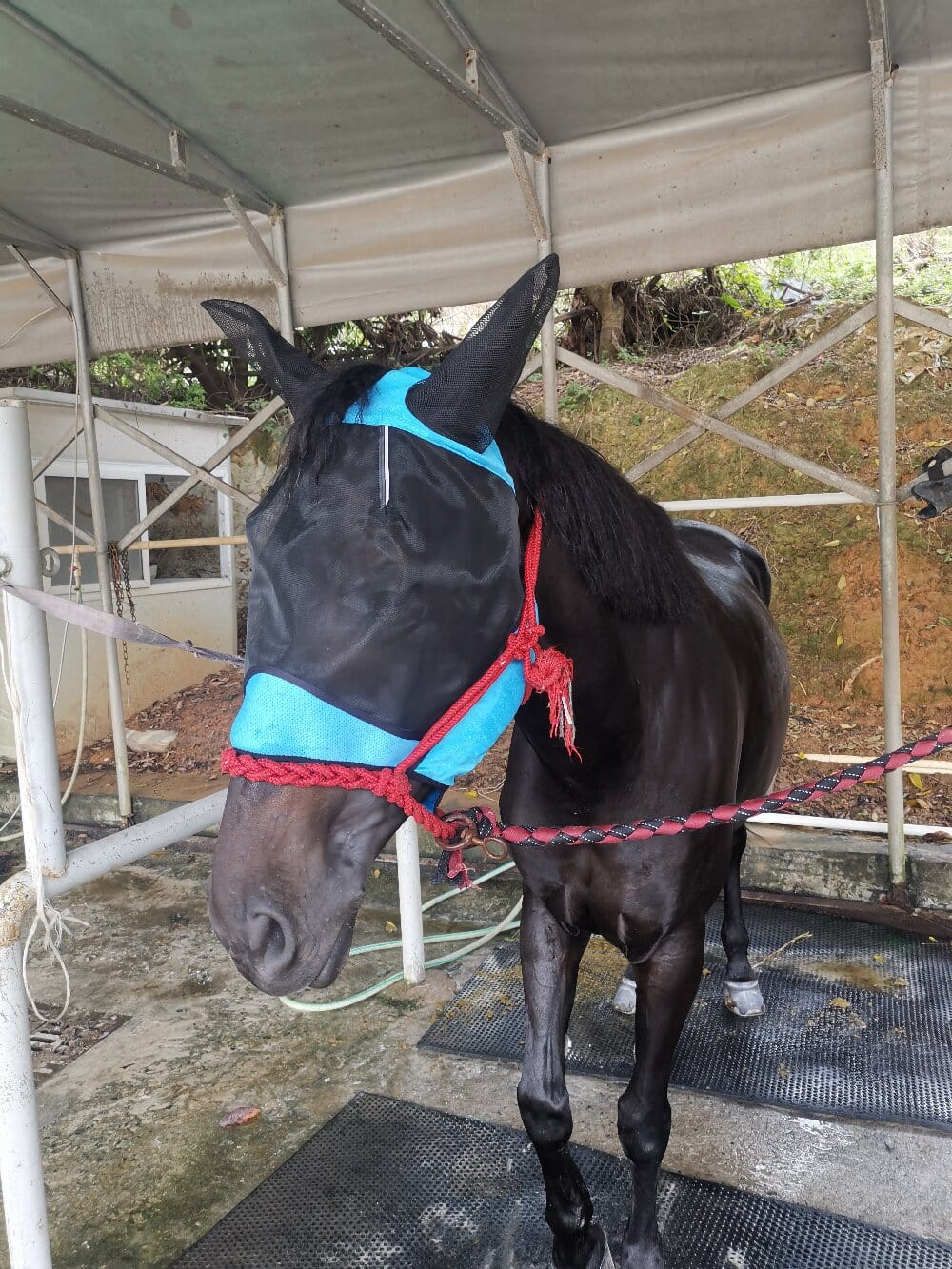

If you have ever watched your horse stamp, toss its head, and rub its face raw against a fence, you already know the misery that flies can cause. A quality horse fly mask is one of the simplest, most effective solutions you can add to your daily turnout routine. Instead of reaching for sprays and ointments every few hours, you can give your horse continuous, breathable protection that keeps pests away from the eyes, ears, and muzzle. This guide takes a problem-solving approach, walking you through the most common fly-related issues and showing you exactly how to match the right mask to your horse’s needs.
Identify the Problem Before You Shop for a Horse Fly Mask
Not every horse faces the same challenges, so start by observing what actually bothers your animal. Different pests and conditions call for different mask designs:
- Face flies and house flies cluster around the eyes and cause constant blinking, tearing, and head shaking. A standard mask with fine mesh over the eyes solves this quickly.
- Gnats and midges target the ears and the delicate skin along the jaw. Look for masks with ear covers or extended nose protection.
- Sun sensitivity and photosensitivity can damage pale-skinned noses and around the eyes. A mask with UV-blocking fabric and a nose extension provides relief.
- Pinkeye and eye injuries require a mask that keeps irritants out while allowing clear vision and airflow.
Once you know which pest or condition is causing the problem, choosing a mask becomes far easier. Write down what you observe over a few days, then match those notes to the features below.
Match the Horse Fly Mask to Your Horse’s Lifestyle
Turnout conditions matter as much as the pests themselves. If your horse lives in a herd, choose a mask with reinforced stitching and sturdy binding, because playful pasture mates will grab and pull at it. For horses on full turnout in harsh sunlight, prioritize breathable mesh with a high UV rating. Stabled horses that wear a mask only during daytime exercise can get away with a lighter, more streamlined design. Also consider the fit around your horse’s unique head shape: draft crosses and warmbloods often need larger sizing, while ponies and Arabians may need adjustable straps to prevent gaps where insects can sneak in.
Key Features to Look For in a Fly Mask for Horses
Use this checklist to evaluate any mask before you buy:
- Fine mesh density: Tight enough to block tiny gnats but open enough for airflow and clear vision.
- Soft fleece or rolled edges: Prevents rubbing along the browband and cheek areas during long wear.
- Adjustable closures: Hook-and-loop straps under the throat allow a secure fit without pressure points.
- Ear and nose coverage: Optional extensions protect sensitive areas without obstructing hearing or breathing.
- Durable stitching and reinforced seams: Extends the life of the mask through mud, rain, and rough play.
- UV protection: Essential for horses with pink skin or a history of sunburn.
Solve Common Fit and Wear Problems
Even a well-made horse fly mask can cause trouble if it fits poorly. If your horse rubs the mask off, the throat strap is likely too loose or the browband sits too low. If you notice hair loss or sores, switch to a design with fleece trim and check daily for debris trapped underneath. Masks that shift sideways usually need a different size rather than a tighter strap. Finally, inspect the mask each morning for tears and dirt, and wash it weekly with mild soap to keep it hygienic and effective.
Conclusion
Flies are more than a nuisance; they cause stress, eye irritation, and sometimes serious infection. By identifying the specific pest problem, matching the mask to your horse’s turnout routine, and checking for quality features like fine mesh, soft edges, and adjustable straps, you can stop the cycle of head shaking and rubbing for good. A properly fitted horse fly mask is a small investment that pays back every single day of the fly season, keeping your horse comfortable, calm, and protected.