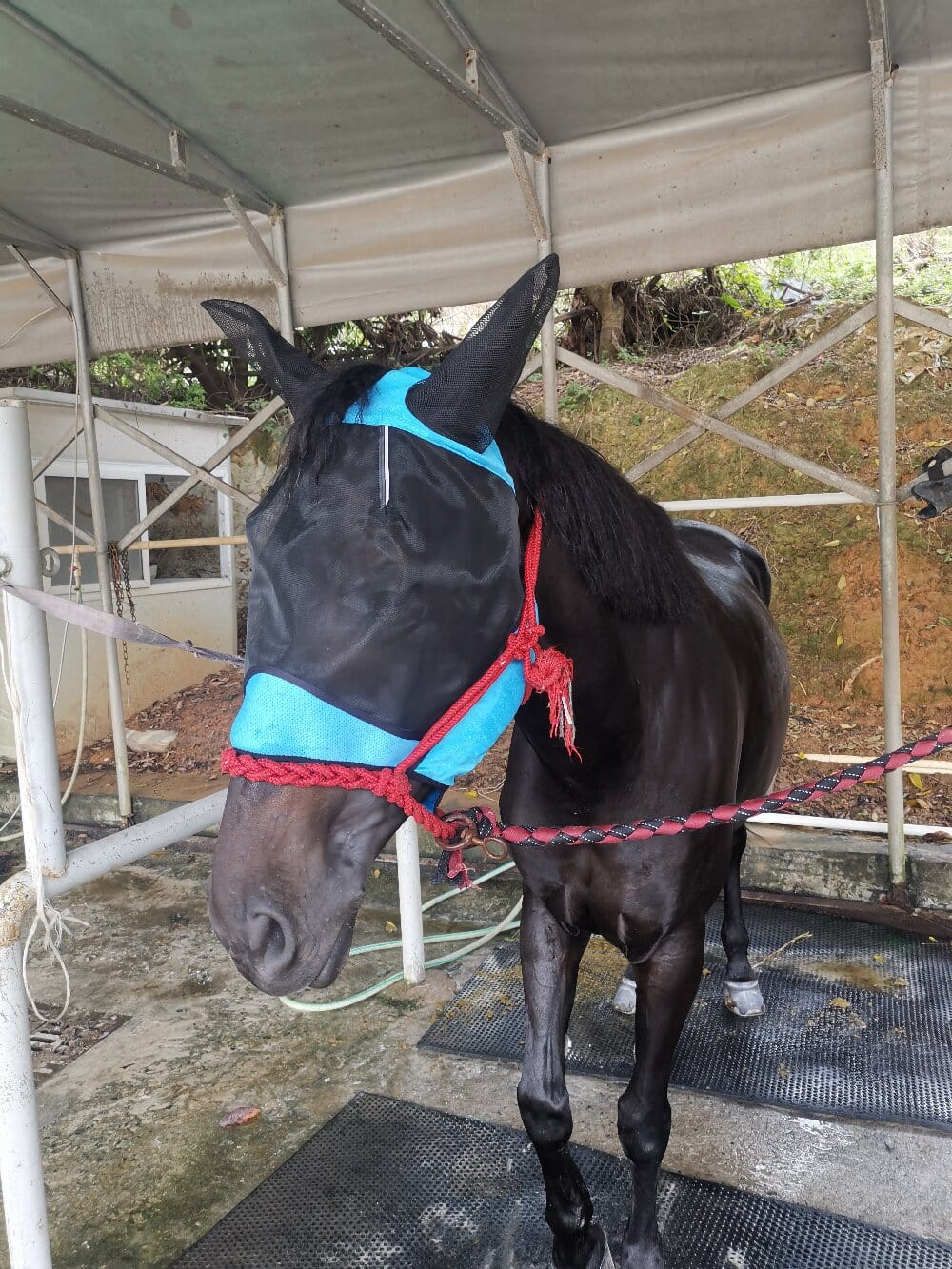

When I evaluate a horse fly mask from a technical standpoint, I am looking at far more than a piece of mesh fabric. A well-designed fly mask for horses is a precision-built piece of protective equipment, engineered to balance visibility, airflow, durability, and fit. In my experience reviewing equine gear, the difference between a budget mask and a premium one comes down to material science and structural design, and that distinction matters enormously for horses that spend long hours in pasture or under saddle in insect-heavy environments.
Material Science and Mesh Density in a Quality Horse Fly Mask
The core of any fly mask is its mesh. From a technical perspective, mesh density is measured in grams per square meter and in pore size, and both figures directly affect protection versus visibility. In my analysis, the best masks use a fine, tightly woven mesh that blocks flies and biting midges while still allowing roughly 60 to 70 percent light transmission. Cheaper masks often use coarser mesh that lets tiny pests through, which defeats the purpose entirely. Look for UV-stabilized polyester or nylon, since untreated mesh degrades quickly under solar exposure. I also favor mesh with a soft, rounded edge construction rather than heat-sealed edges, because sealed edges tend to crack and fray after repeated washing.
Structural Fit, Straps, and Pressure Distribution
Fit is where technical design either succeeds or fails. A horse fly mask must stay in place during rolling, grazing, and turnout without creating pressure points. In my testing, the strongest designs use a multi-point strap system, typically two under the jaw and one over the poll, with adjustable hook-and-loop closures. Fleece padding at the brow and noseband is not cosmetic; it distributes load and prevents rub marks. I pay close attention to ear coverage as well. Removable or stretch ear covers made from breathable lycra protect against midges without trapping heat. A mask that shifts sideways within minutes is a design failure, no matter how good the mesh looks on paper.
UV Protection, Visibility, and Field Performance
Beyond insect exclusion, a good fly mask for horses serves as a UV shield. Technically, fabrics rated UPF 50 or higher block over 98 percent of UV radiation, which helps reduce sunburn on pink-skinned areas and may lower the risk of certain eye conditions. I also assess visibility from the horse’s perspective. Dark or heavily tinted mesh can cause shadowing and spook sensitive animals, so I generally recommend light-colored mesh for nervous horses. Field performance testing matters too: check for stitching reinforcement at stress points, breathability ratings, and whether the mask retains shape after machine washing. These are the metrics that separate genuine protective gear from disposable accessories.
Conclusion
From a technical analysis standpoint, selecting a horse fly mask is an exercise in evaluating materials, fit geometry, and UV performance rather than simply picking a color. Prioritize fine UV-stabilized mesh, a secure multi-strap system with fleece padding, and reinforced stitching, and you will have a mask that protects your horse season after season. In my view, that engineering discipline is exactly what every equine owner should demand.