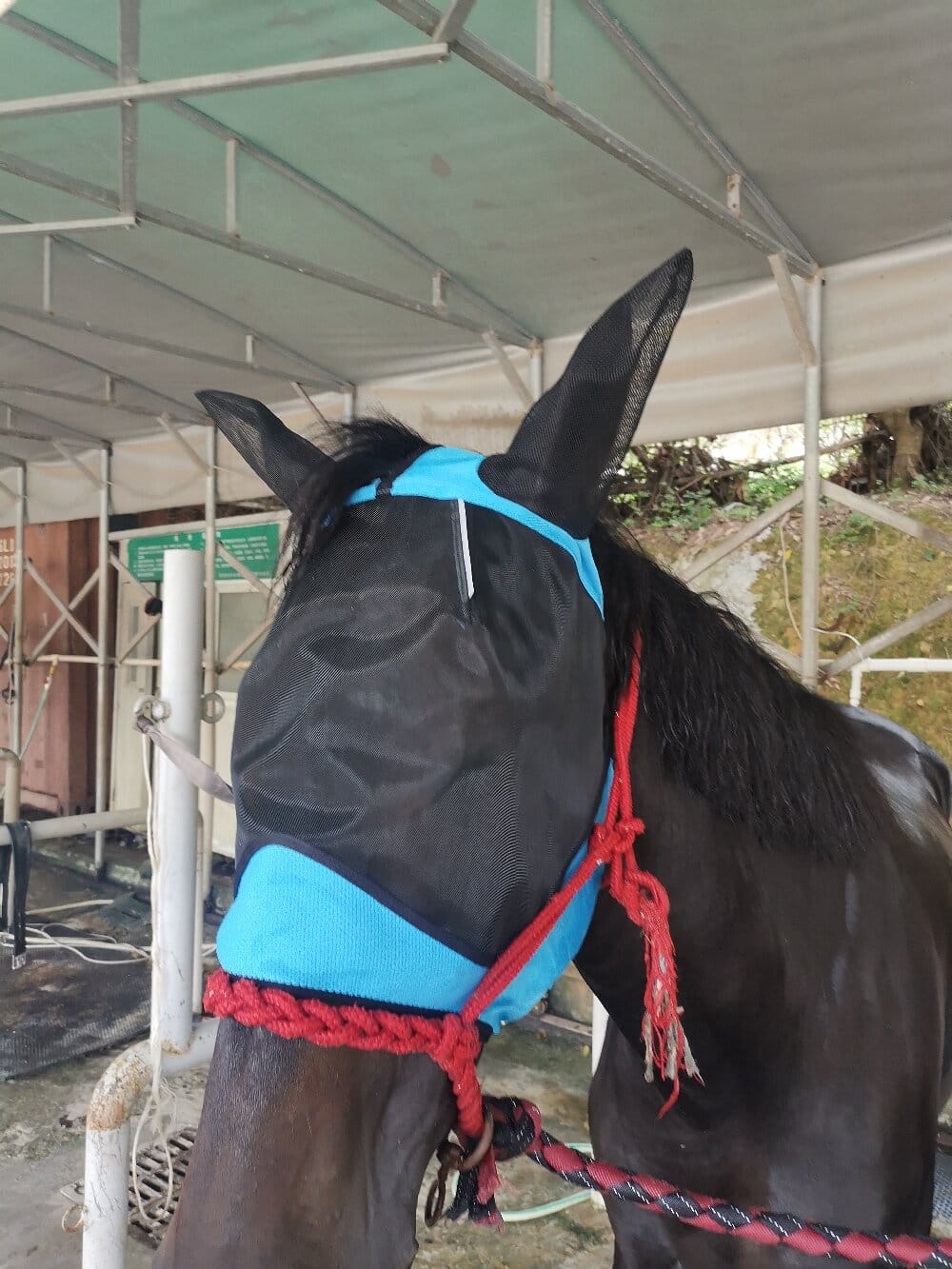
I never thought much about a horse fly mask until the summer my mare, Ruby, came in from turnout with her eyes swollen half shut. I blamed allergies first, then dust, then the neighbor’s hay bales. It took my vet about thirty seconds to point at the cloud of flies hovering around the gate and say, “That’s your problem.” That was the beginning of a two-year experiment with fly masks, and honestly, a lesson in how much a simple piece of mesh can change a horse’s daily life.
What a Horse Fly Mask Actually Does
For anyone new to horsekeeping, a fly mask is a lightweight mesh cover that fits over the horse’s face, usually secured with fleece-lined straps behind the ears and under the jaw. It blocks flies, gnats, and midges from landing on the eyes and muzzle, and many designs also filter a percentage of UV rays. In my case, Ruby’s issue wasn’t just discomfort — it was a mild case of conjunctivitis triggered by face flies, and the mask became part of her recovery plan alongside ointment and fly spray.
Case Study: Ruby’s First Season in a Horse Fly Mask
I bought three masks that first summer, ranging from a bargain-bin mesh to a mid-priced ergonomic design. Here’s what I learned:
- Fit matters more than price. The cheapest mask rubbed Ruby’s cheekbones raw because the sizing ran small. The mid-priced one with adjustable straps stayed put and caused no rubs.
- Fleece edging is not a luxury. Any mask without soft binding around the nose and browband left visible marks within a week of daily wear.
- Ear holes need room. Ruby flicked one mask off repeatedly because the ear openings pinched. Once I switched to a design with wider ear clearance, the mask stayed on through turnout, rides, and even rolling.
- Visibility is essential. I tried a dark mesh for “style” and quickly went back to a lighter color; Ruby seemed calmer and I could spot her mask easily in the pasture.
By week three, her eyes were clear, she stopped head-tossing at the gate, and my vet noted less squinting during the follow-up exam. The mask didn’t cure anything on its own, but it removed the trigger that kept reinfecting her.
Choosing the Right Fly Mask for Your Horse
After that first season, I developed a short checklist I now run through before buying any fly mask:
- Measure your horse’s head — from browband to jaw — rather than guessing from breed alone.
- Look for soft fleece or neoprene binding at every contact point.
- Check that the mesh over the eyes is fine enough to stop gnats but sheer enough for clear vision.
- Confirm the ear openings allow full movement without pressure.
- Consider a detachable nose piece if your horse is bothered by midges around the muzzle.
- Buy two masks if your horse lives out — one to wear, one to wash.
Lessons From the Field
My biggest takeaway from the case study is that a horse fly mask is preventive equipment, not a cosmetic accessory. Used consistently, it reduced Ruby’s eye irritation, cut down on fly spray application, and made turnout far less stressful for both of us. I also learned to inspect masks daily for snags and to wash them weekly in mild soap — dirty mesh defeats the purpose. If your horse squints, rubs its face on fences, or comes in with watery eyes each summer, a properly fitted mask is one of the cheapest, kindest interventions available.
Final Thoughts
Two summers on, Ruby wears her horse fly mask from May through September, and the difference is night and day compared with that first miserable season. Fit, comfort, and consistent use matter far more than fancy features or brand names. If you take one thing from this case study, let it be this: measure carefully, invest in soft edging, and treat the mask as part of your routine — your horse’s eyes will thank you.