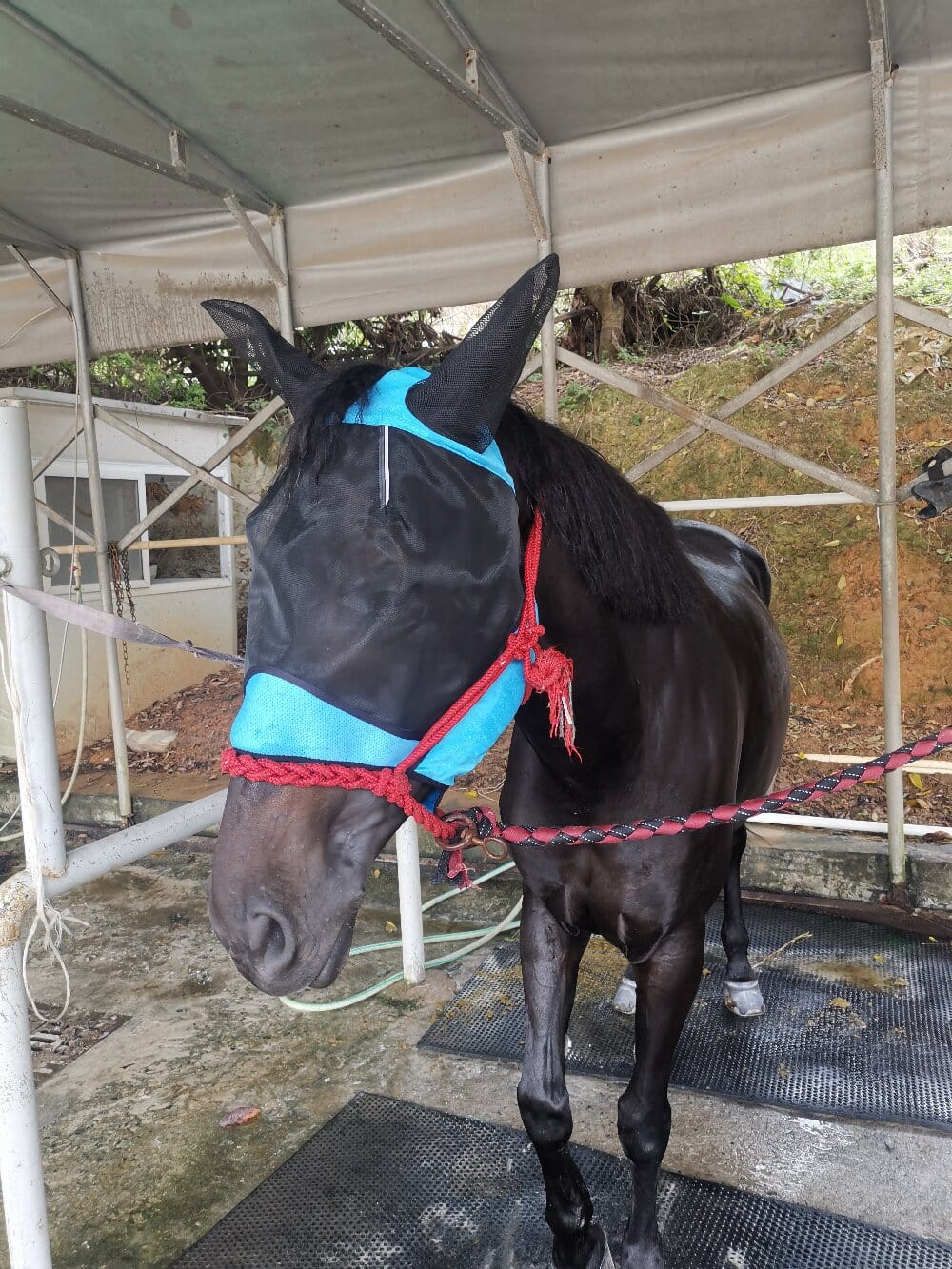
I still remember the first summer I used a horse fly mask on my gelding, and honestly, I wished I had started years earlier. If your horse comes in from turnout with welts around the eyes, constant head shaking, or weepy eyes, a quality fly mask is one of the simplest, most effective pieces of protective tack you can buy. In this practical guide, I’ll walk you through what I’ve learned about choosing, fitting, and maintaining one, so you can keep your horse comfortable through fly season and beyond.
Flies, gnats, and other biting insects target the face because the skin there is thin and sensitive. A well-made horse fly mask acts as a physical barrier, reducing irritation, helping prevent insect-borne infections, and protecting against UV rays that can damage sensitive skin around the eyes. I’ve also found that masks cut down on the rubbing and head tossing that come from relentless fly pressure, which makes for a calmer, happier horse.
How to Choose the Right Horse Fly Mask
Not all masks are created equal, and the wrong one can cause more problems than it solves. Here’s what I check before buying:
- Coverage: Look for masks with ear protection and a nose extension if your horse is bothered by gnats and midges, not just face flies.
- Material: Breathable mesh keeps air flowing while blocking insects; durable binding and reinforced seams extend the mask’s life.
- UV protection: If your horse has pink skin or a history of sunburn, prioritize masks with UV-blocking fabric.
- Fit and adjustability: Look for adjustable straps and plenty of clearance around the eyes so the mesh never touches the eyelashes.
- Fastenings: Buckle or hook-and-loop closures both work, but I prefer secure buckles for horses that like to rub masks off on fences.
Getting the Fit Right: A Step-by-Step Check
Proper fit is where most fly mask problems start. Follow these steps each time you put one on:
- Slide the mask on and check that the mesh sits well away from the eyes—no rubbing on lashes or corneas.
- Adjust the straps so the mask stays put but doesn’t press into the cheeks or jaw.
- Make sure ear openings aren’t twisted and that your horse can see and hear normally.
- Watch your horse move around; if the mask shifts or slips, try a different size or style.
- Do a quick daily check for rubs, especially behind the ears and along the noseband area.
Caring for Your Fly Mask So It Lasts
I treat fly masks like any other piece of daily tack: they need regular cleaning. I hand-wash mine in mild soap and warm water every week or two during peak fly season, rinse thoroughly, and air-dry away from direct heat. I also inspect straps and seams for wear, and I keep a spare mask on hand so my horse is never unprotected while one is drying. Rotating two masks also extends the life of both.
Common Mistakes I’ve Made (So You Don’t Have To)
I’ve learned a few lessons the hard way. Leaving a mask on 24/7 without checking for rubs is a recipe for sores. Buying purely on price often means replacing masks mid-season. And forgetting to remove the mask for a proper grooming session can hide skin issues until they’re worse than they needed to be. A little vigilance goes a long way.
Final Thoughts
A horse fly mask is a small investment that pays off in comfort, health, and peace of mind. Focus on breathable coverage, a secure but comfortable fit, and consistent care, and your horse will thank you with fewer welts and a lot less head shaking. Start early in the season, check the fit often, and enjoy a happier horse all summer long.