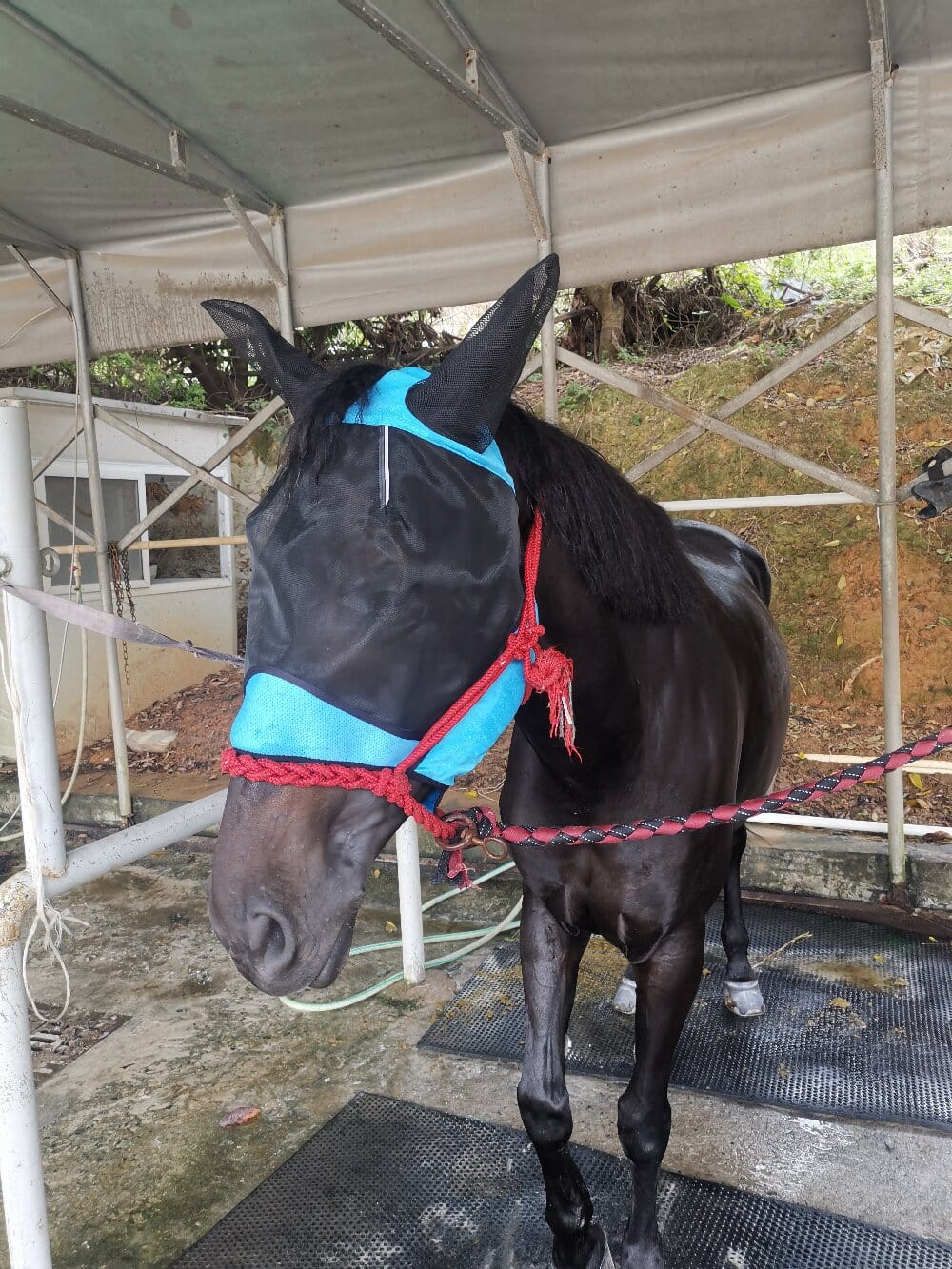
As an equine veterinarian and longtime barn manager, I can tell you that a well-fitted horse fly mask is one of the most cost-effective pieces of protective gear you can invest in for your horse. Every summer, I see preventable cases of eye irritation, conjunctivitis, and stress-related behavior triggered by biting insects. A quality fly mask addresses these problems directly, and the consensus among equine professionals is clear: it belongs in every horse’s seasonal toolkit.
What Equine Professionals Say About Fly Mask Selection
Not all fly masks are created equal, and this is where expert opinion becomes valuable. From my conversations with fellow veterinarians, farriers, and experienced trainers, several consistent themes emerge about choosing the right product.
First, fit matters more than branding. A mask that gaps around the eyes or slips down the nose offers little protection and can rub the skin. Look for adjustable straps, fleece edging, and a shape that follows the contours of your horse’s head without pressing on the eyelashes. Second, breathability is non-negotiable. Mesh fine enough to block tiny gnats but open enough to allow airflow prevents overheating and reduces the risk of bacterial growth under the fabric.
Third, consider the horse’s workload and turnout schedule. Horses living out 24/7 benefit from a full-face design with ear coverage and UV protection, while stabled horses may do fine with a simpler eye-only model. Finally, durability and washability should influence your purchase — a mask that survives repeated laundering and holds its shape will save money over a single season.
Multi-Perspective Benefits of Fly Masks
Veterinarians tend to focus on disease prevention. A fly mask reduces the risk of insect-borne eye infections, helps protect against summer sores, and can ease symptoms in horses with uveitis or photosensitivity. From a welfare standpoint, fewer flies means less stomping, head tossing, and fence-pacing — behaviors that signal stress and can lead to injury.
Trainers and riders often value fly masks for a different reason: focus. A horse that isn’t constantly swatting at its face is a horse that can concentrate on its work. Performance horses, in particular, benefit from the calm that comes with physical comfort.
Owners, meanwhile, appreciate practicality. Modern fly masks are lightweight, easy to fasten, and available in UV-blocking fabrics that also help prevent sun bleaching of the coat and protect sensitive skin. Some designs include nose coverage for horses prone to sunburn or seasonal dermatitis.
Practical Tips from the Field
- Introduce the mask gradually, letting your horse sniff and inspect it before fastening.
- Check fit daily — straps should allow two fingers of space, no more, no less.
- Inspect for wear and tear weekly, especially around seams and eye openings.
- Wash gently every week or two to remove sweat, dust, and hair.
- Provide supervised turnout for the first few wearings until your horse adjusts.
Conclusion
A horse fly mask is a small investment with outsized returns: healthier eyes, calmer behavior, and a more comfortable horse throughout the insect-heavy months. Drawing on veterinary insight, training experience, and day-to-day ownership realities, the message is consistent — choose for fit and breathability, maintain it regularly, and monitor your horse’s response. With the right mask, you can head into fly season confident that your horse is protected, comfortable, and free to focus on what matters.