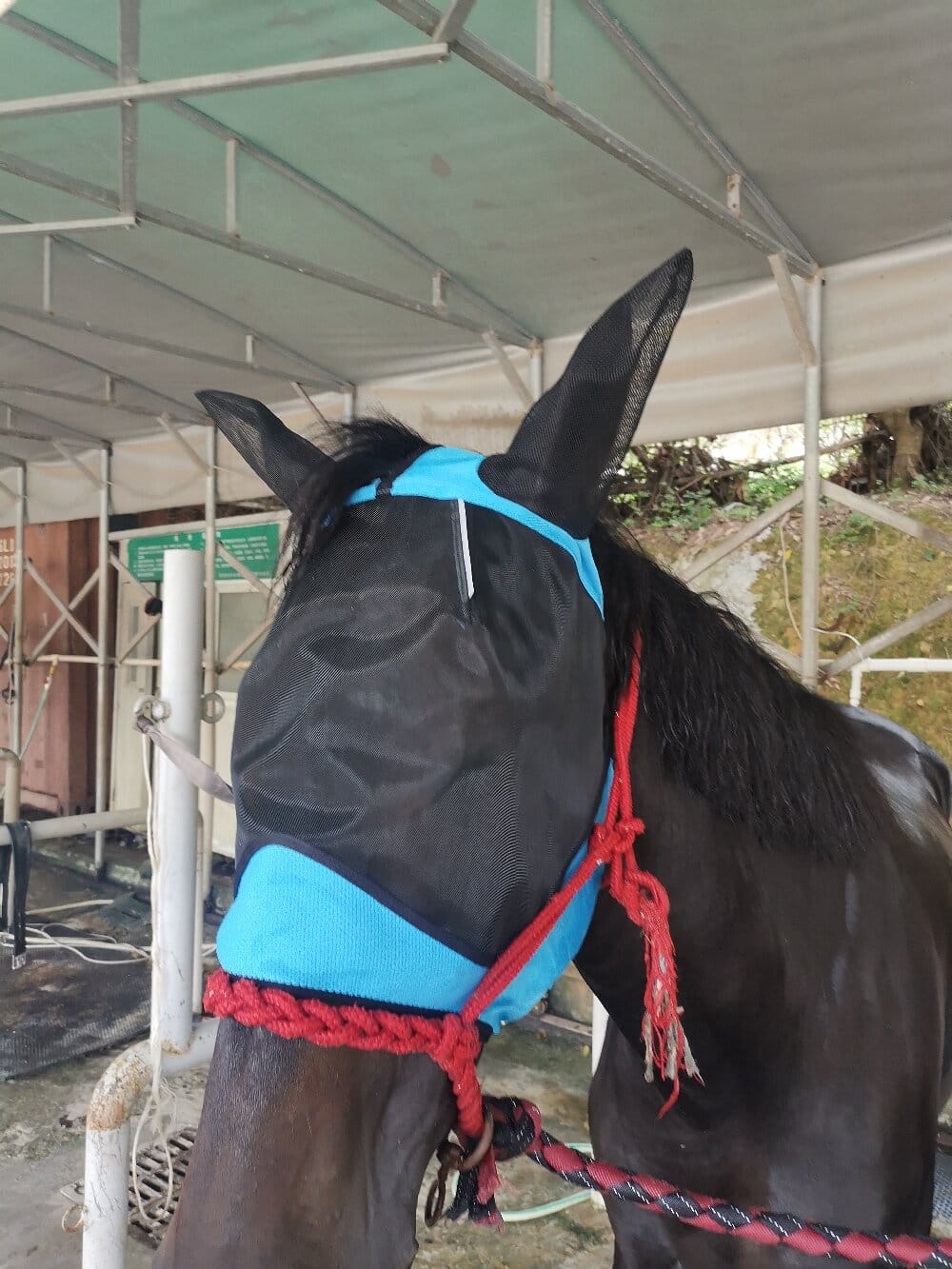

From a technical analysis standpoint, the modern horse fly mask is far more than a simple piece of equine apparel; it is a precisely engineered barrier system designed to mitigate environmental stressors. When evaluating these products, one must look beyond the superficial fabric and consider the biomechanical and optical properties at play. A well-constructed horse fly mask functions as a critical line of defense, utilizing advanced materials to shield sensitive ocular and auricular regions from insects, debris, and harmful UV radiation. This analysis breaks down the specific design elements that determine efficacy, durability, and, ultimately, equine comfort.
The foundational layer of any effective horse fly mask is its mesh. Technical evaluation reveals a distinct correlation between mesh density and protection level. High-denominational polyethylene or nylon meshes are favored for their tensile strength and resistance to tear propagation. The weave pattern must be tight enough to exclude tiny pests like midges (Culicoides), yet sufficiently open to permit adequate airflow and prevent thermal buildup. A subjective assessment of leading models indicates that UV-blocking fabrics, often rated with a UPF (Ultraviolet Protection Factor) of 50+, are now standard, as they prevent sunbleaching of the coat and reduce the risk of photosensitivity reactions.
Ergonomic Fit and Anatomical Considerations in a Horse Fly Mask
The efficacy of a horse fly mask is nullified if the fit creates pressure points or restricts vision. From a design perspective, the ideal mask incorporates a contoured, darted pattern that mimics the equine skull’s topography. Critical technical features include:
- Fleece or Soft Binding: Located at the edges, these prevent abrasion along the jaw and cheekbones, a common failure point in inferior designs.
- Forelock and Ear Accommodation: Properly positioned darts and ear pockets allow for natural ear movement and prevent the mask from sliding down over the eyes.
- Reinforced Stitching: Double-stitched seams at stress points (throat latch and poll) are essential for withstanding pasture wear and self-application by the horse.
- Vision Clearance: The mesh over the eyes must be positioned with sufficient stand-off distance to avoid contact with the cornea, especially during head movement.
Field Performance Metrics and Longevity Analysis
Subjectively speaking, the true test of a horse fly mask occurs in the field, where variables like weather, vegetation, and herd dynamics challenge its construction. Technically, a superior mask balances breathability with structural memory—the ability to retain shape after repeated use. Features such as double-locking hook-and-loop straps or quick-release buckles are non-negotiable for safety; they must yield under stress to prevent entanglement. Additionally, the integration of nose fringes or extended neck coverage requires a nuanced design approach to avoid obstructing the horse’s field of view or interfering with grazing. Regular inspection of the mesh for UV degradation and seam integrity is recommended as a preventive maintenance protocol.
Conclusion: Synthesizing Protection and Comfort
In summary, a technical evaluation of the horse fly mask reveals a product category defined by material precision and ergonomic necessity. The optimal mask is not merely a screen but a sophisticated composite of UV-resistant mesh, pressure-distributing bindings, and safety-conscious fasteners. By prioritizing anatomical fit and material durability, equestrians can ensure their horses receive unobtrusive, reliable protection against flying insects and solar irritants. This analytical approach underscores that investing in a well-engineered horse fly mask is a direct investment in equine welfare and performance.