
Choosing the right fly protection for your horse can feel overwhelming, especially when you compare the many options on the market. A quality horse fly mask is one of the most effective and affordable tools for shielding your horse’s sensitive eyes and face from biting insects. But not all masks are created equal, and a side-by-side comparison reveals important differences in design, materials, and intended use. Whether you are a leisure rider, a competitive equestrian, or a caretaker of a senior horse, understanding these distinctions will help you make a smarter purchase.
The first point of comparison is fabric. Standard mesh masks are lightweight and breathable, making them ideal for summer turnout, but they vary widely in durability. Cheaper versions use coarse mesh that can irritate delicate skin around the eyes, while premium masks use fine, soft mesh that blocks even tiny gnats. From a veterinary perspective, breathability matters most in hot climates, since overheating around the face can cause rubbing and discomfort.
Construction details also separate good masks from great ones. Compare stitching quality, binding around the edges, and fleece padding at the brow and nose. Double-locking fasteners and reinforced seams generally outlast simple hook-and-loop straps. A mask that stays put during rolling and grazing offers better continuous protection than one that shifts or slips off.
Fit and Coverage: Different Perspectives on the Ideal Horse Fly Mask
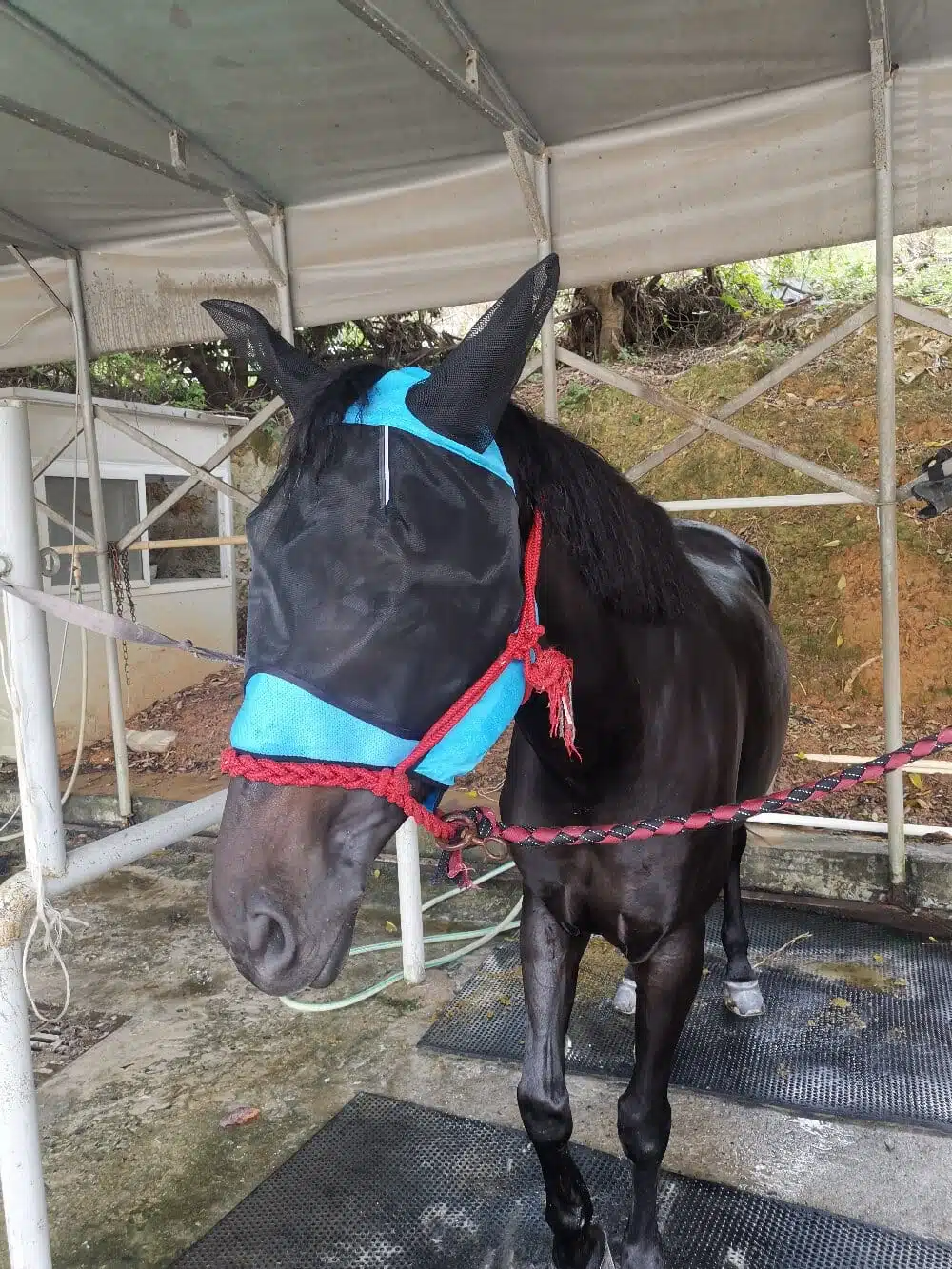
Riders often prioritize visibility and a secure fit, while veterinarians emphasize coverage of the eyes, ears, and muzzle. From the horse’s perspective—observed through behavior—a mask that rubs or restricts vision causes stress and head shaking. Comparing styles helps here: earless masks suit horses that dislike ear covers, while full-coverage designs with nose extensions protect against sunburn and biting midges.
Fit comparison is equally important. Oversized masks slide and expose the eyes; undersized ones press against the face. Adjustable straps and multiple sizes improve the odds of a proper fit. For horses with unusual head shapes, custom or stretchy Lycra blends often outperform rigid designs. Observing your horse for the first few hours of wear is the best test of any fit decision.
Price Versus Performance: A Practical Comparison
Budget masks can be excellent value for short seasonal use, but they may need replacing mid-season. Mid-range options balance cost and longevity, while high-end fly masks for horses offer features like UV-blocking fabric, ear and nose protection, and reflective trim. Comparing cost per season rather than sticker price gives a clearer picture of value. It also helps to consider how often the mask will be washed and whether replacement parts, such as straps, are available.
Specialized Options and Use Cases
Different situations call for different masks. Turnout masks favor durability and full coverage, riding masks prioritize visibility, and stabled horses may need lighter protection. Horses with eye conditions benefit from masks with darkened or UV-blocking eye panels, while those prone to sweet itch need fine mesh that stops midges. Comparing these specialized features against your horse’s routine prevents overbuying and ensures genuine protection.
Conclusion
A comparative approach to buying a horse fly mask highlights that material, fit, price, and specialization all matter. Prioritize soft, breathable mesh, secure fasteners, and correct sizing, then match features to your horse’s lifestyle. By weighing these factors thoughtfully, you can choose a mask that keeps your horse comfortable, protected, and stress-free throughout fly season.