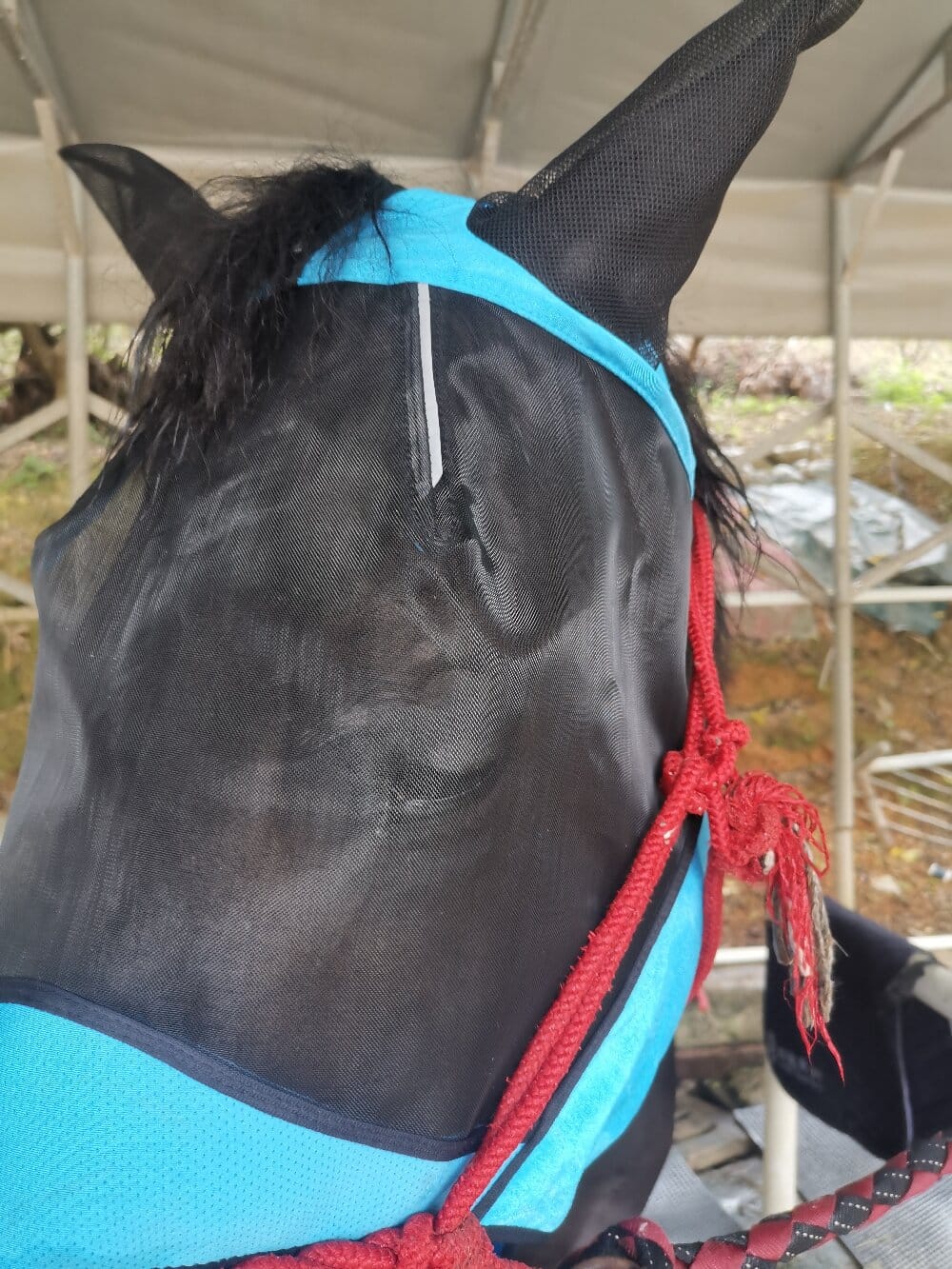
The story of the horse fly mask begins long before modern synthetic fabrics, rooted in the practical need to shield working animals from biting insects. For centuries, horsemen in Europe, North Africa, and parts of Asia observed that flies—particularly the stable fly and the horn fly—caused irritation, restlessness, and reduced performance in horses. Early protections were crude: cloth veils, leather fringes, and woven grass coverings draped over the face. These rudimentary devices were less about comfort and more about preserving the utility of valuable animals during plowing, transport, and warfare. Historical records from the 18th and 19th centuries describe netted face covers used in cavalry stables, where preventing eye infections and head tossing was essential for discipline and readiness.
From Utility to Refinement: The Evolution of the Horse Fly Mask
The late 19th and early 20th centuries brought gradual refinement. With the expansion of veterinary knowledge, horsemen began to understand that fly bites could transmit diseases and cause conjunctivitis, a fact that elevated the fly mask from a simple nuisance barrier to a genuine health tool. Early commercial versions used cotton mesh and leather straps, often handmade by saddlers. By the mid-20th century, lightweight nylon and plastic mesh emerged, offering better visibility and durability. The design slowly standardized around key features still recognized today: ear coverage, eye clearance, and adjustable fastenings.
Materials, Design, and the Modern Horse Fly Mask
The late 20th century marked a turning point as synthetic textiles and manufacturing advances transformed the horse fly mask into a specialized equine product. Manufacturers introduced breathable mesh that blocked insects while allowing airflow, UV-resistant fabrics for summer turnout, and fleece-lined edges to prevent rubbing. Design variations multiplied: masks with removable nose covers, masks with ear protection, and full-face models for severe conditions. The rise of equestrian sports and leisure riding in the 1980s and 1990s drove demand for aesthetically varied options, from neutral colors to bright patterns, while veterinary research reinforced the importance of fly control in preventing summer eczema and eye irritation.
Contemporary Use and Scientific Perspective
Today, the horse fly mask is a common piece of equine equipment, used in stables, pastures, and during transport. Scientific studies on insect bite hypersensitivity have supported its role in reducing exposure to Culicoides midges and face flies, though effectiveness depends on fit and mesh quality. Modern buyers consider factors such as:
- Mesh density and breathability
- UV protection ratings
- Ear and eye clearance
- Strap security and comfort
Historical review shows a consistent theme: the mask evolved from a simple physical barrier into a product shaped by material science, veterinary insight, and practical horsemanship. What began as a cloth veil is now a refined tool for equine welfare.
Conclusion
From hand-stitched netting in cavalry stables to UV-blocking synthetic mesh, the horse fly mask reflects centuries of adaptation to a persistent problem. Its history demonstrates how practical needs, emerging science, and manufacturing innovation converge to improve animal care. Understanding this evolution helps riders and caretakers appreciate not only the product itself but the long tradition of equine protection it represents.